2600
Atari 2600 · 1977–1992
The console that built the home market — and then nearly destroyed it. The Atari 2600 ran from 1977 to 1992, the longest lifespan of any console of its era, and its sprawling library (over 500 licensed releases plus a vast unlicensed shadow catalogue) is collected by label era rather than by year: the early text labels, the picture labels, the silver-label revisions. The 2600's grails are a study in obscurity — late, tiny-print third-party releases like the legendary blue-box rarities, and a deep underworld of prototypes and unreleased games that surfaced after the 1983 crash. It is the foundational platform of the entire hobby, and the one where rarity is measured on a documented R1–R10 scarcity scale.
Three titles to know
The cultural and market anchors. If you take three things from this room, take these.
The fabled blue-box grail. A tiny-print release by an obscure publisher, notable for its T-handle cartridge and a blue box almost none of which survive — only a single boxed example is widely documented. The 2600's white whale and a fixture of 'rarest games' lists.
Activision's defining hit and one of the best-selling 2600 games — the canonical anchor of the platform's most collectible publisher. Activision's distinctive label design and high-score patch programme make its catalogue a collecting pursuit of its own.
The game blamed for the crash — rushed, overproduced, and famously buried in a New Mexico landfill. Abundant loose because of that overproduction, but a high-grade sealed copy is a piece of the industry's most infamous story.
10 anchor titles
The most-searched, most-collected releases on this platform.
First-print indicators
The grammar collectors use to authenticate and date copies of this platform.
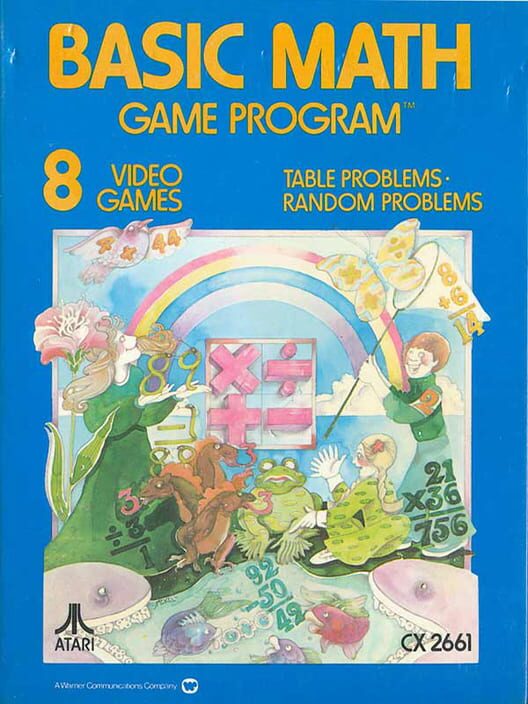
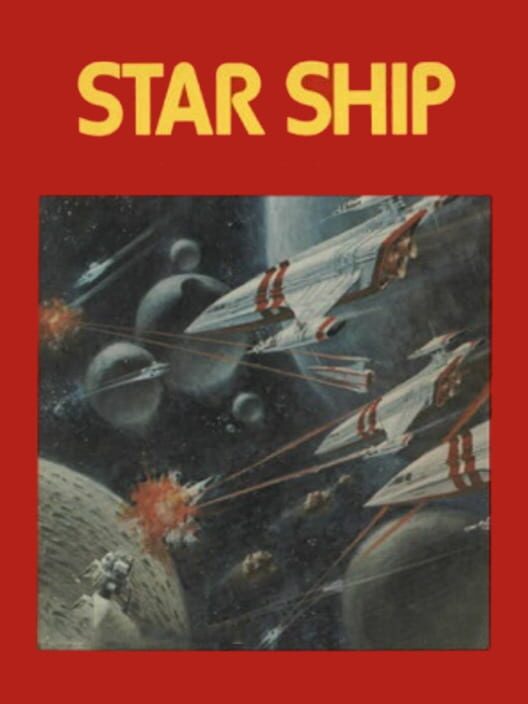
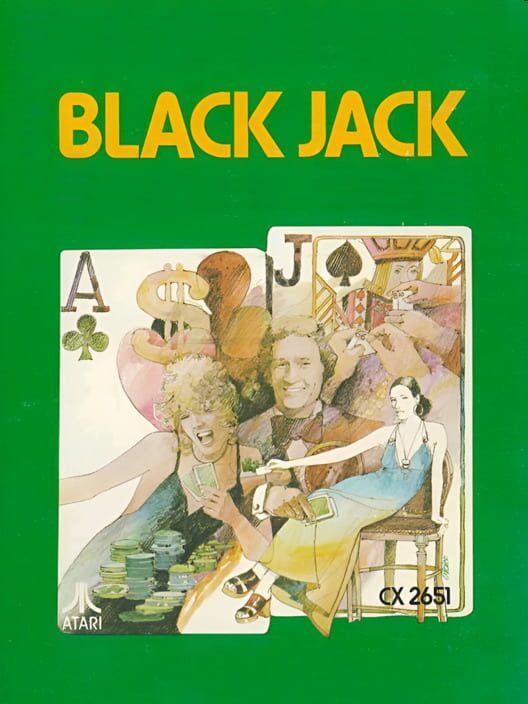
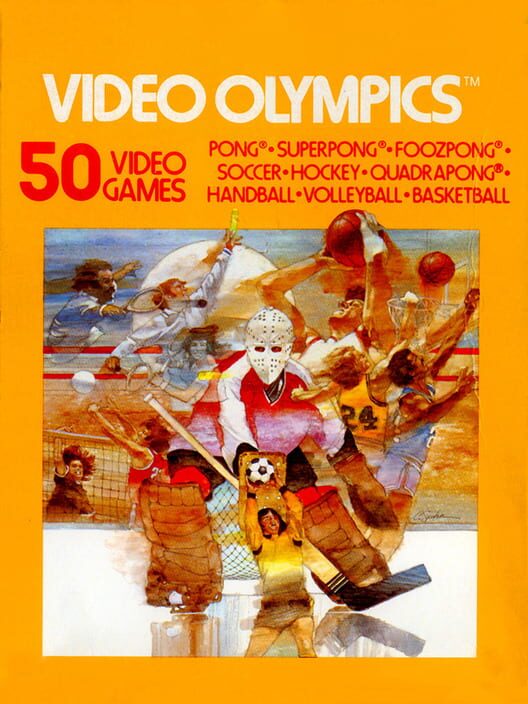
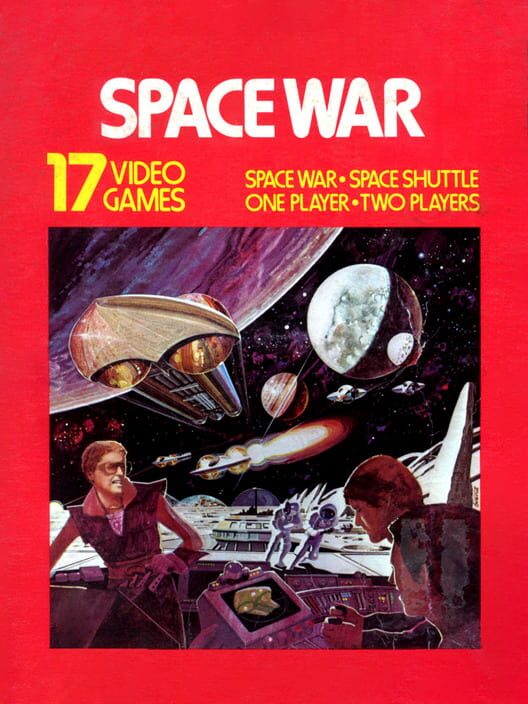
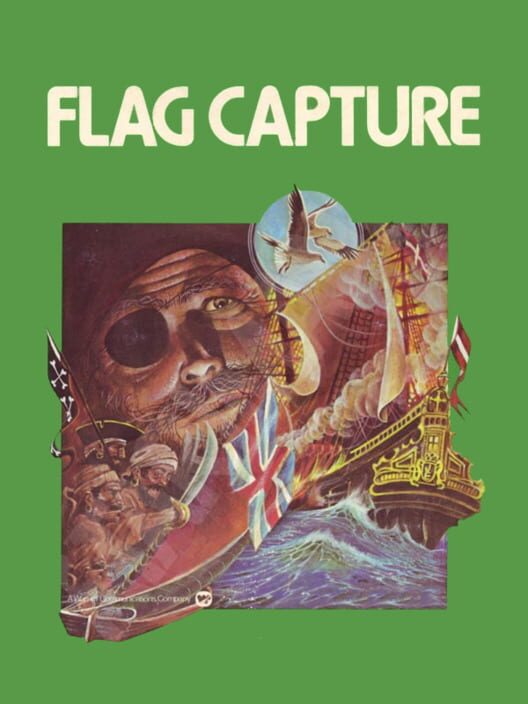
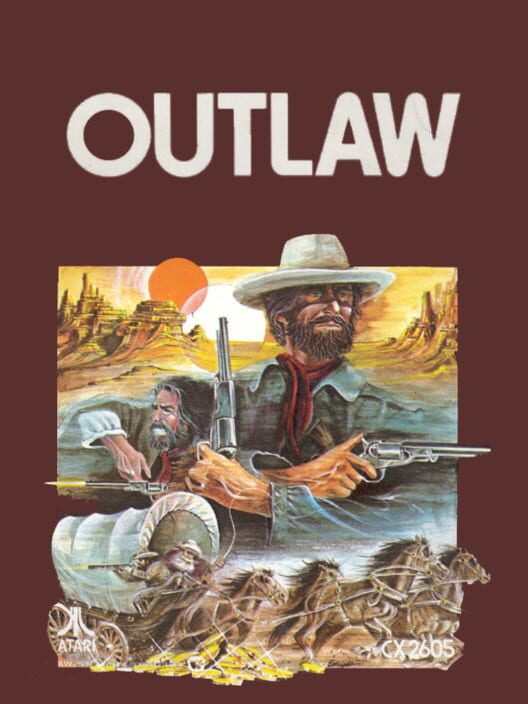
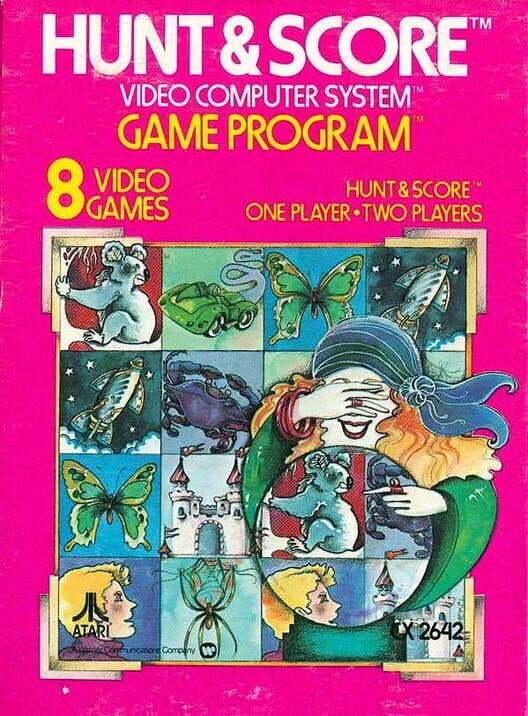
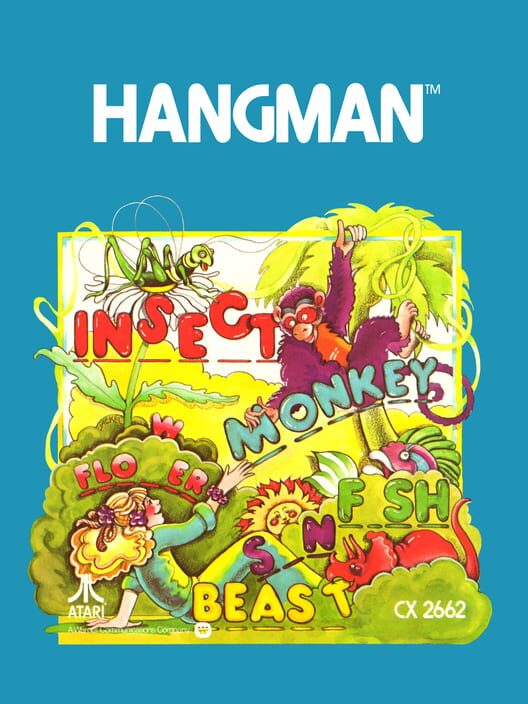
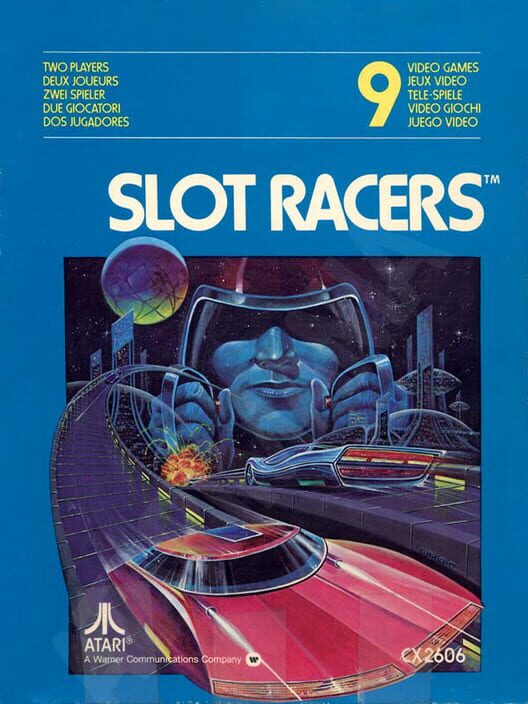
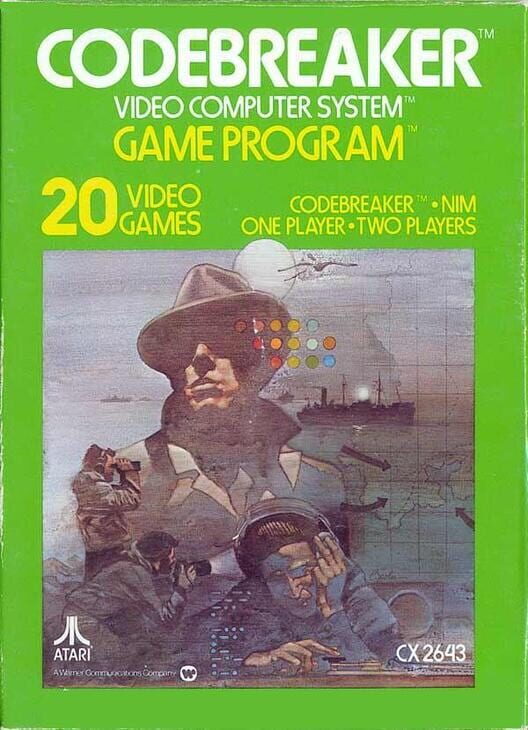
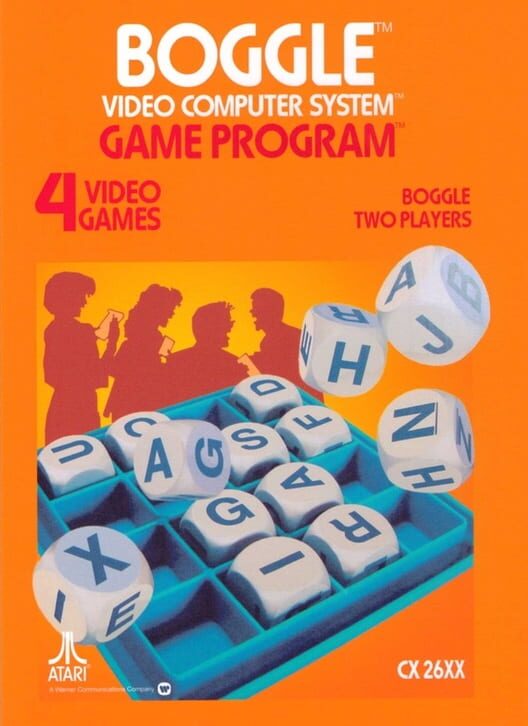
Atari cartridges are dated by label design: the early text labels (1977–1980), the picture labels (1980–1982), and the silver-label revisions. Label era is the primary axis for placing and valuing a 2600 cartridge.
The hobby uses a documented R1 (common) to R10 (unobtainable) rarity scale for 2600 cartridges, refined over decades by collectors. Provenance and the scale, not cultural fame, set most 2600 values.
Third-party publishers (Activision, Imagic, M-Network) each used distinct, collectible label systems. Activision's catalogue in particular is collected as a self-contained set.
A large body of prototypes and never-released games surfaced after the 1983 crash. These EPROM and one-off cartridges are a deep, authentication-heavy corner of the market, distinct from retail releases.
Boxes and manuals from the 1977–1983 era are fragile and frequently lost; complete examples with period-correct box, manual and inserts command a steep premium over the abundant loose cartridges.
100 titles indexed