Dreamcast
Sega Dreamcast · 1998–2002
Sega's final console — ahead of its time, online before its rivals, and gone within three years as the PlayStation 2 hype swallowed the market. That short life is the heart of its collecting story: the platform packs an extraordinary density of beloved games into a small library, and its late-2001 releases printed in tiny numbers as Sega exited hardware. The Dreamcast also has one of the most devoted collector bases in the hobby — fans kept the platform alive with imports and homebrew long after Sega left — which sustains demand for sealed and complete copies of a library most people never owned. The result is a market where cult reverence, not mass sales, sets the prices.

Three titles to know
The cultural and market anchors. If you take three things from this room, take these.
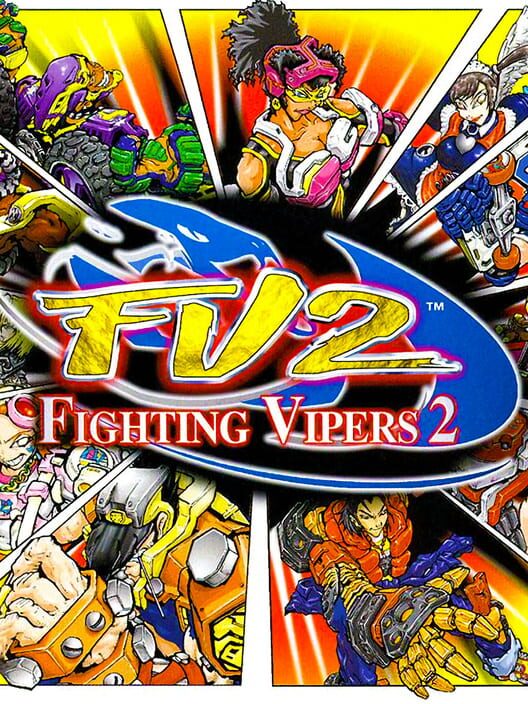
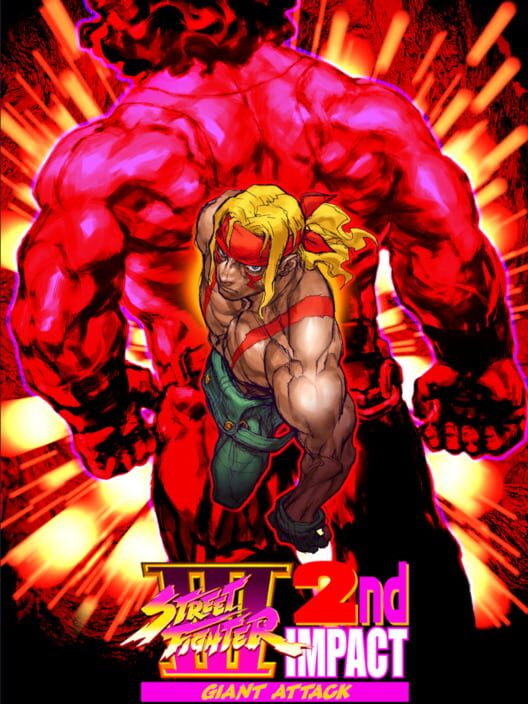
The fighting-game community's enduring favourite, and a low-print Dreamcast object that became genuinely scarce as the platform died and the FGC kept demand high for two decades. One of the most expensive standard Dreamcast games sealed.
The platform's beloved flagship RPG — an airship-borne JRPG that has become a cult grail. Scarce complete and pricey even loose, it's the RPG anchor of a library collectors revere out of proportion to its sales.
Cancelled for the West, released only in PAL and NTSC-J as the platform expired. A late, small-run release for a landmark series, the PAL Shenmue II is the kind of late-life, region-locked scarcity the Dreamcast specialises in.
10 anchor titles
The most-searched, most-collected releases on this platform.
First-print indicators
The grammar collectors use to authenticate and date copies of this platform.
The Dreamcast used the proprietary GD-ROM format. Disc hub mastering and pressing codes distinguish early pressings from later repressings within a release.
Best-sellers were reissued under the 'Sega All Stars' budget line with distinct packaging. The All Stars label marks a reprint; the original release is the first-print form.
The platform's final releases printed in the smallest numbers as Sega exited hardware. Catalogue position late in 2001 is one of the strongest drivers of Dreamcast scarcity.
Several landmark titles (Shenmue II) released only in PAL or NTSC-J after the US line was cut. Region of release materially affects which version is the scarce one for a given title.
The Dreamcast produced a large body of demo and promotional discs (the Generator series, kiosk discs) — collectible in their own right and not to be confused with retail first prints.
100 titles indexed