Genesis
Sega Genesis / Mega Drive · 1988–1997
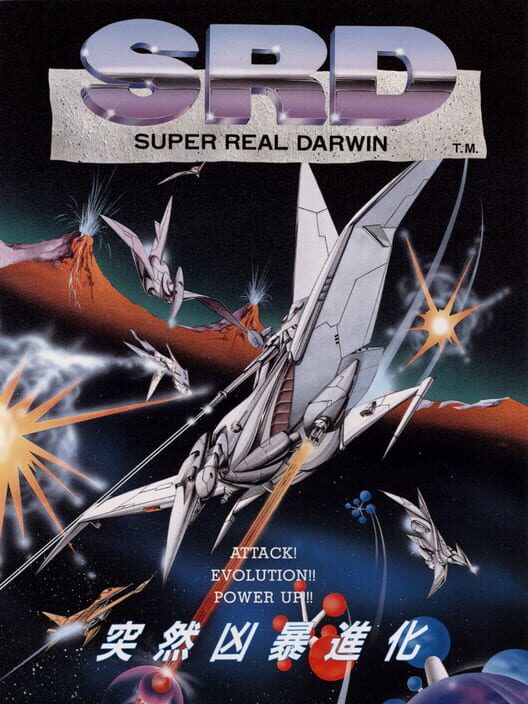
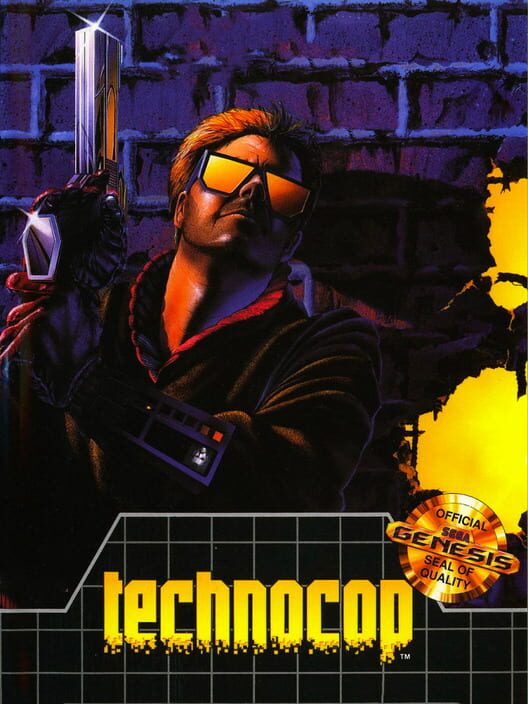
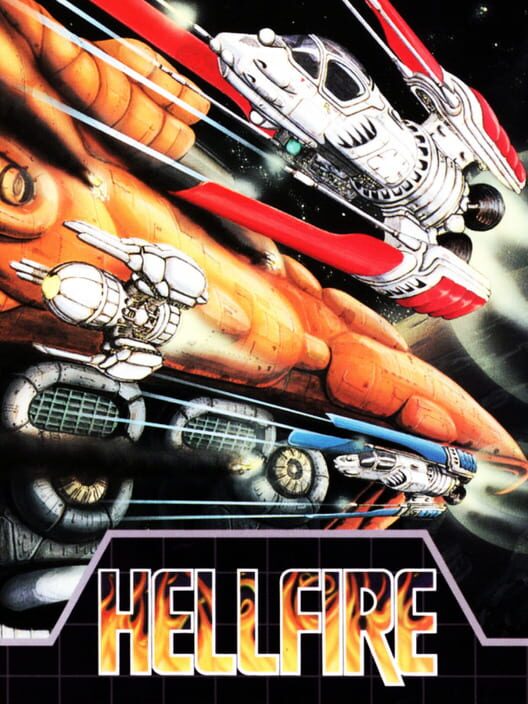
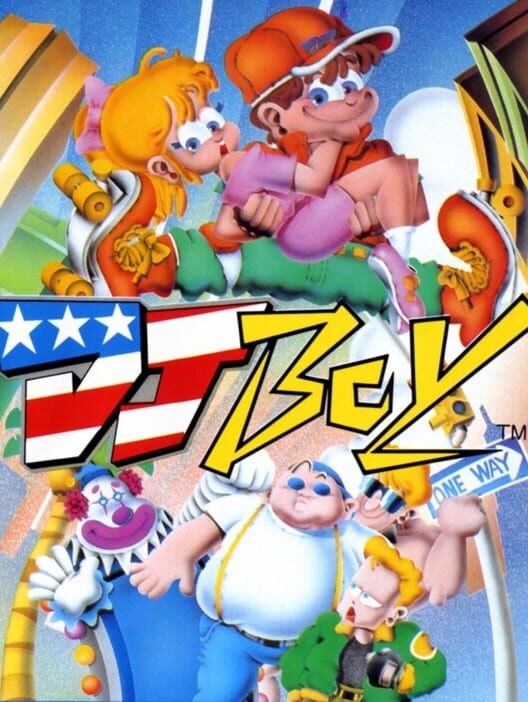
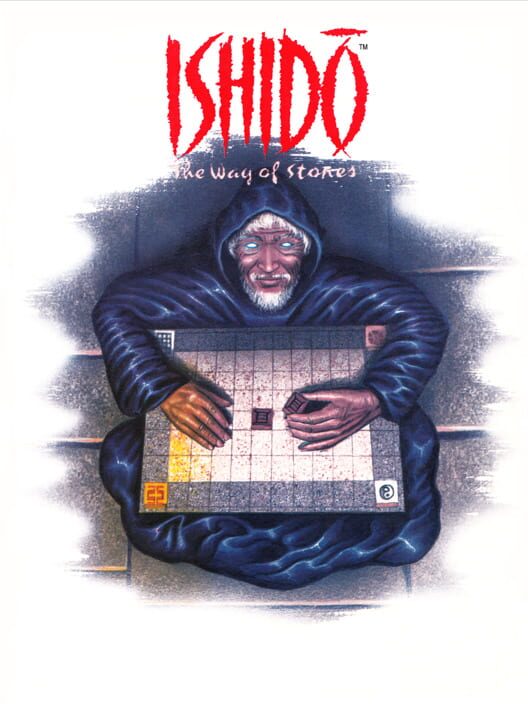
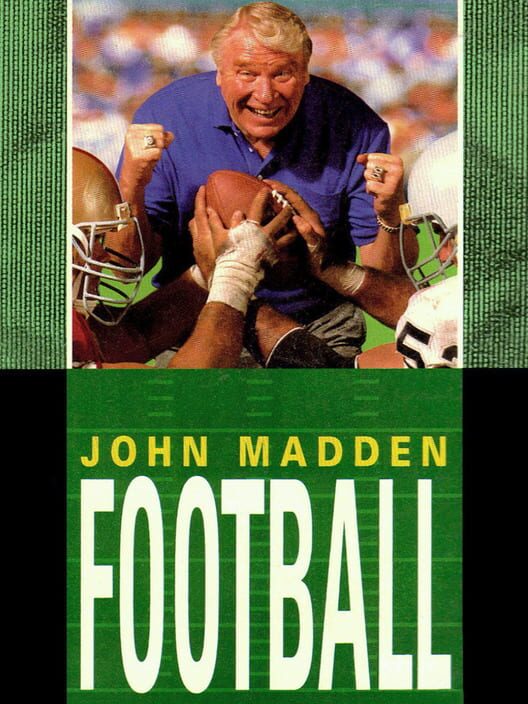
Sega's 16-bit — the console that took 'blast processing' and an aggressive marketing war straight at Nintendo and, for a window in the early 1990s, won the US console race. Around 900 titles spanned the platform's life, with a distinct NTSC-J Mega Drive library beneath it. The sealed market is anchored by early-production first prints — above all Sonic the Hedgehog, the pack-in that defined the platform — and by the cardboard-box launch era before the move to the later plastic clamshell. Beneath the famous titles sits a deep vein of arcade ports, run-and-guns and the platform's renowned sports and Treasure-developed action libraries.

Three titles to know
The cultural and market anchors. If you take three things from this room, take these.
The pack-in that made the platform and the most valuable sealed Genesis object by a wide margin. The earliest production — 'Made in Japan', early box revision — is the high tier, and a single copy set the Sega sealed record.
Sega kept the blood — accessible via the ABACABB code — while Nintendo censored the SNES port, and the market prices the difference: a sealed Genesis Mortal Kombat trades at roughly double its censored SNES twin. The console-war controversy that created the ESRB, in one cartridge.
The peak of the platform's flagship RPG series and a late, lower-print release. Pricey even loose and genuinely scarce sealed — the connoisseur's Genesis RPG and a quiet four-figure grail in high grade.
10 anchor titles
The most-searched, most-collected releases on this platform.
First-print indicators
The grammar collectors use to authenticate and date copies of this platform.
The earliest US cartridges and boxes carry 'Made in Japan' markings; later runs shifted to other production locations. On launch-window titles like Sonic, the Made-in-Japan early-production stamp is the single most important first-print tell.
Early Genesis titles shipped in cardboard boxes; the platform later moved to the plastic clamshell case. Cardboard-box copies of early titles are the first-print form; clamshell reissues are later.
Packaging and trademark lines track the Model 1 (1989) and Model 2 (1993) hardware revisions. Trademark-notice and logo variants on the box help place a copy in the early or late half of the platform's life.
The 'Official Sega Seal of Quality' and the trademark/registered marks on the box were revised over time. Period-correct seals authenticate an early first print against a later reprint.
Sonic and later Sonic 2 shipped as hardware pack-ins; standalone retail copies are distinct from the bundled 'Not for Resale' versions. Standalone first-print boxed copies are the collectible form.
Reading on this platform
Hangtabd editorial threads that cover or anchor on this console.
Loose is the player's tier — bare cartridge or disc, deepest supply, lowest prices. But it has its own literacy: label revisions, board variants, and the authenticity questions that bare media raises.
PriceCharting is the hobby's most-used price aggregate — a fast reference for loose, CIB, and new prices across platforms. Reading it well means knowing what it captures, and what it flattens.
London is one of the deepest global markets for sealed and CIB vintage video games — but the depth lives outside the obvious channels. A working playbook for the serious sourcing trip.
100 titles indexed