N64
Nintendo 64 · 1996–2002
Nintendo's 3D pioneer and the last great cartridge console. The library is comparatively small — roughly 300 NTSC-U titles — but it is defined by extremes: it is the platform of Super Mario 64, the first video game ever to break a million dollars at auction, and of a handful of sub-100-copy commercial rarities. Cartridge ROM costs kept print runs disciplined, so late and niche releases are structurally scarce; and the platform's special-edition cart colours (gold, the translucent 'Funtastic' series) add a layer of variant collecting on top of the standard grey. The N64 sealed market is top-heavy: a few titles carry almost all the value.

Three titles to know
The cultural and market anchors. If you take three things from this room, take these.
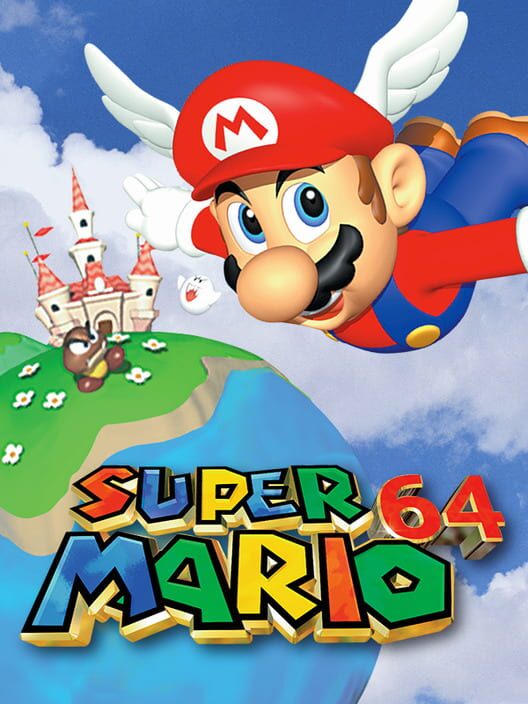
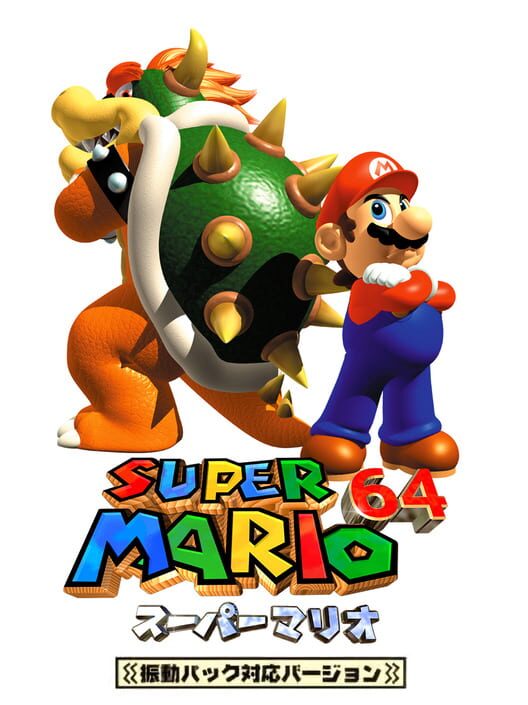
The most valuable video game ever sold at public auction. A single WATA 9.8 A++ sealed copy — the only example at that grade, effectively the highest feasible — became the first game to cross a million dollars. The launch title that defined 3D platforming and remains the platform's apex object.
Rare's crude, brilliant late-life swan song — released in 2001 into a market that had already moved to the GameCube and PS2, with a small print run and a mature-rated subject Nintendo barely promoted. One of the most valuable standard N64 carts sealed, scarcity made by timing.
The rarest commercial N64 release. A Blockbuster-exclusive rental update to ClayFighter 63⅓, produced in a tiny run; surviving copies number in the low double digits, and complete examples almost never surface. The platform's white whale.
10 anchor titles
The most-searched, most-collected releases on this platform.
First-print indicators
The grammar collectors use to authenticate and date copies of this platform.
Beyond standard grey, select titles shipped on coloured carts — the gold Zelda: Ocarina of Time and Majora's Mask Collector's variants, and the translucent 'Funtastic' colours late in the platform's life. Cart colour is a documented variant axis for several anchor titles.
Early N64 boxes carry the 'K-A' (Kids to Adults) rating, replaced by 'E' (Everyone) in 1998. A K-A box on a launch-window title marks an early print; an E rating on the same title is a later run.
Best-sellers — Super Mario 64, GoldenEye, Mario Kart 64 — were reissued under Player's Choice with a distinct box and label. The banner disqualifies a first print; its absence on a 1996–1998 release is a clean indicator.
Several scarce N64 objects originate from Blockbuster rental exclusives (Sculptor's Cut) or other rental channels. Rental-circuit copies carry distinct labelling and provenance that materially affects value.
Box trademark lines and production stamps track the platform's 1996–2002 life. Late-production markers on a launch title indicate a reprint rather than a first print.
Reading on this platform
Hangtabd editorial threads that cover or anchor on this console.
CIB is the collector's tier — the whole artifact, displayable, seal broken. Its value turns on a strict definition of 'complete' and on the condition of the box and paper.
Grading is a bet, not a default. It can multiply the value of a strong sealed copy or waste money and time on a copy that won't grade high enough — and it permanently changes the object. The decision is a calculation.
Collectible game prices move in cycles driven by nostalgia, generational buying power, and broader capital flows. Reading the cycle — and distinguishing a durable trend from a bubble — is the collector's long-game discipline.
The show circuit is where collecting happens face to face — in-person inspection, negotiation, discovery, and the dealer relationships that pay off long after the show ends. It's the channel that teaches fastest.
100 titles indexed