PC Big-Box
PC Big-Box · 1990–2007
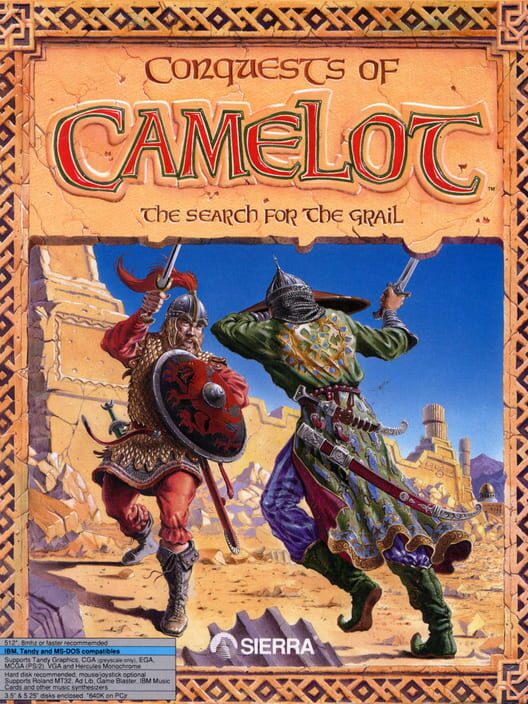
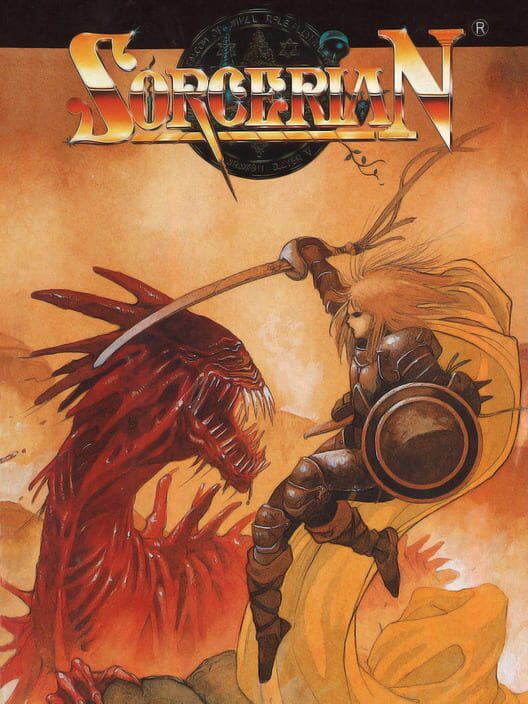
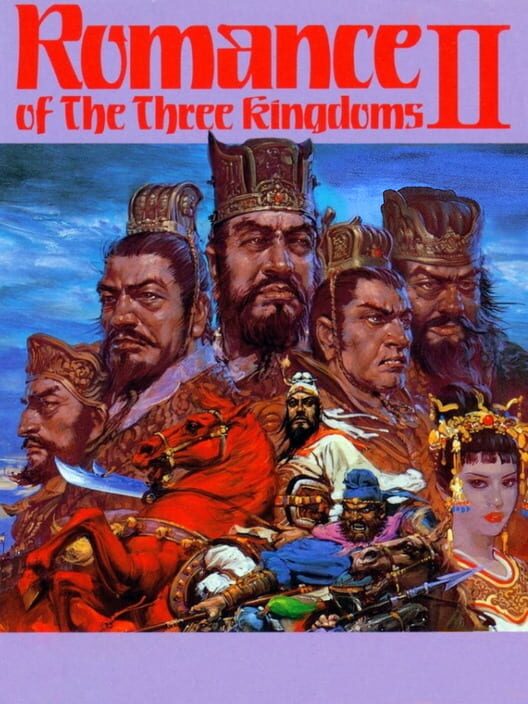
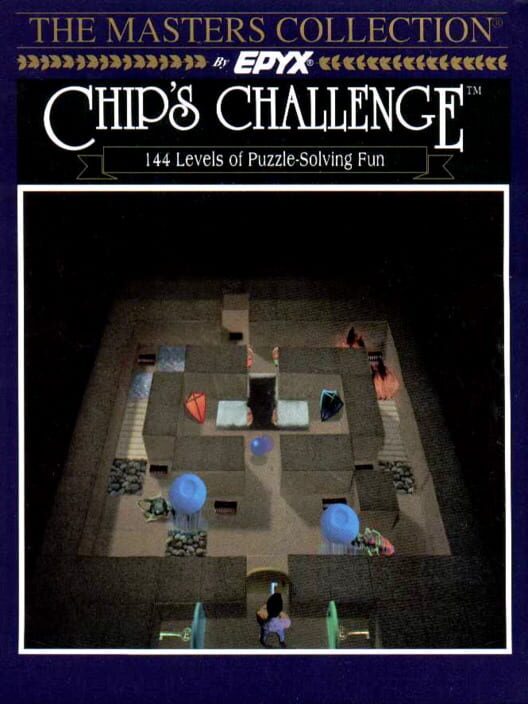
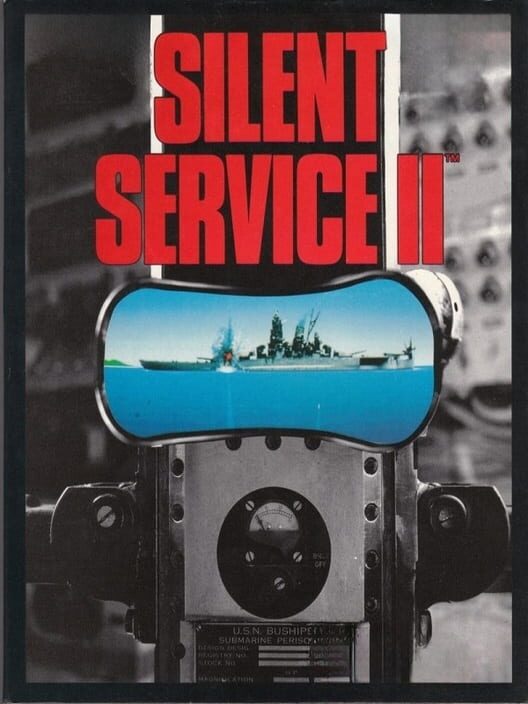
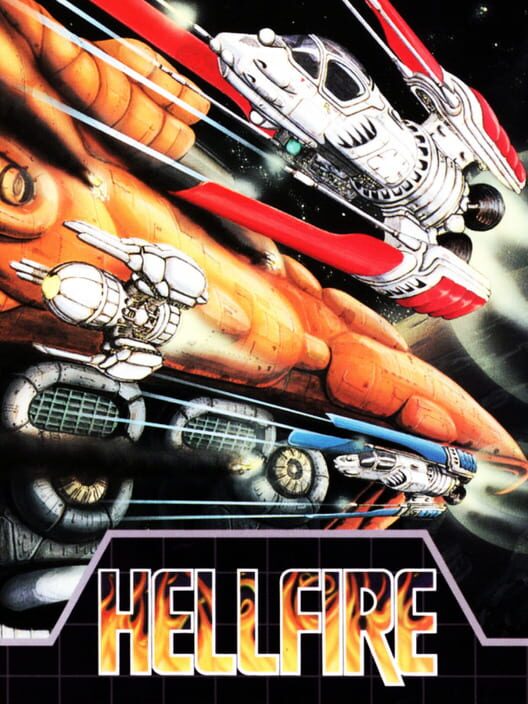
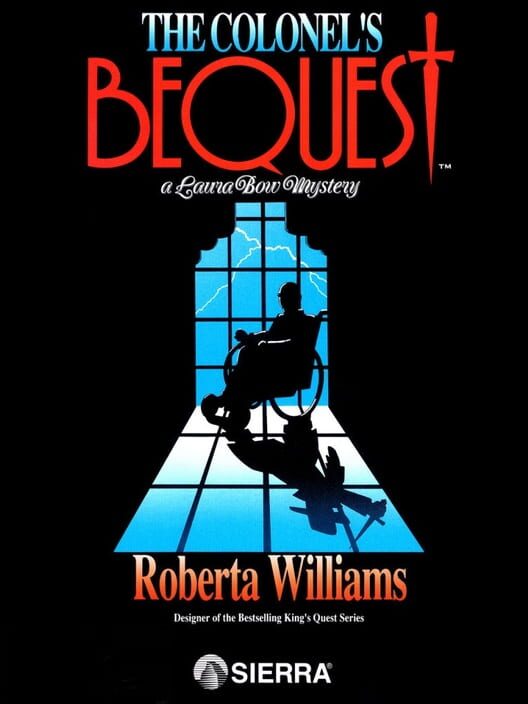
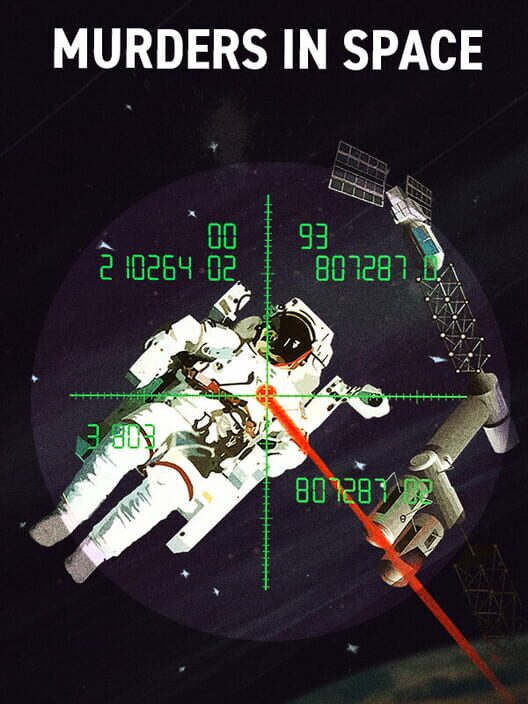
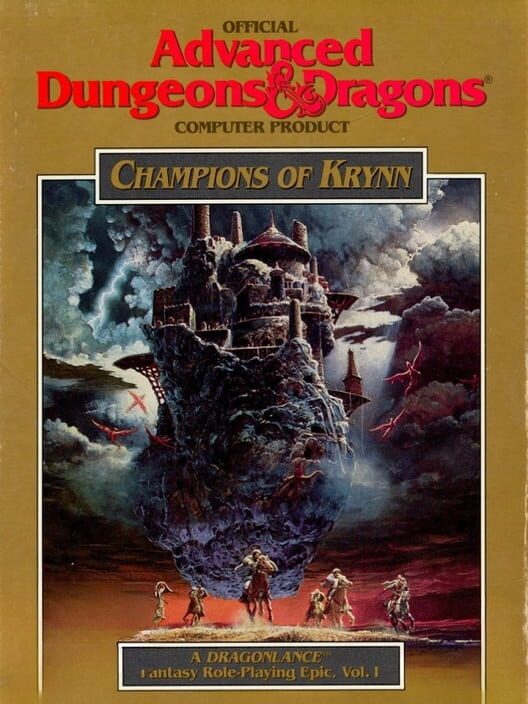
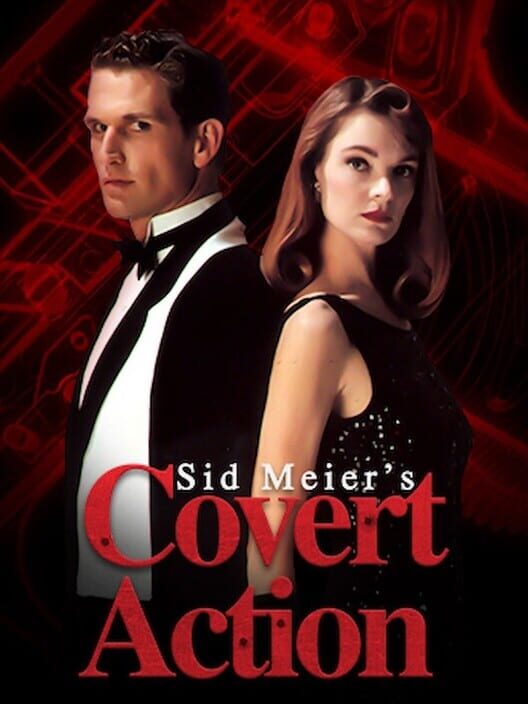
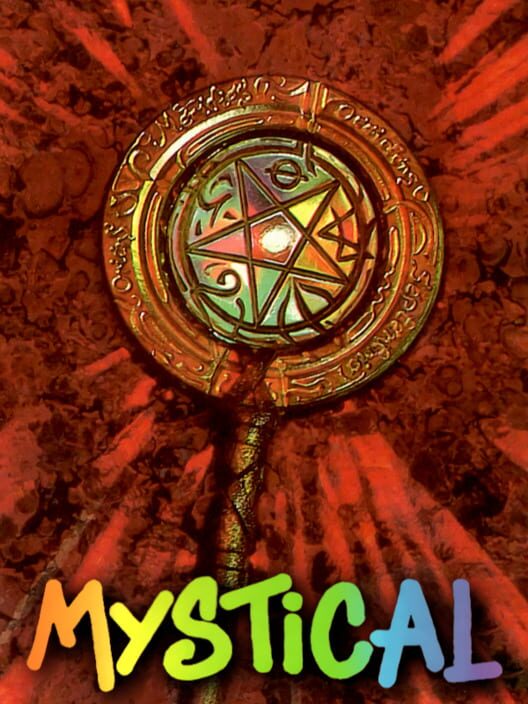
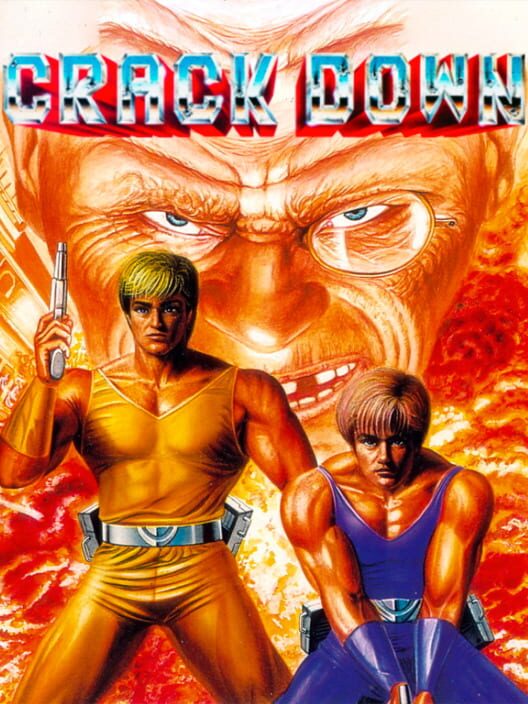
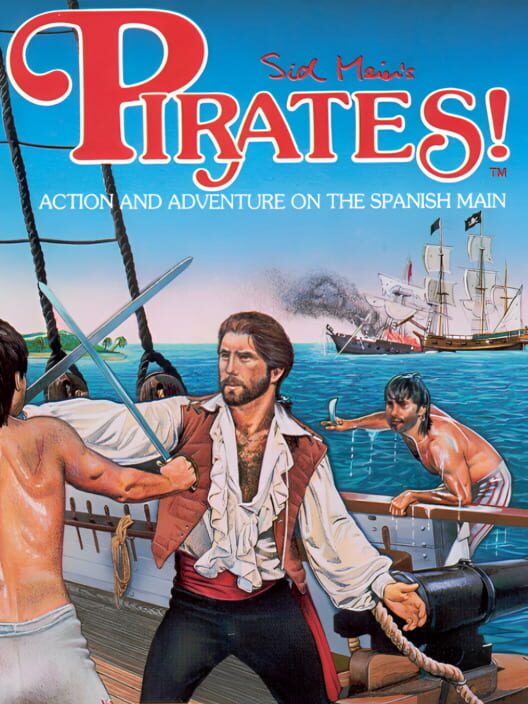
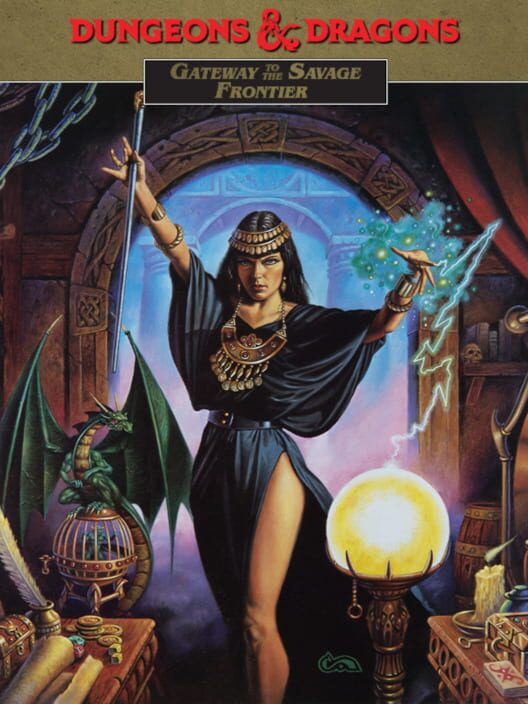
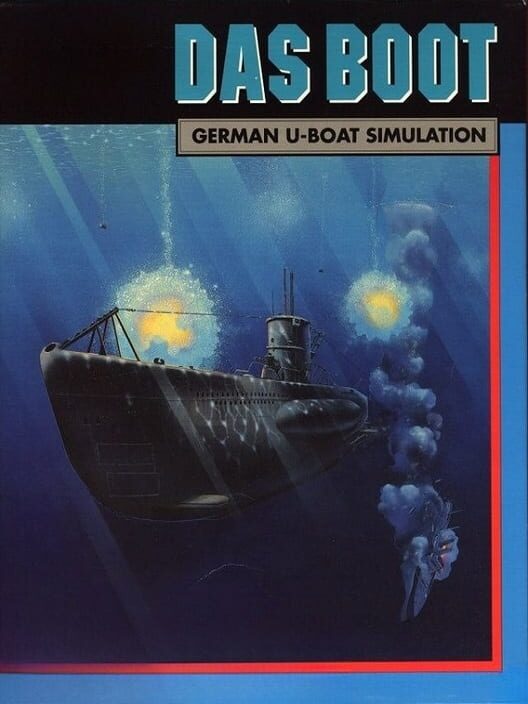
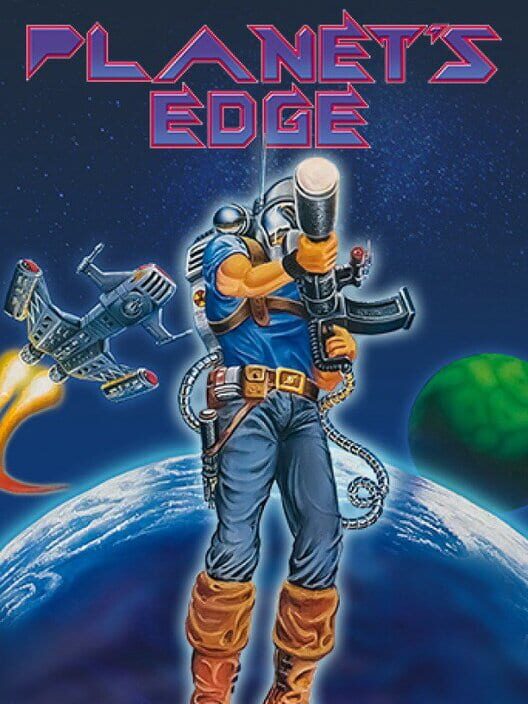
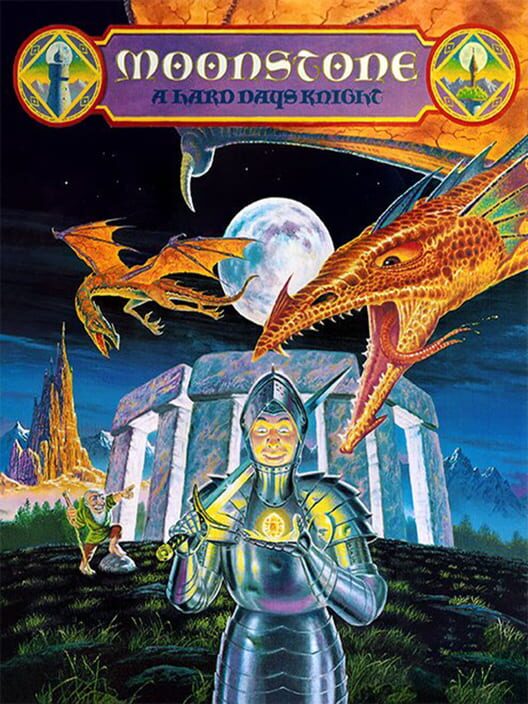
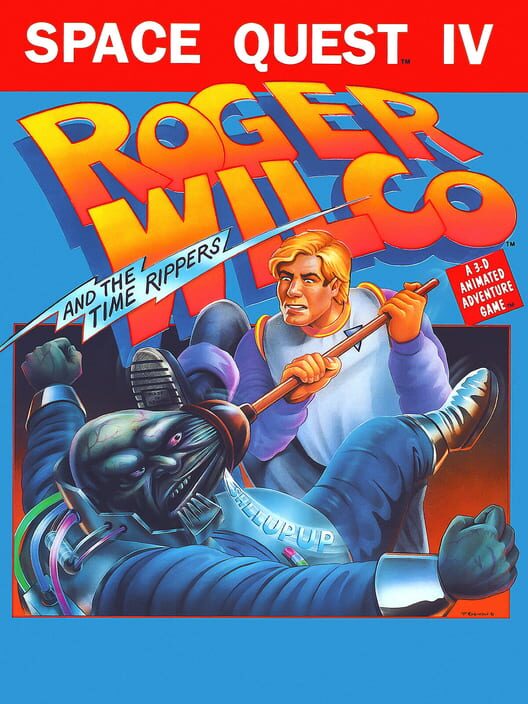
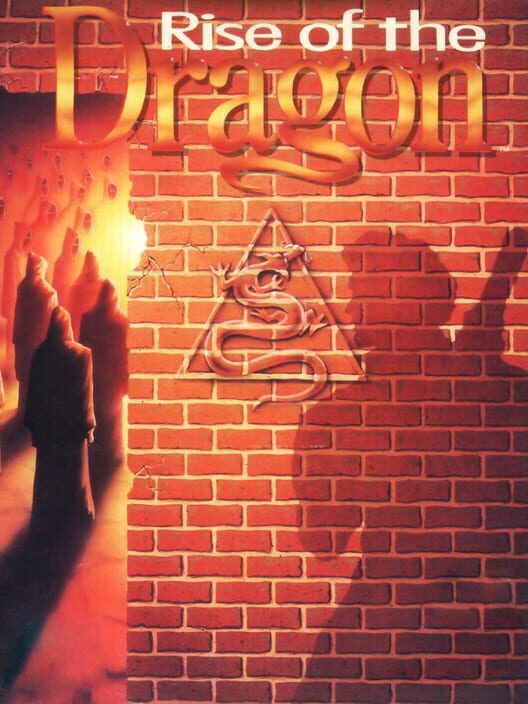
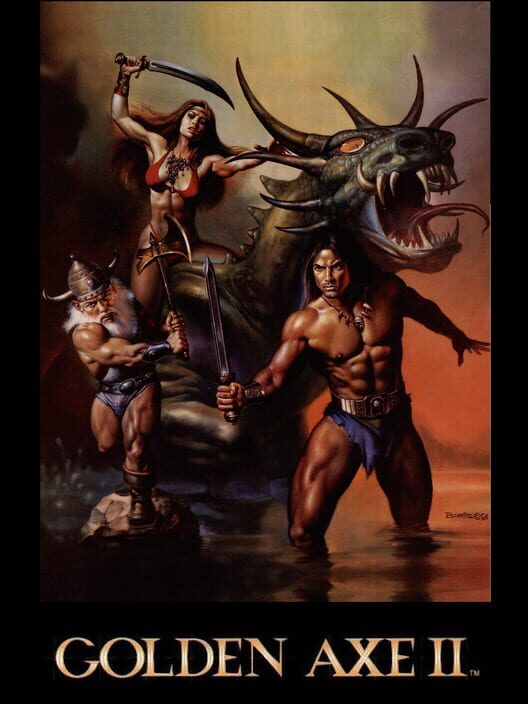
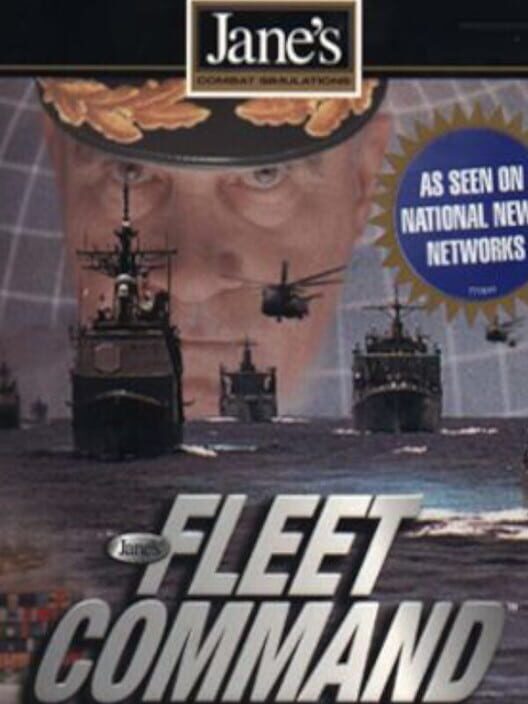
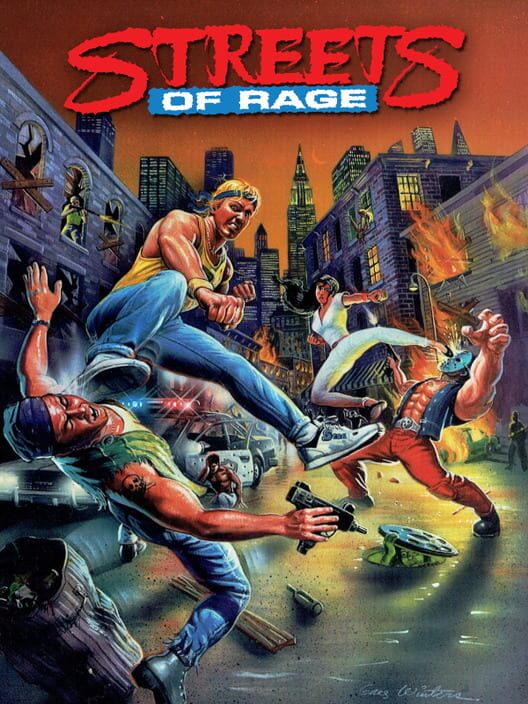
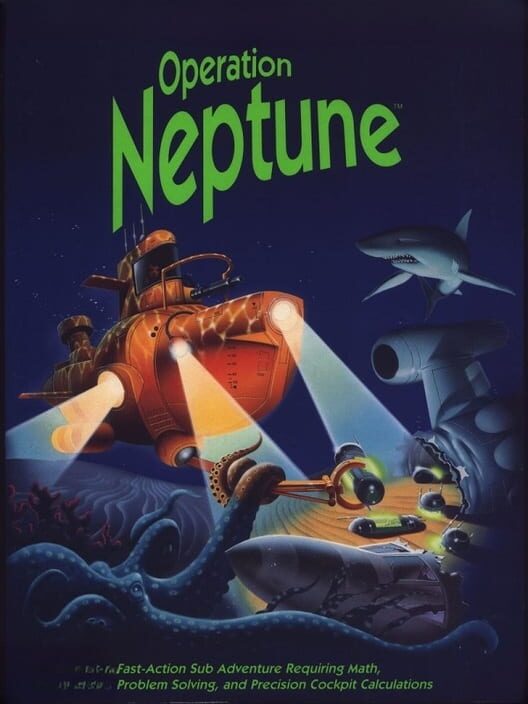
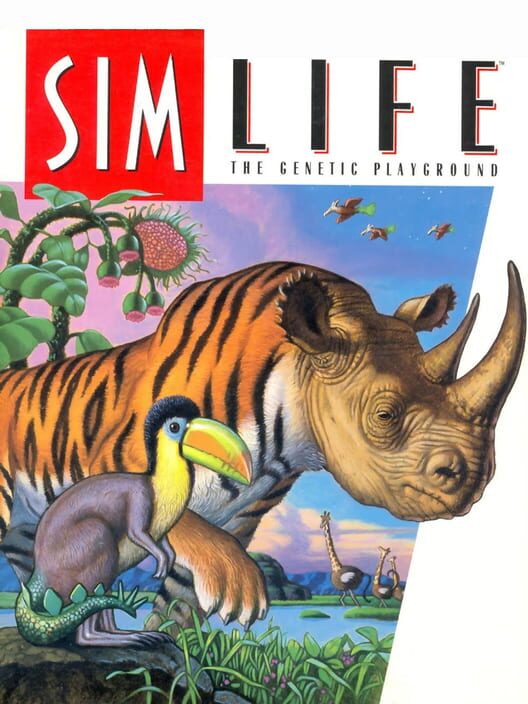
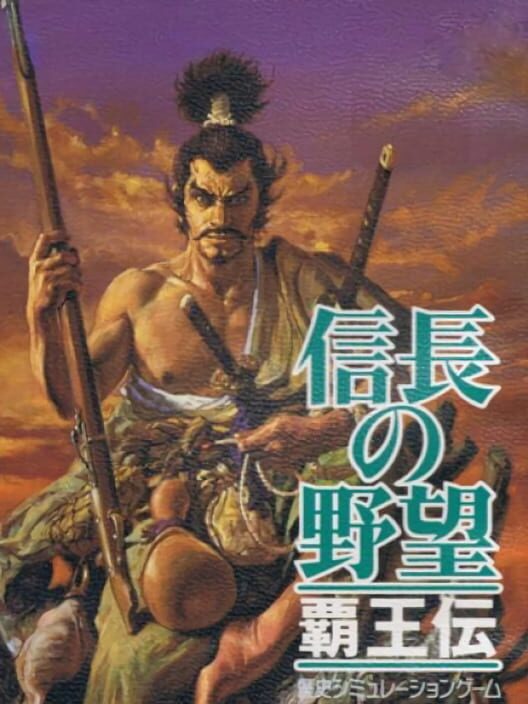
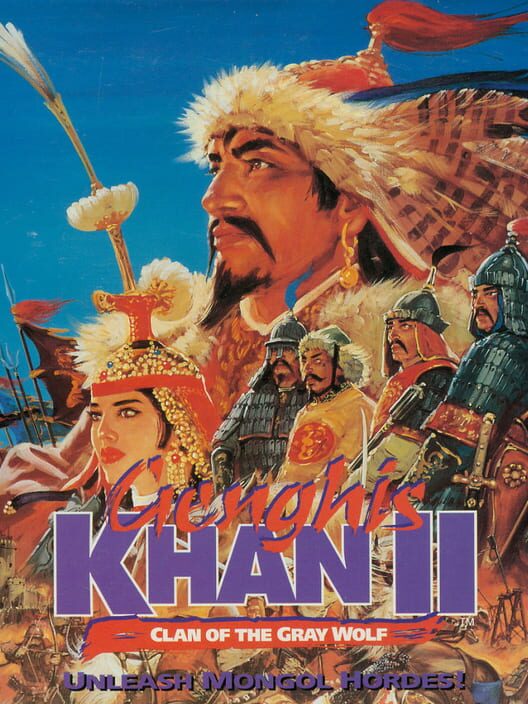
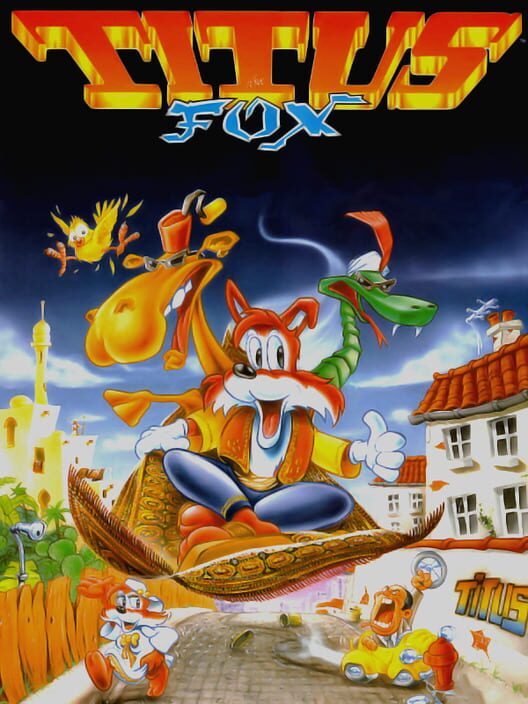
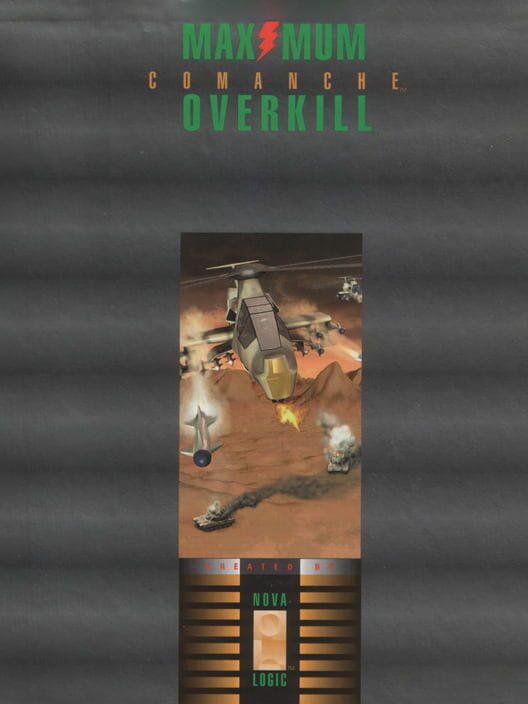
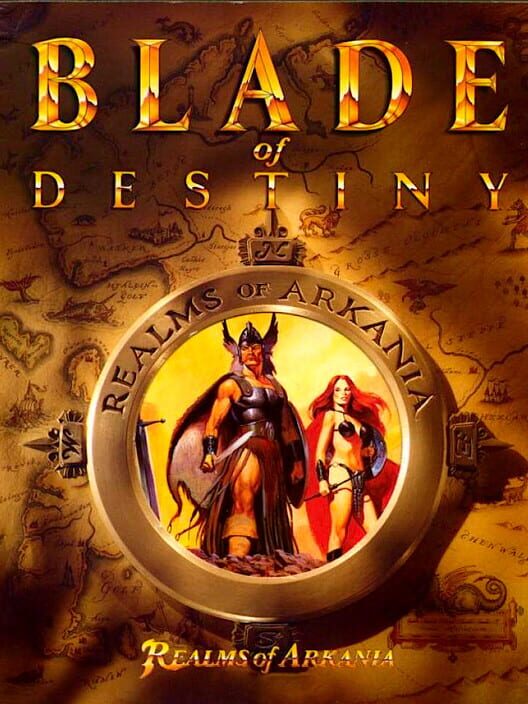
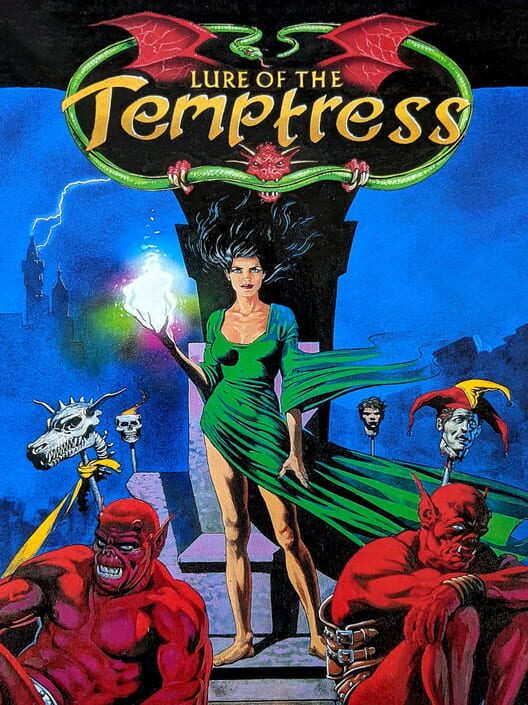
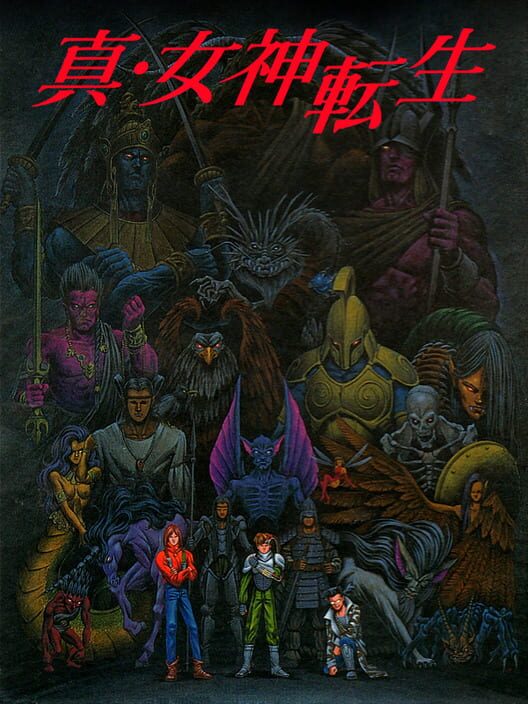
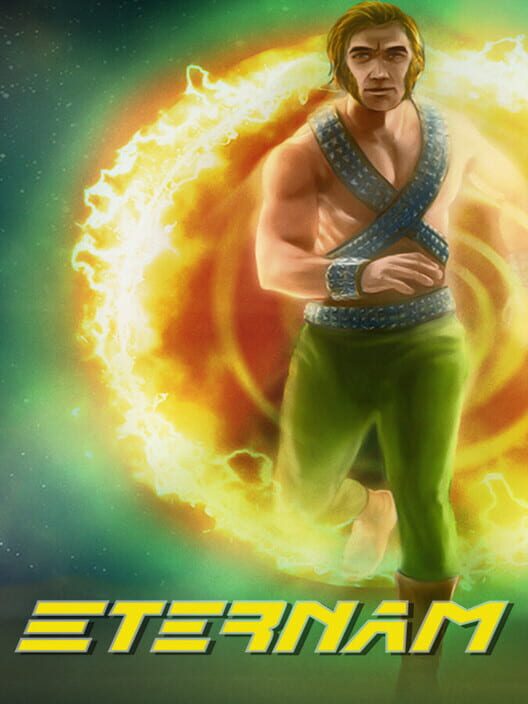
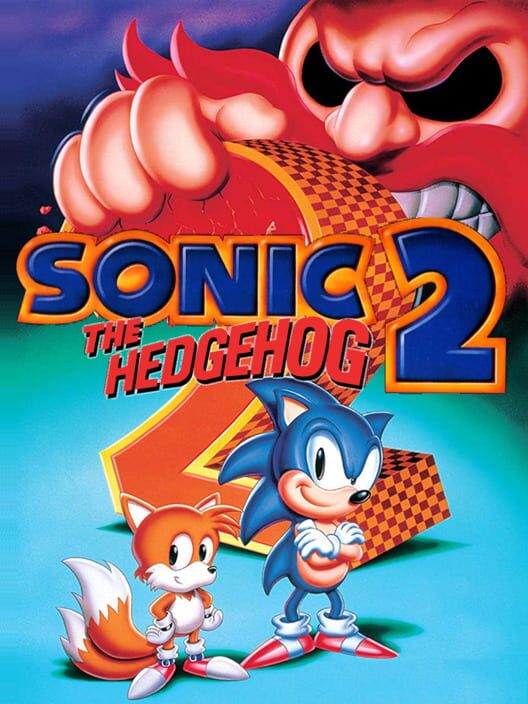
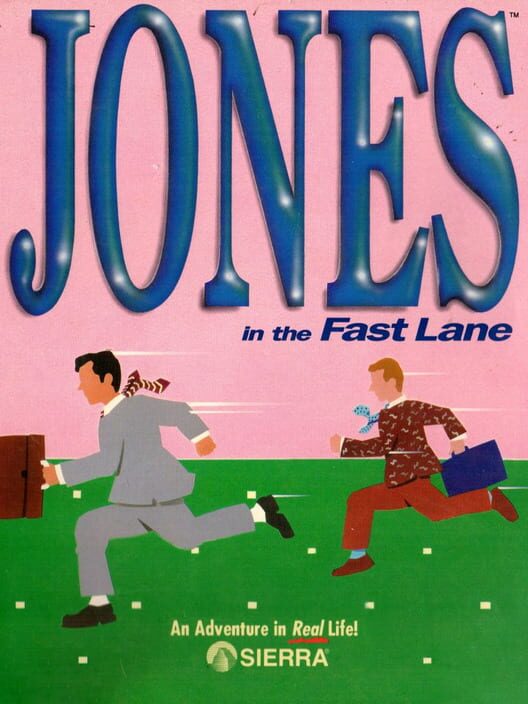
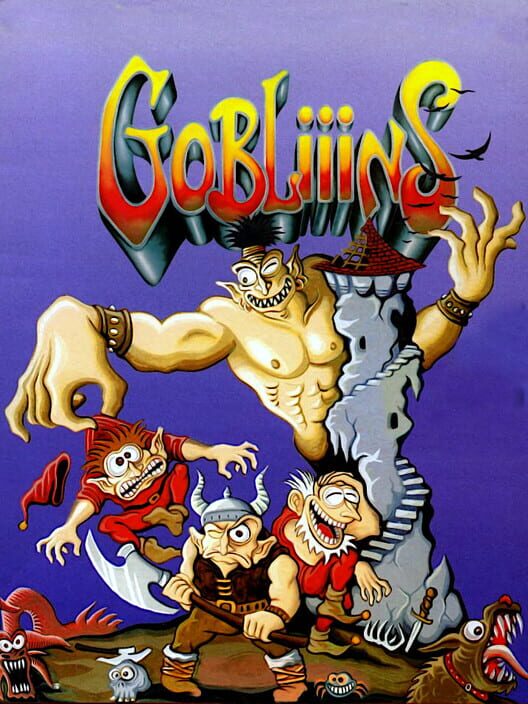
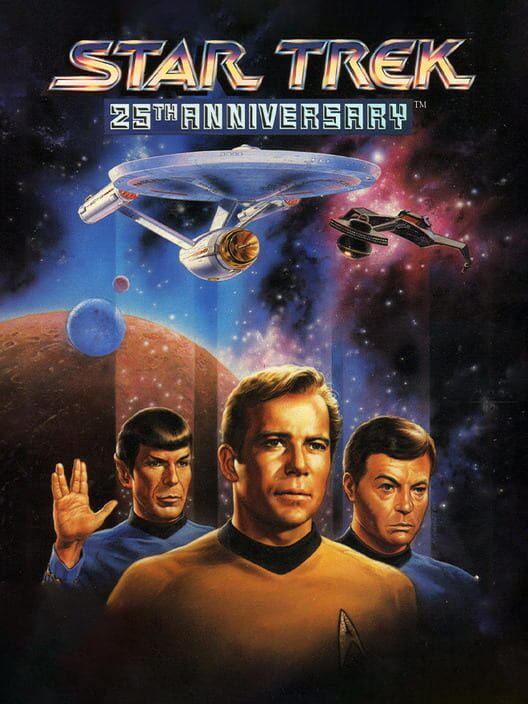
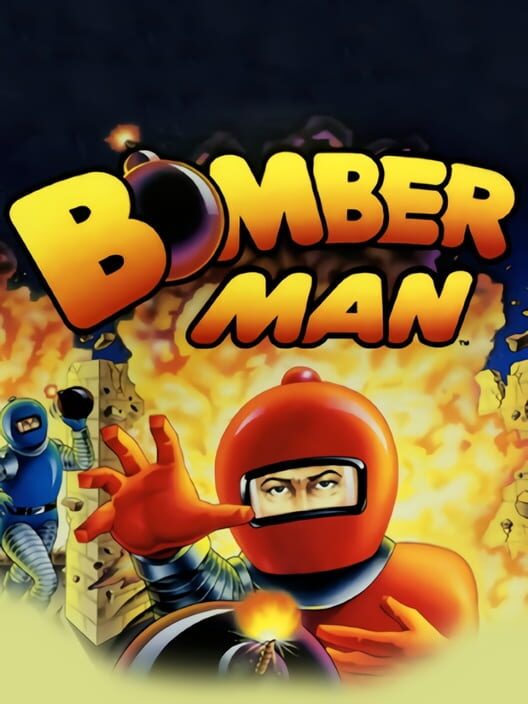
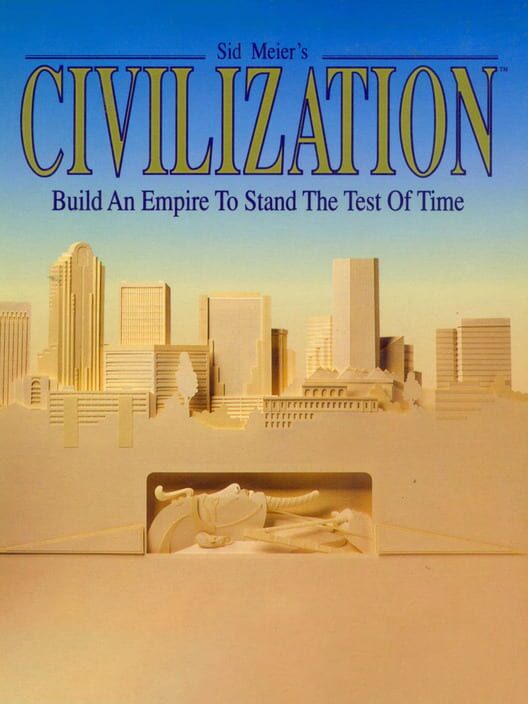
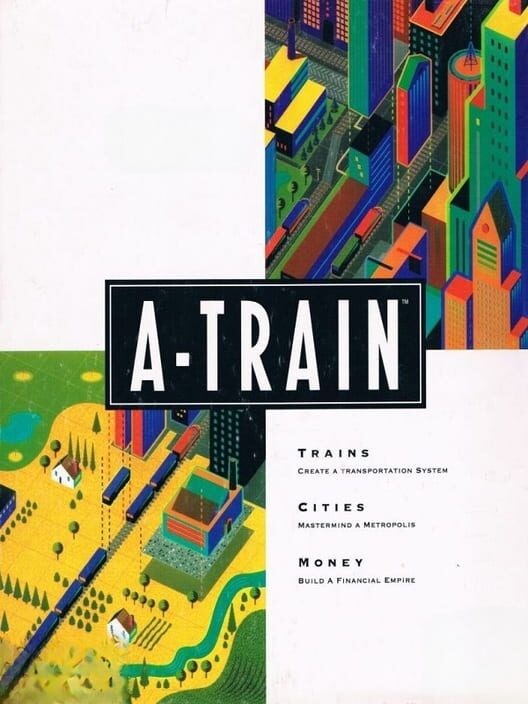
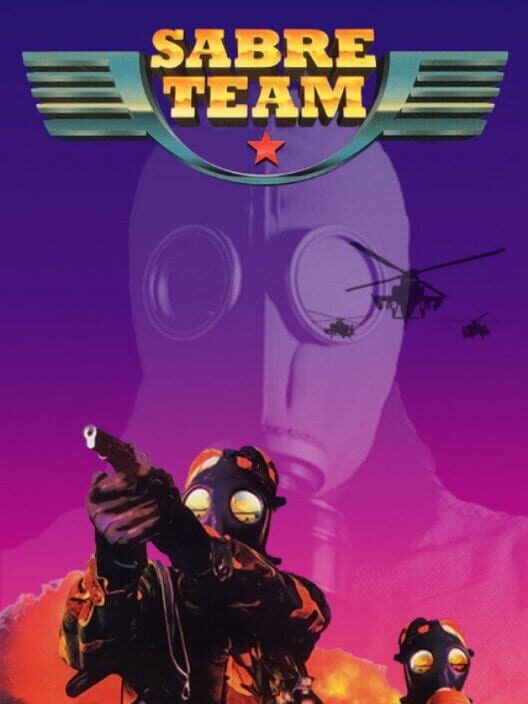
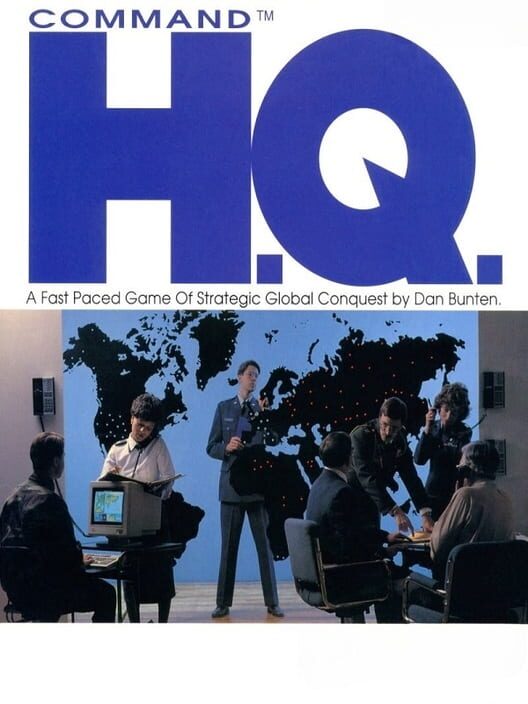
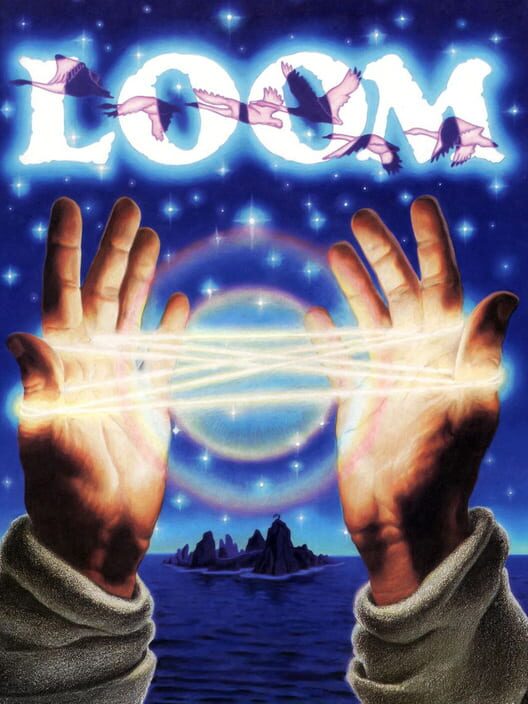
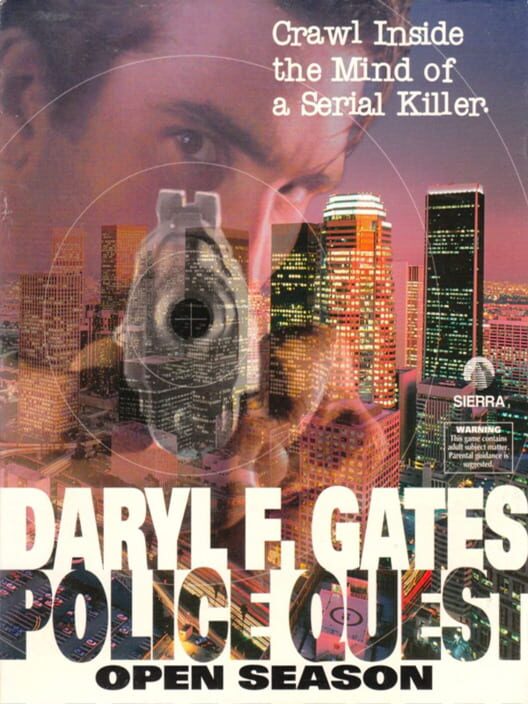
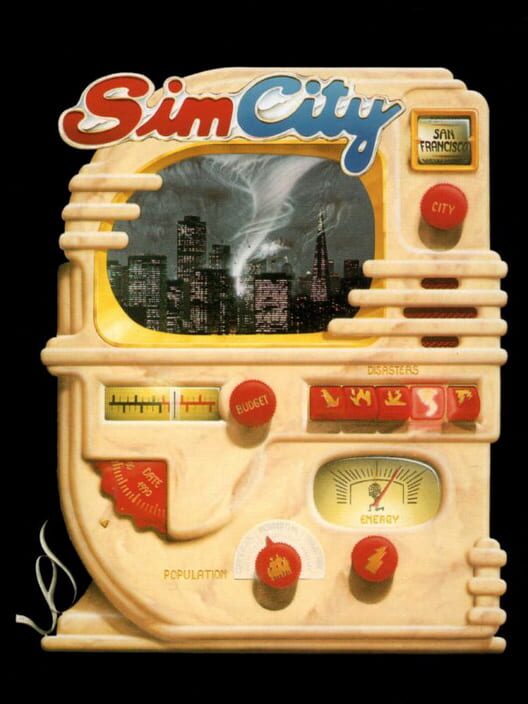
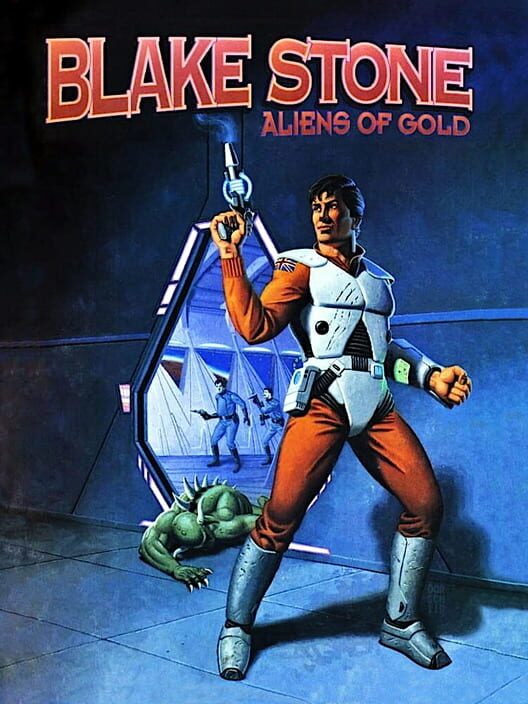
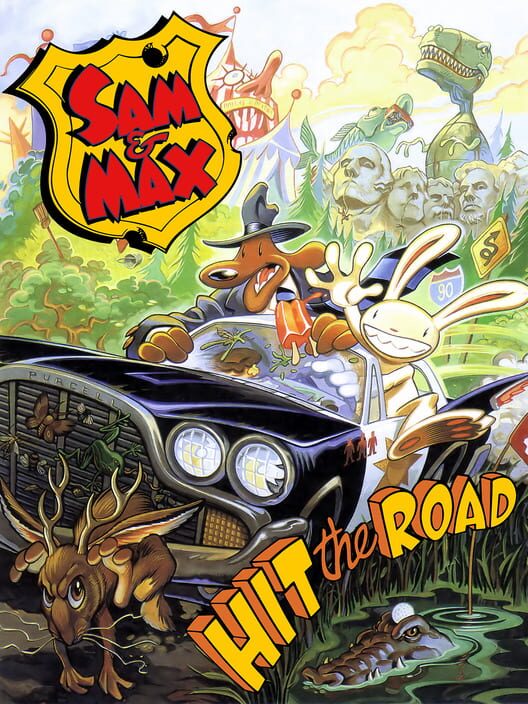
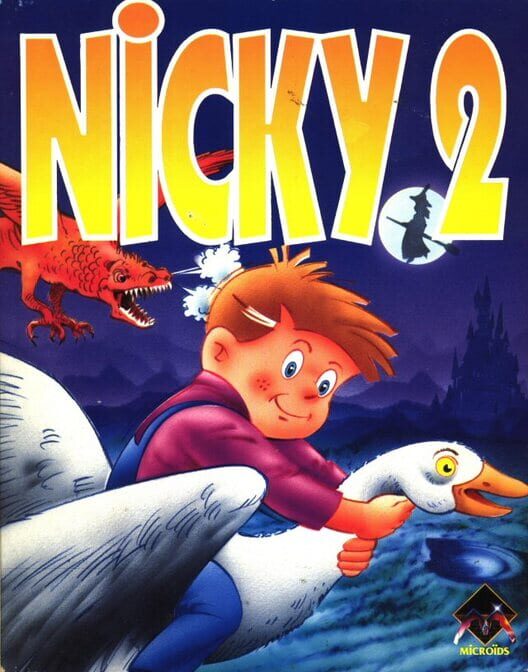
Not a console but a format — and one of the richest in collecting. From the 1980s through the mid-2000s, PC games sold in large cardboard boxes that were objects in their own right: thick manuals, cloth maps, code wheels, feelies, soundtracks, and the elaborate Collector's and Limited editions that the digital era erased. The PC big-box is collected for its contents as much as its software — completeness is everything, and a box missing its map, manual or feelies is a fraction of a complete one. The format spans the foundational works of the medium (the early id, Origin, LucasArts, Blizzard and Bethesda catalogues) and the lavish special editions that publishers stopped making once distribution went online.

Three titles to know
The cultural and market anchors. If you take three things from this room, take these.
The format's headline object. Blizzard's loot-driven masterpiece in its original big-box is the most valuable standard PC big-box game — a four-figure sealed object and the cornerstone of any big-box collection. The studio's big-box culture set the standard the whole format is measured against.
The defining Collector's Edition of the format. The WoW vanilla Collector's Edition — art book, soundtrack, behind-the-scenes disc, an in-game pet — is one of the most sought big-boxes in PC collecting, prized for its completeness and the cultural weight of the MMO it launched.
A late-format big-box from an unknown Polish studio's debut — the start of CD Projekt Red. As one of the last true big-box releases before digital distribution took over, its boxed editions are the collectible artifact of a developer's beginning and the format's twilight.
10 anchor titles
The most-searched, most-collected releases on this platform.
First-print indicators
The grammar collectors use to authenticate and date copies of this platform.
PC big-boxes lived or died on their contents — manuals, maps, code wheels, feelies, reference cards, discs. A complete box requires every original component; missing feelies or a map can cut value by more than half. Completeness is the single governing factor of the format.
Releases ranged from standard big-boxes to Limited, Collector's and Deluxe editions with statues, art books and soundtracks. Edition tier and its complete contents define value within a title.
Pre-online games shipped physical copy protection — code wheels, manuals to look up passwords from, printed maps. These feelies are both collectible and, when missing, a clear sign of an incomplete box.
Big-box dimensions and stock changed over the format's life (the large 1990s boxes vs the slimmer mid-2000s ones). Box format helps date a copy and distinguish original releases from later reprints.
The same title shipped in different boxes and contents by region and publisher. Region and the specific publisher edition determine which big-box is the collectible one for a given game.
Reading on this platform
Hangtabd editorial threads that cover or anchor on this console.
Cartridge, optical disc, and the PC big-box are three physical formats with three different condition profiles, completeness checklists, and failure modes. Format shapes how a title collects.
A collection is only as good as its condition holds. Light, humidity, handling, and gravity all degrade games over time — and a small preservation discipline protects both the objects and their value.
The price is never the cost. Platform fees, shipping, insurance, customs, and VAT stand between the sticker and the settlement — and a collector who doesn't budget them buys and sells worse than one who does.
London is one of the deepest global markets for sealed and CIB vintage video games — but the depth lives outside the obvious channels. A working playbook for the serious sourcing trip.
100 titles indexed