Famicom
Family Computer · 1983–2003
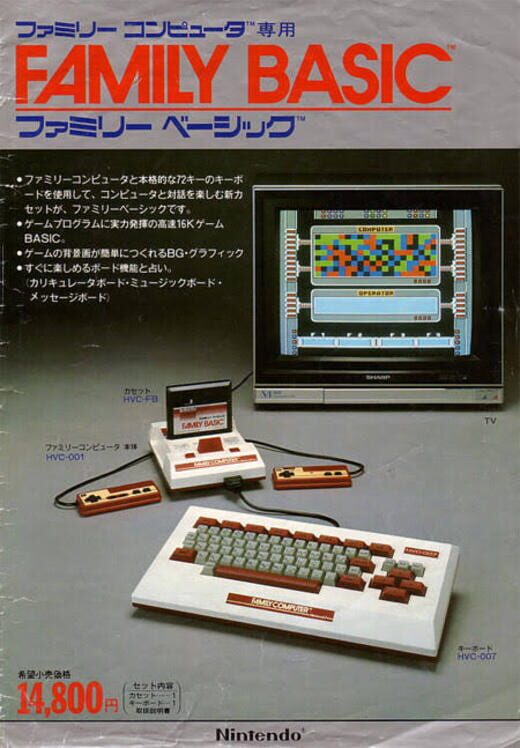
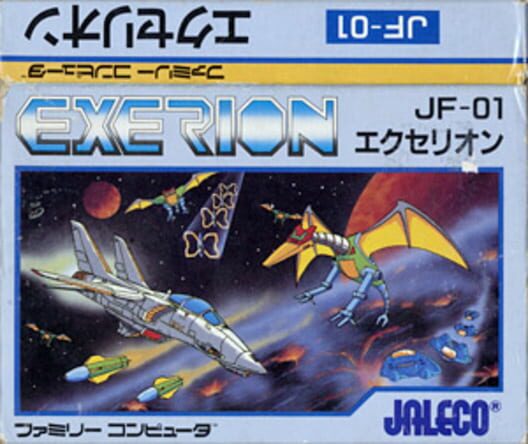
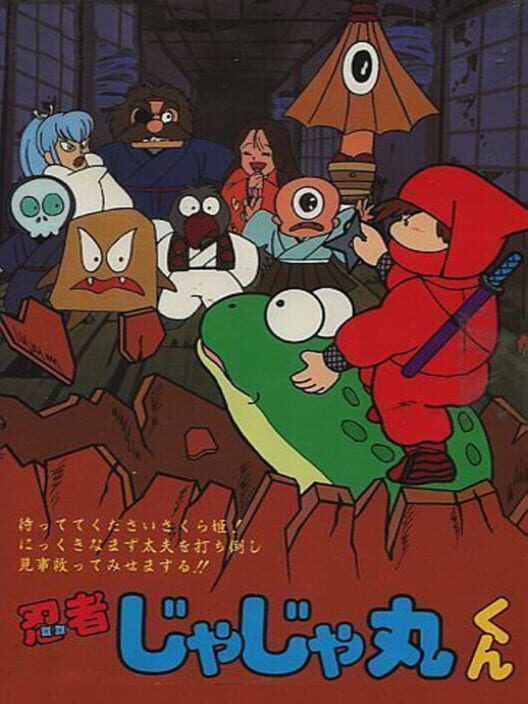
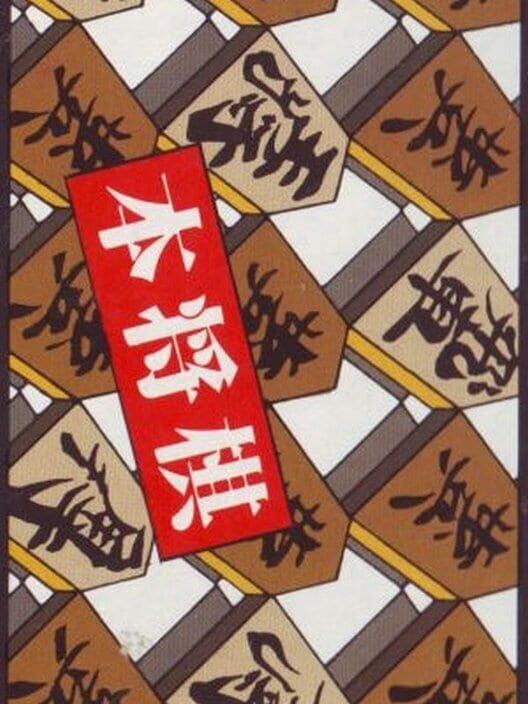
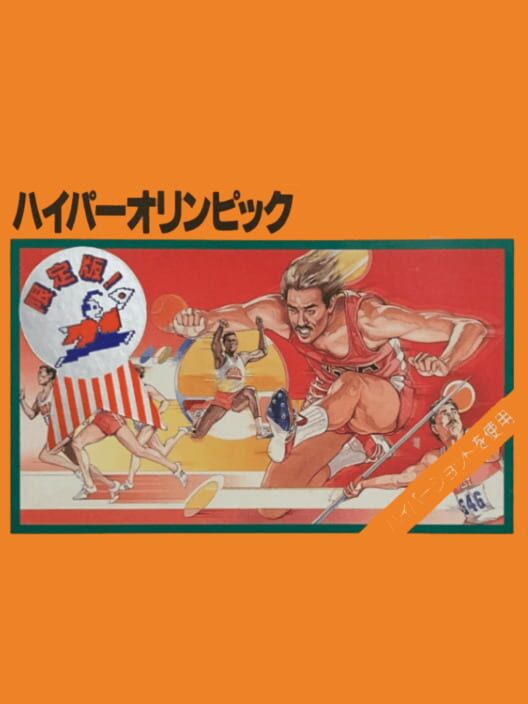
The machine that ended the crash before the crash ever reached Japan — Nintendo's Family Computer, launched in 1983, two years before its redesigned Western counterpart, the NES. The Famicom library is vast and distinct: smaller, brightly coloured cartridges, the Disk System add-on with its own catalogue of titles never sold on cartridge, and a long tail of Japan-only releases that make import Famicom collecting one of the deepest and most rewarding fields in the hobby. The grails span late, low-print cartridges, Disk System exclusives, and the earliest releases — a platform collected for both its historical primacy and the breadth of software that never left Japan.

Three titles to know
The cultural and market anchors. If you take three things from this room, take these.
A late shoot-'em-up sold mainly through a contest promotion in tiny numbers — one of the rarest and most sought Famicom cartridges and a key high-end target. Emblematic of the late, low-print scarcity that defines the platform's grails.
A late, technically dazzling Sunsoft platformer with a custom sound chip — a low-print 1992 release revered by collectors and a cornerstone of serious Famicom sets. Emblematic of the late library's combination of quality and scarcity.
8 anchor titles
The most-searched, most-collected releases on this platform.
First-print indicators
The grammar collectors use to authenticate and date copies of this platform.
Famicom software exists on cartridges and on Disk System diskettes, many of the latter never released on cartridge. Format defines collecting scope and which titles a setup can play.
Famicom boxes are small cardboard cartons that survived poorly. Complete-in-box copies with manual and inserts command large premiums over loose cartridges.
The grails span the earliest 1983–84 releases and scarce late 1992–94 cartridges. Catalogue position and print run drive Famicom value at the high end.
Much of the Famicom catalogue never reached the West. The platform is import collecting, and Japanese packaging and labels are part of authenticating and placing a copy.
100 titles indexed