NES
Nintendo Entertainment System · 1985–1995
The console that resurrected the American home-game market after the 1983 crash, and the foundation of modern game collecting. Nintendo's tightly licensed 8-bit library — roughly 700 NTSC-U releases — sits on top of the deeper NTSC-J Famicom catalogue, the same silicon in a wholly different cartridge form and packaging culture. Two eras drive the sealed market: the Black Box launch window (1985–1987), whose hangtab-and-sticker-seal first prints in high grade are the scarcest and most valuable objects in the entire hobby, and the licensed catalogue that followed, where a handful of low-distribution titles — Stadium Events chief among them — sit far above everything else. The NES is where first-print grammar was invented, and every authentication habit the hobby has descends from learning to read these boxes.

Three titles to know
The cultural and market anchors. If you take three things from this room, take these.
The most valuable object in game collecting. As the pack-in and standalone launch title, Super Mario Bros. printed across the platform's whole life in a dozen distinguishable box variants — and the earliest of them, the sticker-sealed hangtab Black Box first prints, are the apex of the entire hobby. The variant ladder here is the deepest in collecting; a single grade step or seal type moves the price by five figures.
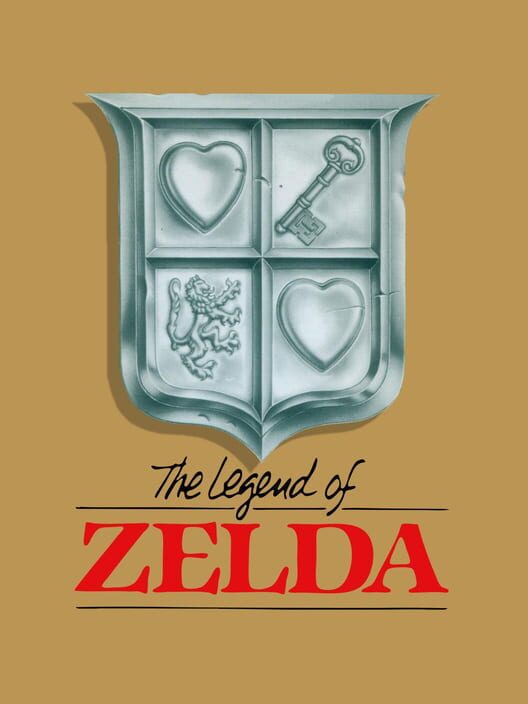
The Black Box grail with a mechanism no NES game had before it — a battery-backed gold cartridge that let you save. The 1987 first print, in the matte Black Box with the correct early seal, is one of the most chased sealed objects on the platform; the later reprints and the gold-vs-grey cartridge question define its authentication.
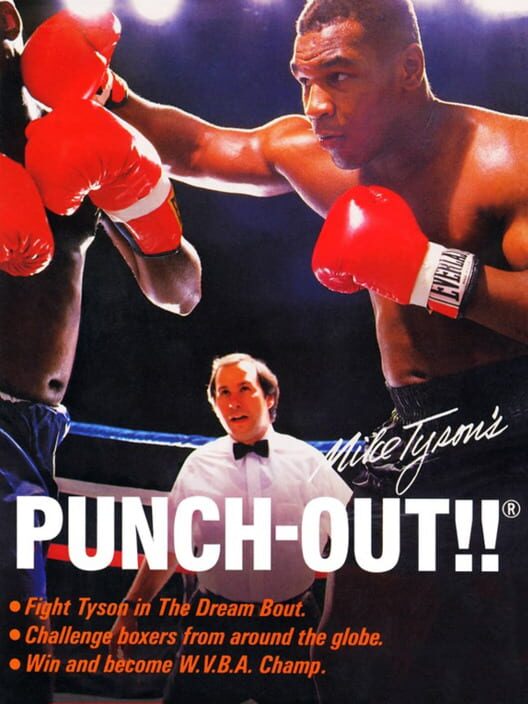
The licensing time-bomb. Nintendo's deal with Tyson lapsed in 1990 and the game was reissued as plain 'Punch-Out!!', so the Tyson-branded box is a closed, dated print window — and the copies pulled from shelves after the name change give the sealed first print an unusually clean scarcity story for a mass-market title.
10 anchor titles
The most-searched, most-collected releases on this platform.
First-print indicators
The grammar collectors use to authenticate and date copies of this platform.
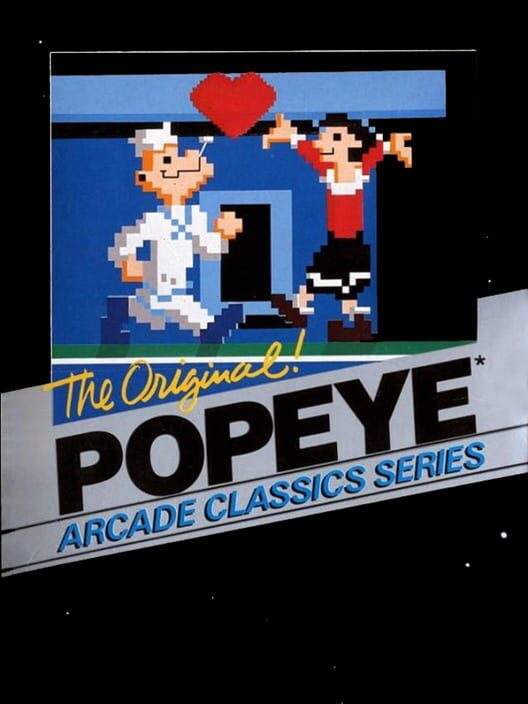
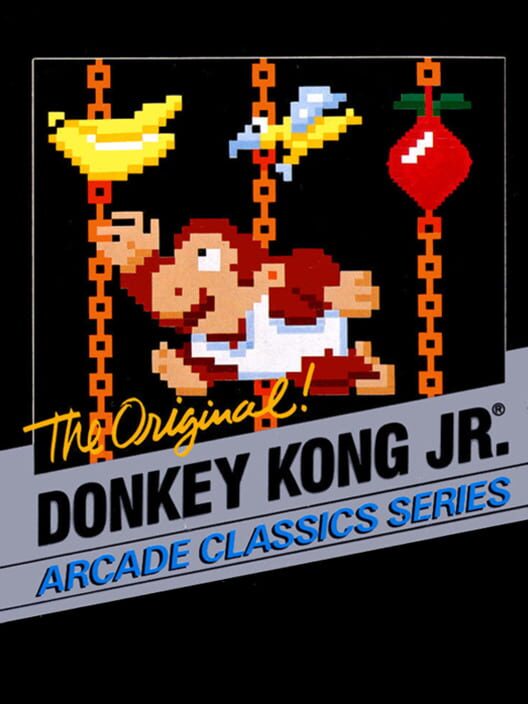
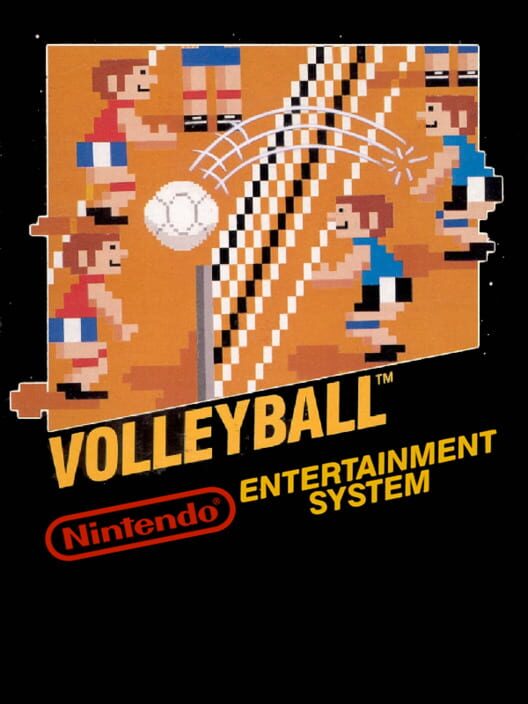
The launch line shipped in the matte black-bordered 'Black Box' with screenshot panels and, on retail copies, a cardboard hangtab. Period-correct Black Box art, the hangtab (or its clean removal scar), and the earliest seal type mark a true first print; every later reprint of a launch title trades far below it.
Early sealed NES boxes used an H-seam or sticker seal before the move to standard shrinkwrap. Seal type is the single largest variable in Black Box valuation — an early sticker-sealed hangtab copy is a different object, and a different price bracket, from a later shrink-sealed reprint of the same game.
The Nintendo Seal of Quality changed from the early 'Official Nintendo Seal of Quality' oval to the later round seal. On a launch-era title the period-correct early seal is required for first-print status; the round seal dates a copy to a later printing.
The earliest NES cartridges used five screws before Nintendo moved to a three-screw shell with a rear label revision. A 5-screw shell on an early release supports a first-print attribution; a 3-screw shell indicates later production.
Stadium Events (Bandai, 1987) was pulled and rebranded by Nintendo as 'World Class Track Meet' almost immediately, leaving the Bandai-boxed original as one of the rarest licensed NES releases in existence — a low-population grail whose CIB and sealed examples reach five figures. The rebranded reprint is common and unrelated in value.
Best-sellers were reissued under the 'Player's Choice' banner and, later, the 'Classic Series' line, each with distinct box treatments. The banner disqualifies a copy as a first print; its absence on a 1985–1990 release is a clean first-print indicator.
Reading on this platform
Hangtabd editorial threads that cover or anchor on this console.
Every physical game exists as three distinct collector objects — Sealed, CIB, and Loose — each with its own market, its own buyer, and its own price band. Collapsing them into one number is the category's most common error.
The sealed tier is governed by two things the other tiers barely feel: the exact factory seal type, and the assigned grade. Learn to read the seal and you can read the market.
Loose is the player's tier — bare cartridge or disc, deepest supply, lowest prices. But it has its own literacy: label revisions, board variants, and the authenticity questions that bare media raises.
Most titles were printed in successive runs that differ in small physical detail. The first print is a distinct, scarcer object — and the market prices the difference with precision.
The hangtab is the cardboard loop atop early game boxes, made to hang on retail pegs. Its shape and die-cut are a precise print-run signature — and the detail Hangtabd is named for.
'Vintage' isn't a date cutoff — it's the point at which a title's collector value crosses above its original retail price. That crossing, not a birthday, is what admits a game to the catalogue.
Boxes and labels changed across a title's print life. Learning to read those changes lets you place any copy in its production window and separate first print from reprint on sight.
The paper is the hardest part of a box to keep and the easiest to overlook. Manuals and inserts are both a completeness requirement and a print-window fingerprint — and their absence is priced sharply.
Where you buy shapes what you pay and what you risk. Each channel has a distinct profile — price, selection, authenticity risk, and recourse — and the disciplined collector matches the channel to the purchase.
Selling well is a mirror of buying well: the right channel for the object, honest condition disclosure, and a clear-eyed grade-or-not decision that can make or lose real money.
A collection with a thesis compounds; a collection without one scatters. The four common structures — full-set, franchise, console-complete, and grail-led — each define a different project, budget, and endgame.
Value in vintage games is the product of four forces: scarcity, demand, condition, and provenance. None acts alone — a title's price is where all four meet, and reading them together is the whole of valuation.
Grading looks subjective until you learn the system. Condition is assessed against consistent axes — corners, edges, surface, seal integrity, and completeness — and learning to read them lets you grade a copy before anyone else does.
A WATA grade is two assessments in one: a numeric box grade and a letter seal grade. Reading both — and understanding how they combine — is essential to pricing any graded sealed copy.
Three principal houses grade games — WATA, CGC, and VGA — each with its own scale, history, and market standing. The slab on the copy matters as much as the grade inside it.
Grading is a bet, not a default. It can multiply the value of a strong sealed copy or waste money and time on a copy that won't grade high enough — and it permanently changes the object. The decision is a calculation.
A population report is the census of how many copies each house has graded at each level. It turns 'scarce' from a feeling into a number — and it's the data that explains why a grade step can multiply a price.
A reseal is an opened copy re-shrinkwrapped to pass as factory-sealed — the sealed tier's defining fraud. Learning the physical tells, and knowing when to defer to a grading house, is essential before spending sealed money.
Provenance is the chain of proof behind a copy — grading, ownership history, auction record, documentation. It doesn't change the object, but it changes the risk, and reduced risk is worth real money at the top.
The auction houses are where trophy games change hands and where the market's ceiling is publicly set. Understanding how they work — and what the buyer's premium and competitive bidding do to a price — is essential to reading the top of the market.
The seven-figure game sales made headlines and remade perception of the hobby. They are real, public, and instructive — and they are outliers that tell you almost nothing about what a copy in your hands is worth.
The sealed market ran up hard, drew scrutiny, and corrected — a full cycle in three years. Understanding it separates the froth from the structural scarcity that remains, and inoculates against repeating the top-tick mistake.
Collectible game prices move in cycles driven by nostalgia, generational buying power, and broader capital flows. Reading the cycle — and distinguishing a durable trend from a bubble — is the collector's long-game discipline.
The price is never the cost. Platform fees, shipping, insurance, customs, and VAT stand between the sticker and the settlement — and a collector who doesn't budget them buys and sells worse than one who does.
Beyond the market sits a preservation movement — the people and institutions documenting, dumping, and archiving games before the media degrades and the knowledge is lost. Collecting and preservation are two answers to the same fragility.
Modern game collecting was built as much by its media as its markets. Price-guide sites, video creators, and community forums assembled and spread the knowledge that turned a scattered pursuit into a literate hobby.
Reproduction cartridges divide the hobby: a way to play the unaffordable and preserve access, or a fraud vector that poisons the market. The distinction that matters is disclosure — and the collector's defence is the same regardless.
The show circuit is where collecting happens face to face — in-person inspection, negotiation, discovery, and the dealer relationships that pay off long after the show ends. It's the channel that teaches fastest.
The grading and record-sale boom drew serious public allegations and equally serious denials. The matter remains contested — but the collector's takeaway is clear regardless of who is right.
The hobby's great collections — the completist full-sets, the sealed hoards, the single-owner auctions — are more than trophies. Each embodies a thesis, and reading them is a masterclass in how great collections are actually built.
Thirty matte-cardboard NES launch titles from 1985–87 form an enumerable, visually coherent set — the closest the medium has to a numbered art series, and the apex of vintage console collecting.
100 titles indexed