← SERIES
THE COLLECTOR'S ROOM

Dragon Quest

Japan's national RPG — and a Western market where Nintendo gave the first one away free and the sequels became five-figure NES grails.

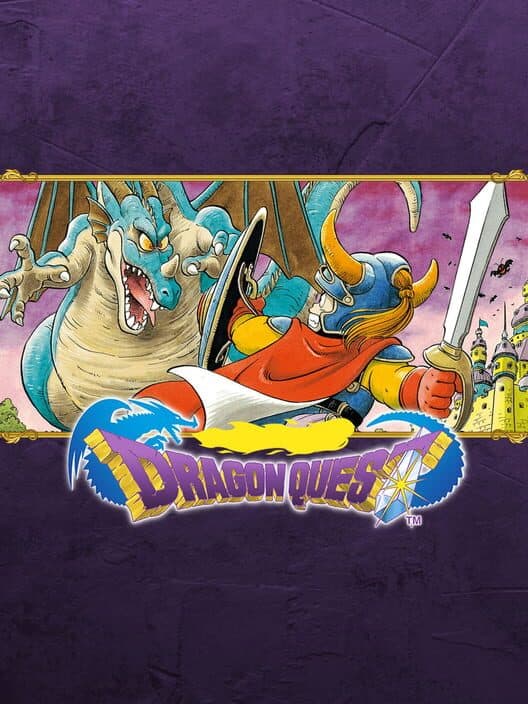
Dragon Quest is the JRPG's foundation and Japan's national role-playing series. Yuji Horii's 1986 game — with Akira Toriyama's art and Koichi Sugiyama's music — codified nearly everything the genre would become: the turn-based party, the overworld, the level grind, the friendly blue slime. In Japan it's a cultural institution; new mainline entries have, at times, been released on weekends to keep the country's productivity from collapsing. Final Fantasy gets the Western spotlight, but Dragon Quest is the older, larger phenomenon at home.

Its Western collecting market is built on a beautiful irony. To teach skeptical Americans to like RPGs, Nintendo gave the original Dragon Warrior away free to every Nintendo Power subscriber — so it's abundant and cheap. But Western interest never caught fire, and the sequels printed in ever-smaller numbers as the NES wound down, leaving Dragon Warrior III (~€9,153) and IV (~€3,450) among the most valuable licensed NES games there are. The 2005 rename to Dragon Quest (DQ VIII) and the scarce DS remakes are the modern objects. The scarcity was made by indifference, not demand — which is exactly what makes it interesting.

Since
1986
Creator
Yuji Horii
Apex platform
NES
In the canon
32
The grails

The variants and special editions that define the apex of the franchise — the objects a serious collection is measured against.

Dragon Warrior III
The late-release NES grail
Dragon Warrior III

By the time Dragon Warrior III reached the West in 1991, the NES was on its way out and American interest in RPGs was lukewarm — so it printed in tiny numbers. The result is one of the most valuable licensed NES games in existence: a high-grade sealed copy trades near five figures, scarcity created by Western indifference to a series that was a cultural event in Japan.

€104 loose → five figures sealed
est.
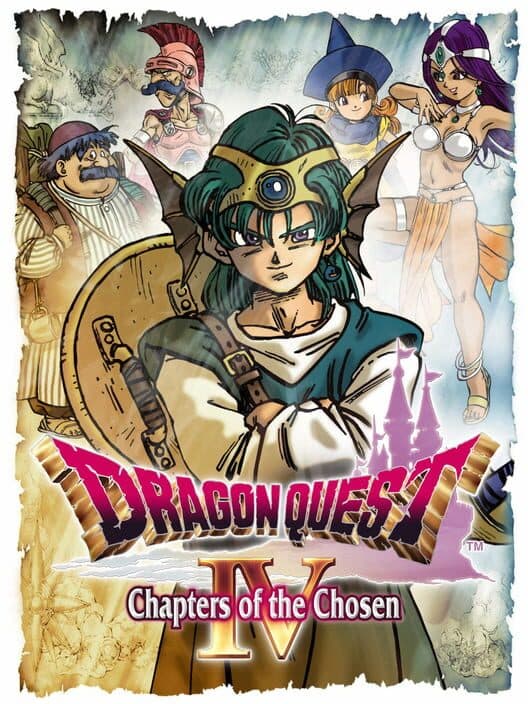
Dragon Warrior IV
The last NES chapter
Dragon Warrior IV

The 1992 fourth entry arrived even later — one of the final licensed NES releases anywhere — with an even smaller print run. A sealed first print is a four-figure grail and the end of the franchise's 8-bit Western run.

€149 loose → €3,400+ sealed
est.
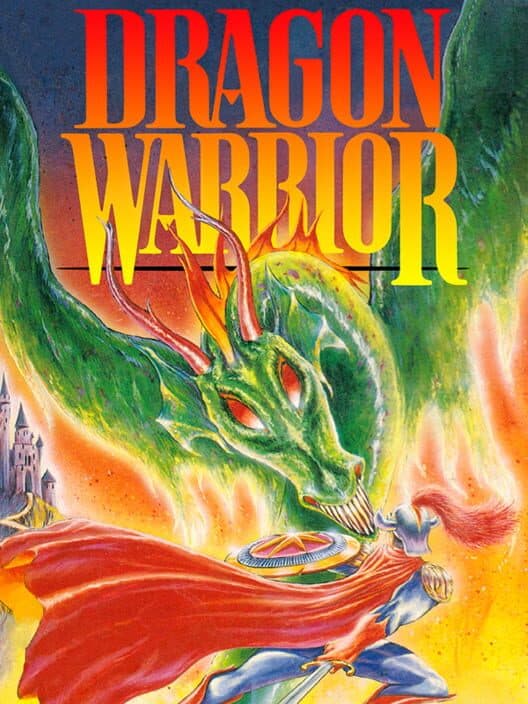
Dragon Warrior
The free giveaway
Dragon Warrior

Nintendo Power gave the original Dragon Warrior away free to every subscriber in 1990 — a deliberate campaign to teach Americans to like RPGs — which is why loose copies are everywhere and cheap. That very abundance is the franchise's defining collecting quirk: the one game everyone got for nothing sits at the foot of a five-figure series.

€12 loose → €600+ sealed
est.
Dragon Quest VIII
The Western breakthrough
Dragon Quest VIII

The 2005 PS2 entry was the first released in the West as 'Dragon Quest' — a lavish, cel-shaded, fully-3D epic that finally gave the series real Western traction. A sealed first print is the moment the franchise stopped being a cult import and the cornerstone of its modern collecting.

€18 loose → €180+ sealed
est.
Dragon Quest V: Hand of the Heavenly Bride
The beloved remake
Dragon Quest V: Hand of the Heavenly Bride

The 2009 DS remake of the famously moving fifth entry — three generations, the marriage choice, a story fans still rank among the genre's best — is a genuinely scarce Western DS release. Pricey even loose; a sealed copy is a sleeper grail of the handheld era.

€119 loose → €250+ sealed
est.
The apex

The single most-coveted object in the franchise — and where the market actually prints it.
The late-NES grail
Dragon Warrior III
€104 → five figures

A sealed Dragon Warrior III is the strange fruit of Western indifference. Dragon Quest III is a landmark in Japan — the entry that perfected the formula, sold out nationwide, and reportedly prompted a law about when RPGs could launch. In America it arrived in late 1991 as 'Dragon Warrior III', onto an NES the market had already begun abandoning and into an audience that hadn't yet warmed to RPGs, so it printed in tiny numbers. The result is one of the most valuable licensed NES games in existence — a high-grade sealed copy trades near five figures. The same series whose first game Nintendo gave away free produced, three entries later, a grail.

Sealed (current)
€9,153
high-grade NES first print
Released (US)
1991
late NES, tiny print
Loose entry
€104
scarce even loose
The irony
DW1 was free
given away by Nintendo Power
Open the title
Current market · three tiers
SEALED€9,153CIB€343LOOSE€104
Sealed · price history
€9,153 0% since 7 Jun
€9,153€9,1537 Jun
Dragon Quest XI
Artwork
Dragon Quest XI · 2018
The canon

32 games across 9 platforms and 8 eras — the Nintendo-published canon, editions consolidated, grouped from the 8-bit foundation to the modern era. Mark what you own; your completion saves on this device.

32 titles tracked
The artwork

Official key art across the run — the franchise as the studio drew it.

Dragon Quest VIII
Artwork
Dragon Quest VIII · 2005
Dragon Quest XI
Artwork
Dragon Quest XI · 2018
The tape

Dragon Quest's Western value is concentrated in the late NES sequels, and the curve is the inverse of demand. The free-giveaway original is abundant and cheap; Dragon Warrior III (~€9,153) and IV (~€3,450) are five- and four-figure grails purely because Western indifference kept their print runs tiny. The Game Boy Color remakes (DW I&II, III, the Monsters spinoffs) carry real premiums too. On the modern side, Dragon Quest VIII (the rename) and the scarce DS remakes — V especially — are the objects that move. The mainline numbered Western releases are the whole market; the spinoffs and collections stay soft.

The acquisition plan

A Dragon Quest shelf is cheap at the foot and brutal at the late-NES top. The original and the modern games cost little; the budget concentrates on Dragon Warrior III and IV.

Phase 1 — The line, loose
€80–€350

Acquire the original Dragon Warrior (cheap, thanks to the giveaway), the PS2 and DS entries loose and authentic. DW III and IV already cost real money even loose.

Phase 2 — CIB first prints
€400–€2,500

Upgrade Dragon Quest VIII, the DS remakes and the early Dragon Warrior carts to complete-in-box — and chase a CIB Dragon Warrior III, the foothills of the grail.

Phase 3 — A sealed grail
€3,000+

The centre of gravity: a sealed Dragon Warrior III in high grade, with a sealed Dragon Warrior IV as the second lifetime target — both made scarce by a market that ignored them.

The most common errors
  1. 01
    Treating the giveaway original as valuable

    Nintendo gave Dragon Warrior away free to millions of Nintendo Power subscribers — loose and CIB copies are everywhere and cheap. The value is in the later sequels, not the abundant first game.

  2. 02
    Confusing 'Dragon Warrior' and 'Dragon Quest'

    The same series ran under two names in the West — Dragon Warrior (NES/PS1) then Dragon Quest (PS2 on). The numbering is continuous; know which name maps to which entry before you buy.

  3. 03
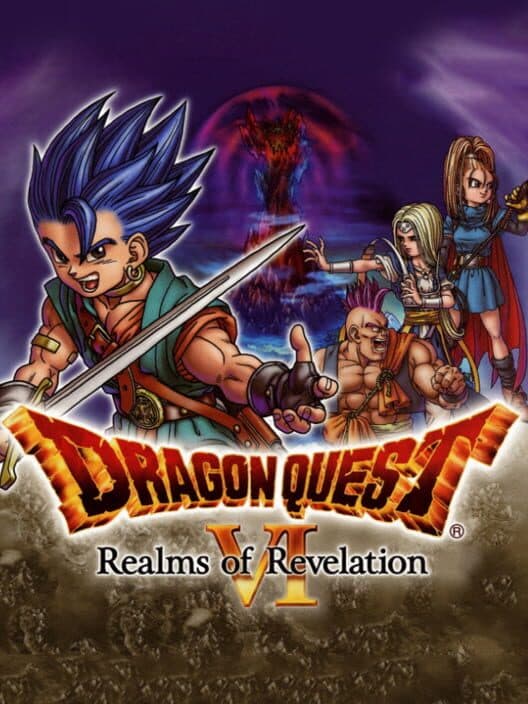
    Underrating the DS remakes loose

    Dragon Quest V and VI on DS are genuinely scarce Western releases and already command real money loose. Don't expect them at common-RPG prices.

  4. 04
    Chasing the grail before the foundation

    A sealed Dragon Warrior III with gaps underneath it reads as a trophy. Build the loose line first; the grail lands better as the crown of a complete set.

The timeline
  1. 1986
    Dragon Quest (Famicom)

    Yuji Horii codifies the JRPG — party, overworld, slimes and all.

  2. 1989
    Dragon Warrior (NES)

    The Western debut — soon given away free by Nintendo Power.

  3. 1991
    Dragon Warrior III (NES)

    A late, tiny-print Western release — now a five-figure NES grail.

  4. 2005
    Dragon Quest VIII (PS2)

    The rename and the lavish Western breakthrough.

  5. 2009
    Dragon Quest V (DS)

    The beloved remake — a scarce, climbing handheld object.

  6. 2018
    Dragon Quest XI (multi)

    The acclaimed modern entry — the series at its most accessible.

More series