← SERIES
THE COLLECTOR'S ROOM

Super Mario

The mascot that built the medium — and the franchise that holds the two highest prices a video game has ever fetched.

No franchise sits more centrally in the medium than Super Mario. The 1985 original defined the side-scrolling platformer, sold north of 40 million copies, and turned a character into the most recognisable figure in entertainment. Every Nintendo console since has been launched or carried by a Mario — and the franchise holds, at the very top, the two highest prices any video game has ever fetched: $2,000,000 for a sealed Super Mario Bros. and $1,560,000 for a sealed Super Mario 64.

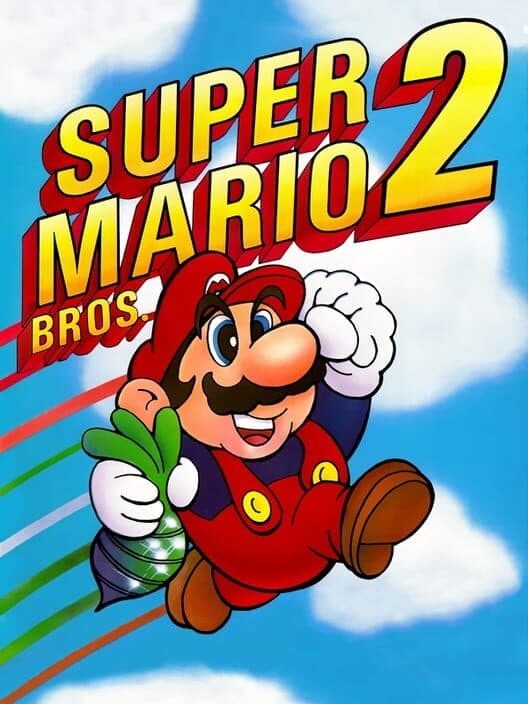
The collectability is structural. Super Mario Bros. alone went through roughly a dozen documented box revisions — the sticker-sealed cardboard hangtab first prints, the round- and oval-SOQ seal variants, the test-market codes — each priced precisely by the market. Super Mario Bros. 3's left- versus right-facing 'Bros.' is the hobby's most famous variant. This is exactly the terrain Hangtabd is built for: the franchise where the print window, not just the title, is the asset.

Since
1985
Creator
Shigeru Miyamoto
Apex platform
NES
In the canon
35
The grails

The variants and special editions that define the apex of the franchise — the objects a serious collection is measured against.

Super Mario Bros. — sticker-sealed first print
The $2,000,000 game
Super Mario Bros. — sticker-sealed first print

The earliest US copies shipped in a cardboard hangtab box closed with a plastic sticker seal and a production code printed beside it — the 'sticker-sealed' first prints that predate the later shrink-wrapped runs. A WATA 9.8 A++ example changed hands privately in 2021 for $2,000,000, the highest price ever paid for a video game. The same gold-standard title is a €40 loose cart: the widest price ladder in the hobby on a single game.

€38 loose → $2,000,000 sealed
est.
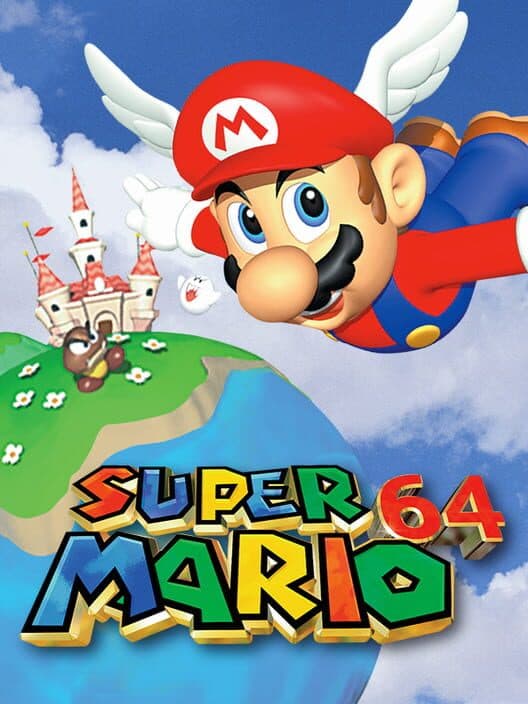
Super Mario 64 — sealed first print
The $1.56M N64 apex
Super Mario 64 — sealed first print

A sealed WATA 9.8 A++ Super Mario 64 sold for $1,560,000 at Heritage in July 2021 — the record for any game until the SMB private sale weeks later. The 3D launch title that redefined the platformer is the most compounding sealed N64 object in the market; the gray-cart Player's Choice reissue trades at a fraction of the black-label first print.

€34 loose → $1,560,000 sealed
est.
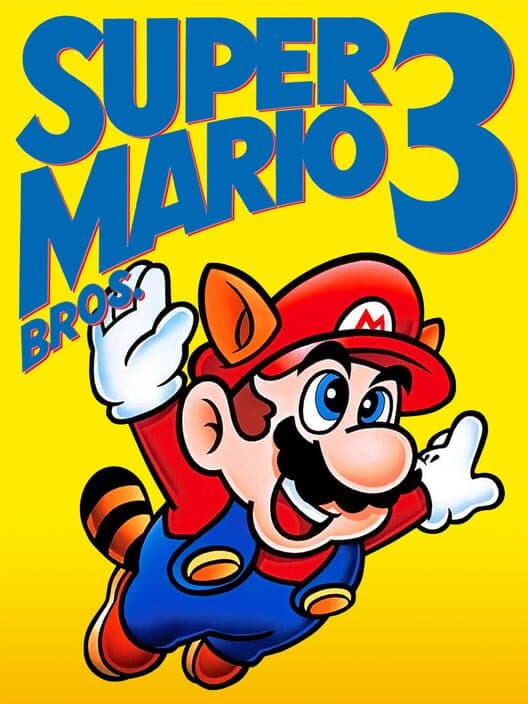
Super Mario Bros. 3 — left-facing Bros.
The variant that matters
Super Mario Bros. 3 — left-facing Bros.

The first US print run carries a box where the 'Bros.' wordmark sits behind Mario's elbow so the L points left; the later, common run shifted it right. A sealed left-facing WATA 9.2 A+ copy sold for $156,000 in 2020 — briefly the most expensive game in the world. The canonical lesson that on Mario, the variant is the value.

€28 loose → €150,000+ sealed
est.
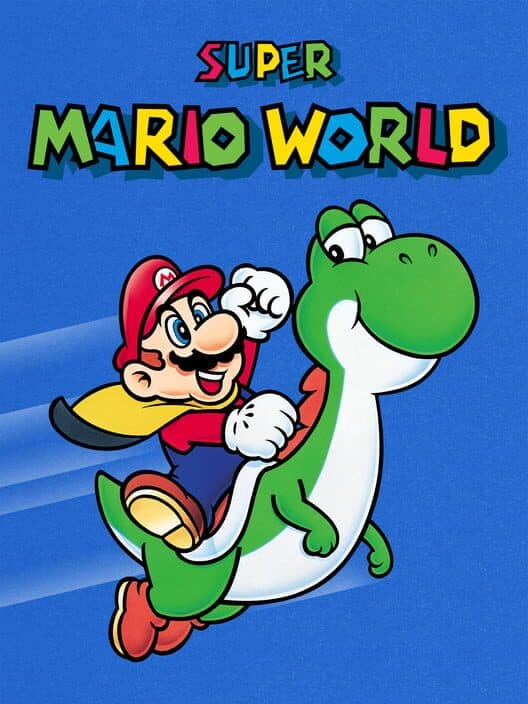
Super Mario World — sealed SNES first print
The 16-bit anchor
Super Mario World — sealed SNES first print

Bundled with the SNES at launch and printed in enormous numbers, yet a sealed standalone first print — original cardboard box, no 'Player's Choice' banner — is genuinely scarce in high grade. The cleanest first-print-vs-reprint lesson on the platform, and the SNES Mario the market anchors on.

€18 loose → €12,000+ sealed
est.
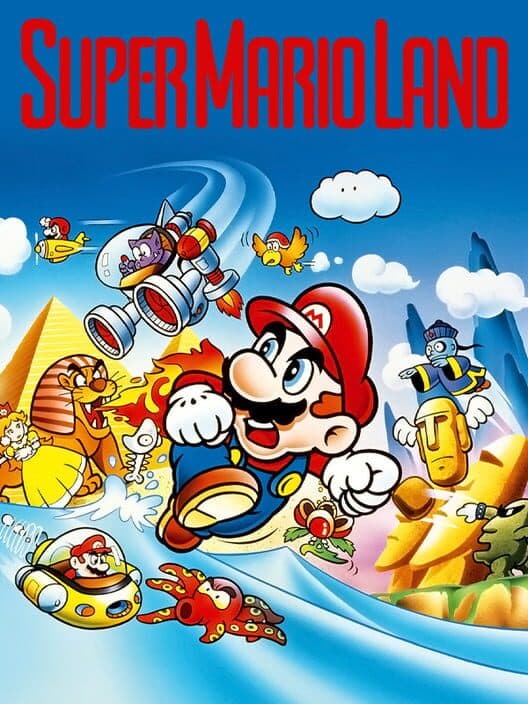
Super Mario Land — Game Boy launch
The handheld grail
Super Mario Land — Game Boy launch

The Game Boy's launch platformer and the start of the handheld Mario line. The first-print box predates the later seal and 'Players Choice' variants; sealed high-grade copies are the cornerstone of any Game Boy Mario shelf.

€18 loose → €2,800+ sealed
est.
The apex

The single most-coveted object in the franchise — and where the market actually prints it.

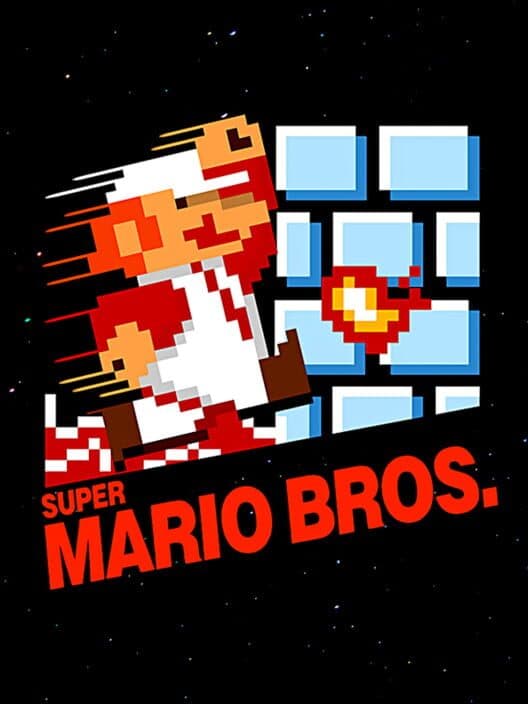
Super Mario Bros.
Super Mario Bros. · NES · 1985
The grail
Super Mario Bros.
€40,000 → $2,000,000

A sealed first-print Super Mario Bros. is the single object that defines the apex of the hobby. The earliest US copies — cardboard hangtab boxes closed with a plastic sticker seal and a production code — sit at the very top: a WATA 9.8 A++ example sold privately for $2,000,000 in 2021, the highest price ever paid for a video game. Even well off that peak, a graded sealed first print remains a six-figure object, and the title itself is the most recognisable game ever printed.

Apex sale
$2,000,000
WATA 9.8 A++, private 2021
Box revisions
~12 documented
seal + hangtab + code
Loose entry
€30–€40
the same iconic cart
First-print tell
sticker seal + code
cardboard hangtab
Open the title
Current market · three tiers
SEALED€42,000CIB€720LOOSE€38
Sealed · price history
€42,000 0% since 7 Jun
WATA 9.0 A · €18,800 · 28 Apr · Heritage AuctionsWATA 9.4 A+ · €41,500 · 14 May · Heritage Auctions€42,000€18,8007 Jun
2 verified sold comps · line = daily price snapshot
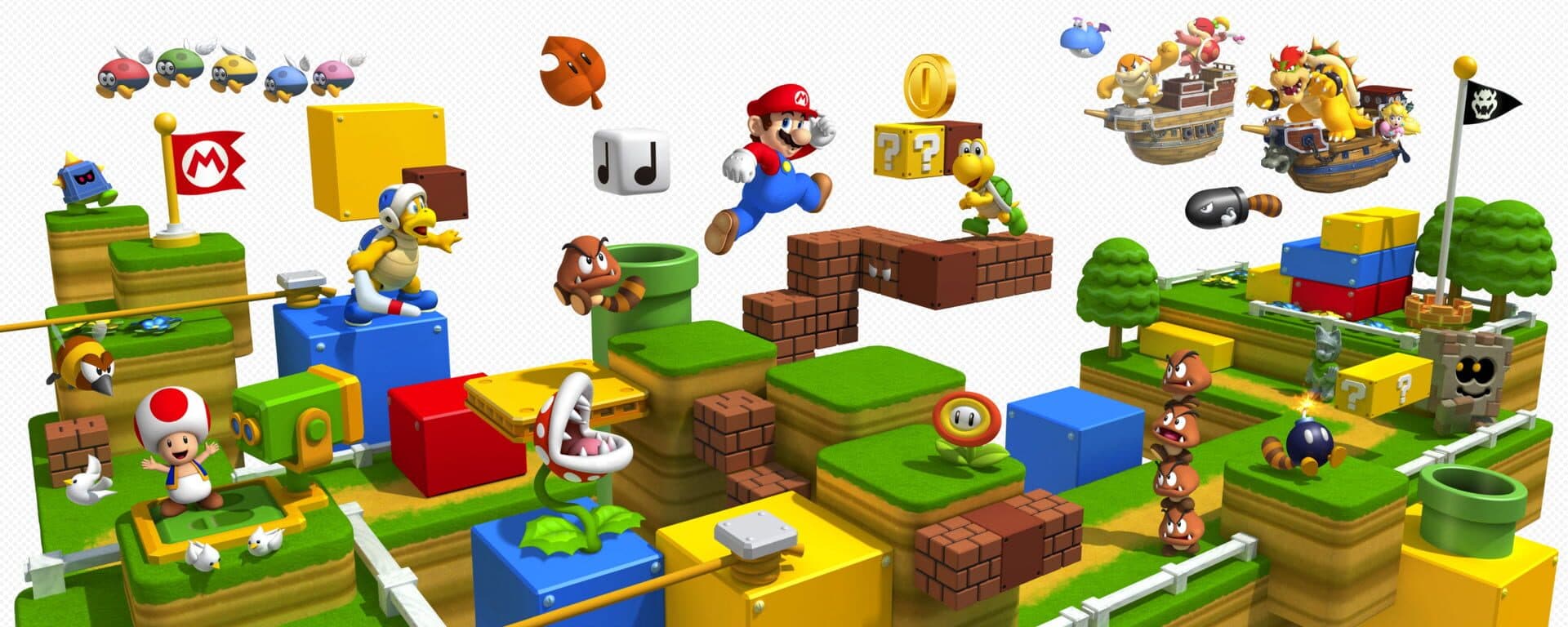
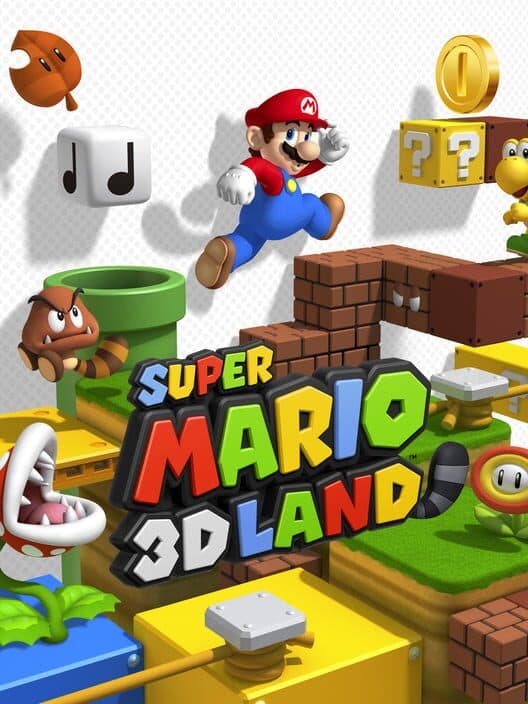
Super Mario 3D Land
Artwork
Super Mario 3D Land · 2011
The canon

35 games across 12 platforms and 7 eras — the Nintendo-published canon, editions consolidated, grouped from the 8-bit foundation to the modern era. Mark what you own; your completion saves on this device.

35 titles tracked
The artwork

Official key art across the run — the franchise as the studio drew it.

Super Mario 64
Artwork
Super Mario 64 · 1996
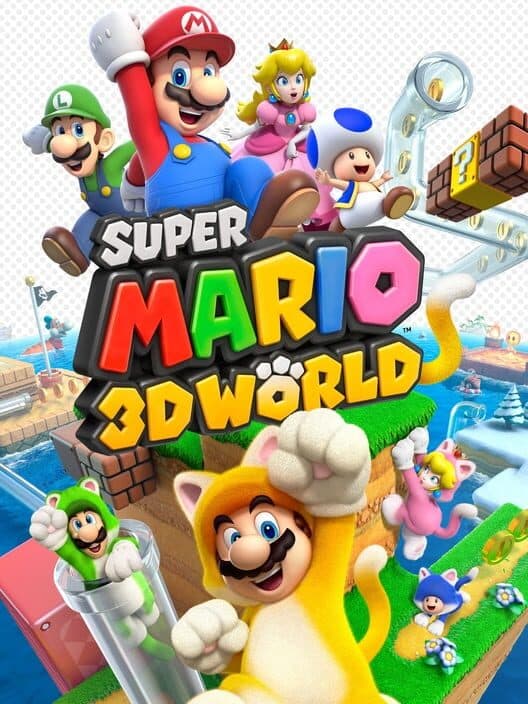
Super Mario 3D World + Bowser's Fury
Artwork
Super Mario 3D World + Bowser's Fury · 2021
Super Mario Bros. 3
Artwork
Super Mario Bros. 3 · 1990
New Super Mario Bros. U Deluxe
Artwork
New Super Mario Bros. U Deluxe · 2019
The tape

Super Mario is the bluest of blue chips alongside Zelda. The franchise holds the two highest game sales ever recorded, and while the sealed apex corrected from its 2021 peak with the rest of the high-grade market, Mario first-print scarcity has held value better than almost anything — there is simply nothing else to buy at the top. The mid-market (CIB SNES and N64 first prints) has compounded steadily as the loose generation ages into complete-in-box collecting. All-Stars, Player's Choice and Virtual Console reprints remain soft; first prints remain the only part of the curve that matters.

The acquisition plan

A complete-looking Mario shelf is three to five years of patient buying. Build the loose ground floor fast, move to CIB first prints in the middle, and reserve the back third of your budget for one or two sealed grails.

Phase 1 — The loose foundation
€250–€1,000

Acquire every mainline title loose, authentic carts and discs only. A complete-playable set teaches you each game's label and board revisions and costs less than one mid-grade sealed box.

Phase 2 — CIB first prints
€2,000–€10,000

Upgrade the anchors to complete-in-box, first print: Super Mario World (no Player's Choice banner), Super Mario 64 black label, Super Mario Bros. 3, Yoshi's Island, Sunshine. This is where a Mario collection starts to read as serious.

Phase 3 — A sealed grail
€15,000+

One graded sealed first print becomes the centre of gravity — most realistically a WATA-graded SNES or N64 entry. A sealed Super Mario Bros. first print is the lifetime target; most collectors anchor on a sealed World or 64 first.
The most common errors
  1. 01
    Buying the reprint as the first print

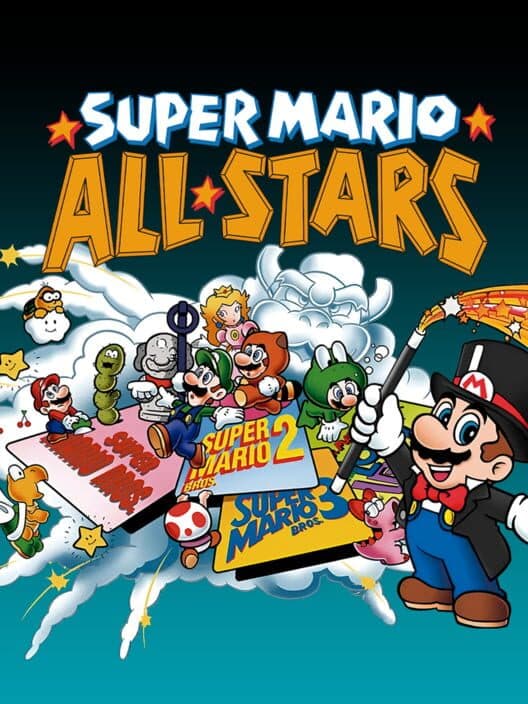
    Super Mario All-Stars, the 'Player's Choice' / 'Nintendo Power' banners, the gray-cart N64 reissues and every Virtual Console release are reprints. They look identical at a glance and trade at a fraction. Verify the box revision and cartridge before paying first-print money.

  2. 02
    Ignoring the box revision on Super Mario Bros.

    SMB has roughly a dozen box variants. The sticker-seal-plus-code cardboard hangtab is the apex first print; later round/oval-seal shrink-wrapped runs are worth dramatically less. On this title the seal type is the grade.

  3. 03
    Confusing the left- and right-facing Bros. on SMB3

    The first-print left-facing 'Bros.' box commands a multiple over the common right-facing run. They are easy to mix up in a listing photo — always confirm the wordmark position before buying as a first print.

  4. 04
    Chasing the sealed apex before the foundation

    A sealed grail with gaps underneath it reads as a trophy, not a collection. Build the loose and CIB foundation first; the grail lands better when it crowns something complete.

The timeline
  1. 1985
    Super Mario Bros. (NES)

    The platformer template; the sticker-sealed first print is the apex collectible in the entire hobby.

  2. 1990
    Super Mario World (SNES)

    The 16-bit anchor; bundled at SNES launch, scarce sealed as a standalone first print.

  3. 1990
    Super Mario Bros. 3 (NES, US)

    The left-facing 'Bros.' first print is the franchise's most famous variant.

  4. 1996
    Super Mario 64 (N64)

    The 3D argument; a sealed first print sold for $1.56M — the record until SMB weeks later.

  5. 2007
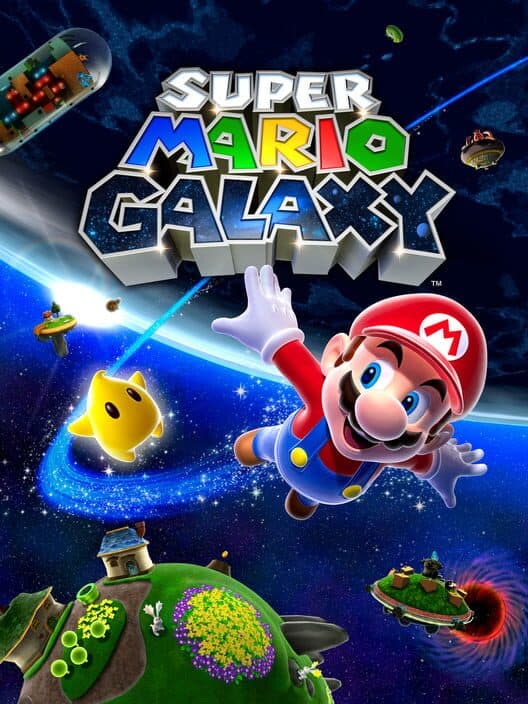
    Super Mario Galaxy (Wii)

    The franchise restated for the motion era; a critical high-water mark.

  6. 2017
    Super Mario Odyssey (Switch)

    The modern flagship; the sandbox return that anchors the Switch-era Mario shelf.

More series