Eighteen franchises
The series that carry enough catalog gravity for their own page — Mario, Zelda, Final Fantasy, Sonic, Metal Gear, Resident Evil, GTA, Pokémon, Halo. Smaller franchises remain as filter tags on the title page.

Super Mario
The medium's defining mascot. Six generations, no decline.
Shigeru Miyamoto

Metroid
Isolation, atmosphere, and the sequence break.
Gunpei Yokoi
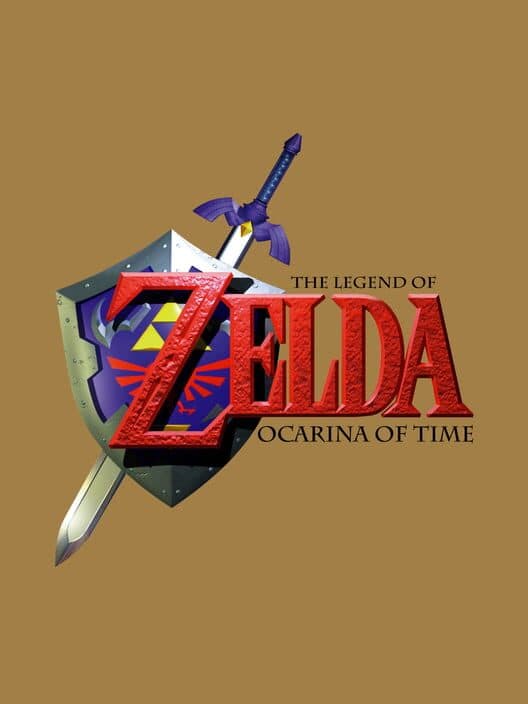
The Legend of Zelda
The action-adventure template, four decades running.
Shigeru Miyamoto
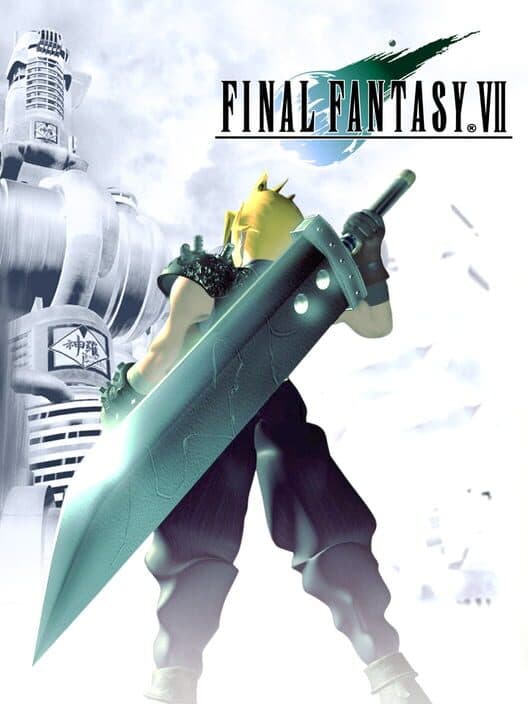
Final Fantasy
The JRPG canon — eight generations, two markets.
Hironobu Sakaguchi (Square)

Sonic the Hedgehog
Sega's signature mascot — the 16-bit challenger.
Yuji Naka, Naoto Ohshima

Metal Gear
Cinematic stealth — Kojima's signature.
Hideo Kojima (Konami)
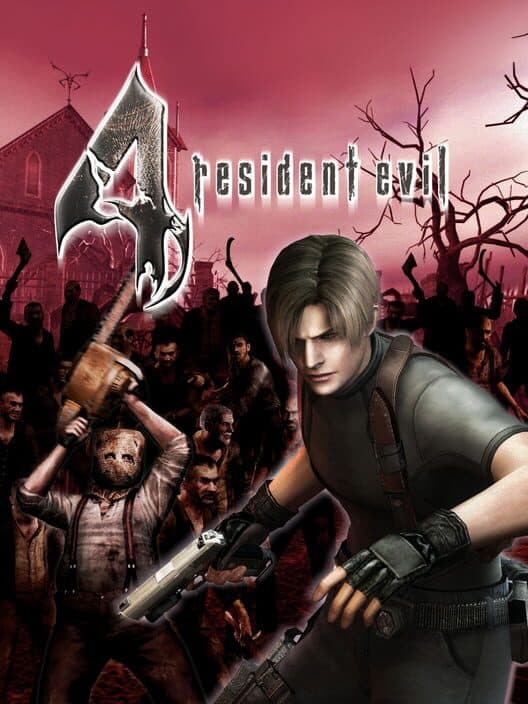
Resident Evil
Survival-horror as console genre.
Shinji Mikami (Capcom)
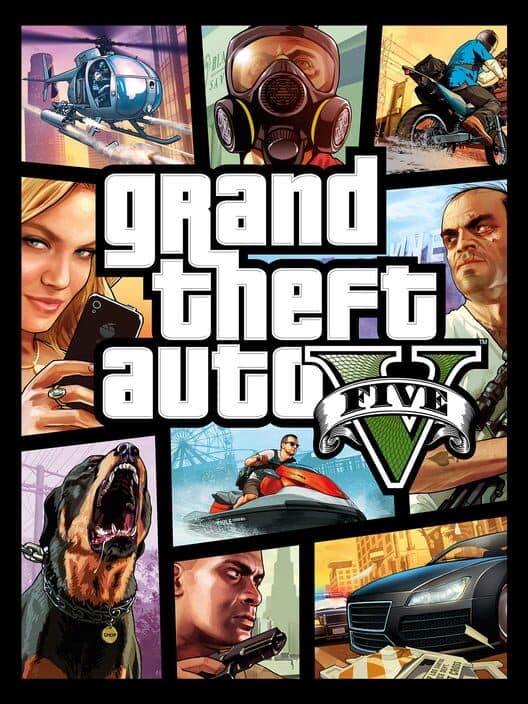
Grand Theft Auto
Open-world template — six platforms, four decades.
DMA Design / Rockstar

Mega Man
Action-platformer canon — Capcom's blue bomber.
Akira Kitamura (Capcom)
Kirby
The pink puzzle of accessibility and depth — HAL's copy-ability platformer.
Masahiro Sakurai (HAL Laboratory)
Rockstar Games
The prestige-blockbuster house — beyond Grand Theft Auto.
Sam & Dan Houser (Rockstar)
Bethesda Game Studios
The open-world RPG house — Elder Scrolls and Fallout.
Todd Howard (Bethesda)
FromSoftware
The studio that made difficulty an art — the Souls lineage.
Hidetaka Miyazaki (FromSoftware)
Blizzard Entertainment
The studio that perfected three genres — the RTS, the action-RPG and the MMO.
Blizzard Entertainment
The Witcher
Geralt of Rivia — and one of the greatest RPGs ever made.
CD Projekt Red
Call of Duty
The blockbuster shooter — and the night-vision goggles in the box.
Infinity Ward (Activision)
Battlefield
Combined-arms multiplayer at scale — DICE's military sandbox.
DICE (EA)
EarthBound
The cult RPG that flopped — and became one of the SNES's most coveted boxes.
Shigesato Itoi (Nintendo / Ape)

Dragon Quest
Japan's national RPG — and a Western scarcity born of indifference.
Yuji Horii (Square Enix)
Tetris
The most-ported game ever — and the cartridge that sold the Game Boy.
Alexey Pajitnov
Spyro the Dragon
The PlayStation's other mascot — Insomniac's purple dragon.
Insomniac Games
Crash Bandicoot
The PlayStation's mascot — Sony's answer to Mario.
Naughty Dog (Andy Gavin & Jason Rubin)
Silent Hill
Fog, dread, and the psychological half of survival-horror.
Keiichiro Toyama (Konami / Team Silent)
Mortal Kombat
Digitized gore, a console war, and the game that created game ratings.
Ed Boon & John Tobias (Midway)
Gran Turismo
The real driving simulator — the racing sim that made the genre.
Kazunori Yamauchi (Polyphony Digital)
God of War
Cinematic brutality — the action game Sony built a flagship on.
David Jaffe (Santa Monica Studio)

Castlevania
Gothic action — and the seed of the Metroidvania form.
Hitoshi Akamatsu (Konami)

Street Fighter
The genre's commercial anchor since 1991.
Capcom

Tekken
The 3D fighting game in its commercial peak.
Seiichiro Okada (Namco)
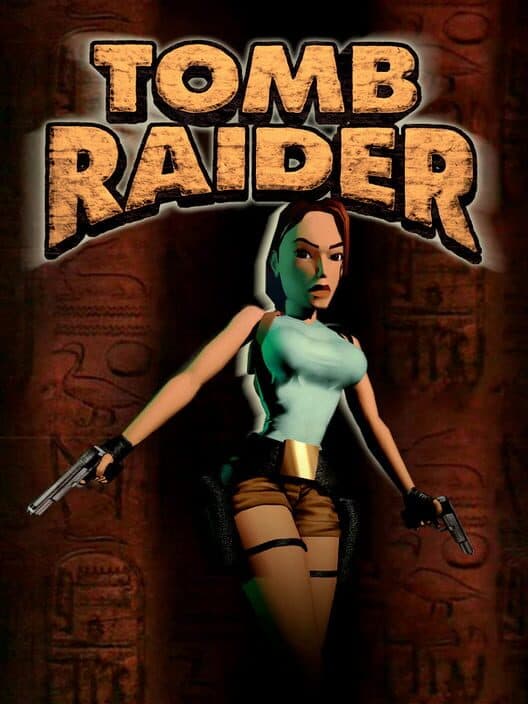
Tomb Raider
The 32-bit polygon era's defining silhouette.
Toby Gard (Core Design)
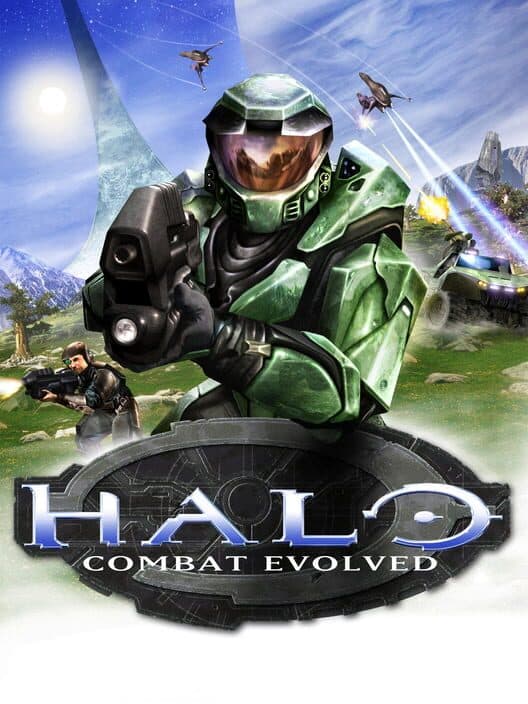
Halo
The launch title that built the second American console.
Bungie
Pokémon
Handheld's defining franchise — three decades, eight generations.
Satoshi Tajiri (Game Freak)
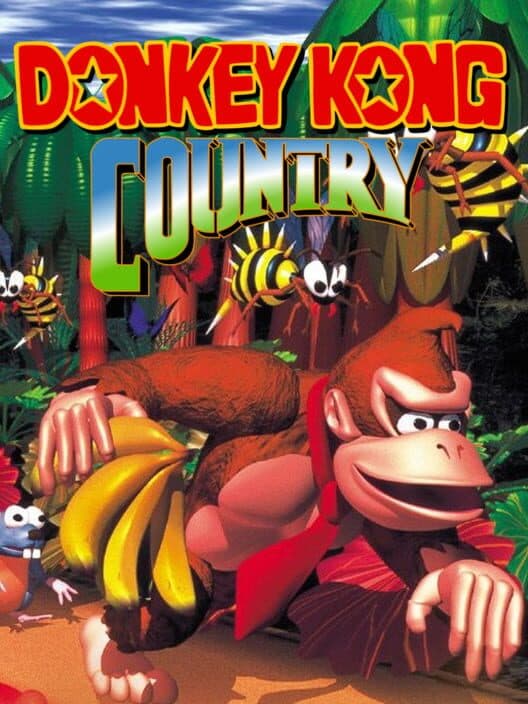
Donkey Kong
Pre-Mario era through Rare's pre-rendered apex.
Shigeru Miyamoto / Rare

Star Wars (Games)
Four decades of licensed canon — LucasArts at the peak.
Multiple (LucasArts era)
Dragon Quest
Japan's other JRPG canon — the genre's actual seed.
Yuji Horii (Enix)
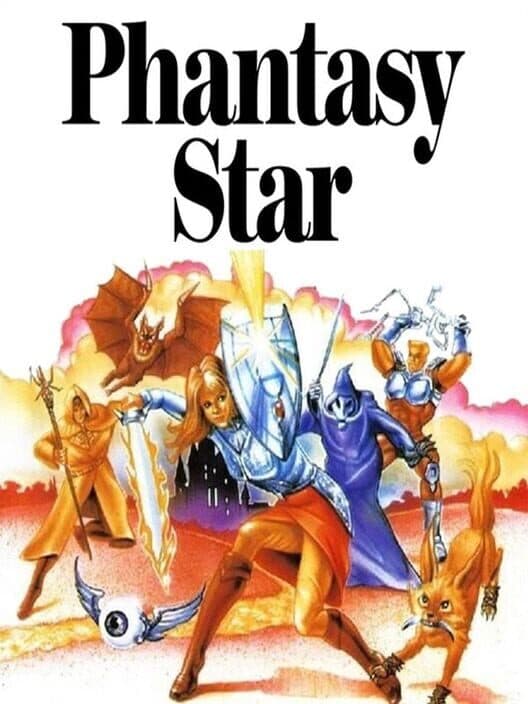
Phantasy Star
Sega's JRPG canon — and the seed of the MMO console era.
Yuji Naka (Sega)