← SERIES
THE COLLECTOR'S ROOM

Metal Gear

The medium's argument for cinema — and a 1998 PS1 Black Label first print that anchors the shelf.

Metal Gear made the case that a video game could be cinema, and won it. Kojima's 1998 PlayStation release deployed full voice acting, cinematic framing, and a self-aware, fourth-wall-breaking design across two discs — and every cinematic narrative game since has worked in the structure it built. Stealth as a primary mechanic, the codec conversation, the boss as character study: the vocabulary is so thoroughly absorbed that it's easy to forget one series authored most of it. The franchise's cultural weight is out of all proportion to its cartridge count.

It collects as a disc-era franchise with an 8-bit root. The value concentrates in the PlayStation first prints — MGS1 Black Label chief among them — with a scarce origin object in the 1988 NES port and a handful of single-console surprises: the GameCube-exclusive Twin Snakes and the small-print Subsistence set. The Japanese Integral and Premium Package editions add an import axis for the completist. Sealed high-grade first prints carry the weight; the Greatest Hits reissues, HD Collections, and Master Collection re-releases stay soft.

Since
1987
Creator
Hideo Kojima
Apex platform
PS1
In the canon
2
The grails

The variants and special editions that define the apex of the franchise — the objects a serious collection is measured against.

The 1998 landmark
Metal Gear Solid — the US Black Label first print

The 1998 PlayStation release that made cinematic storytelling the medium's default ambition — two discs, full voice acting, and a fourth-wall-breaking design no game had attempted. The US Black Label first print, distinct from the later Greatest Hits red-banner reissue, is the canonical NTSC-U object; a high-grade sealed copy is the anchor of any Metal Gear shelf.

€30 loose → four figures sealed
est.
Metal Gear (NES)
The 8-bit origin
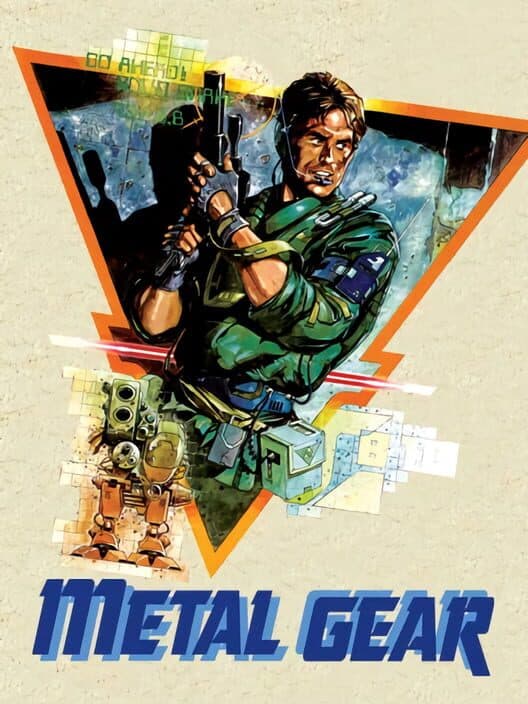
Metal Gear (NES)

The 1988 NES port of Kojima's MSX2 original — a compromised conversion he didn't oversee, but the game that introduced Solid Snake to the West. Its modest sales and licensed-era distribution make a high-grade sealed copy the scarce origin object behind the whole franchise.

€40 loose → four figures sealed
est.
The GameCube remake
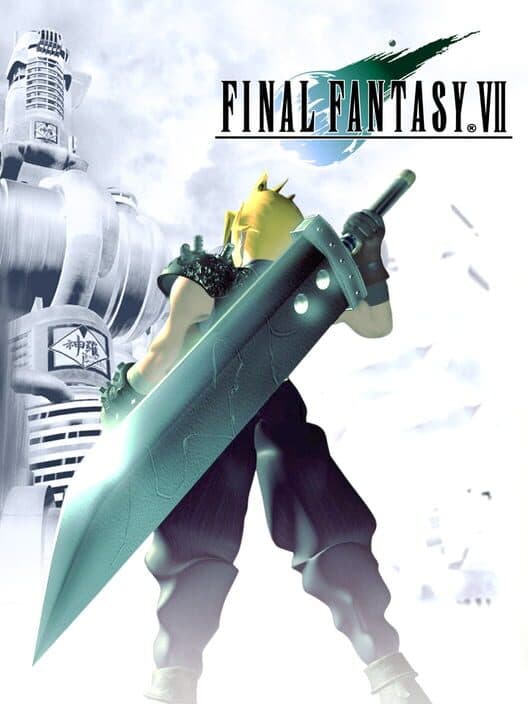
Metal Gear Solid: The Twin Snakes

The 2004 GameCube remake of MGS1, built by Silicon Knights with Nintendo — a one-console exclusive that printed in modest numbers and never reissued. Its GameCube-only status and cult standing make a sealed first print one of the surprise scarcities of the franchise.

€45 loose → four figures sealed
est.
The definitive edition
Metal Gear Solid 3: Subsistence

The 2006 three-disc expansion of Snake Eater — the version with the reworked camera and the bundled MSX originals — printed in smaller numbers than the base Snake Eater release. The Subsistence set, complete, is the collector's MGS3.

€40 loose → high three figures sealed
est.
The apex

The single most-coveted object in the franchise — and where the market actually prints it.

The cinematic landmark
Metal Gear Solid
€30 → four figures

A sealed US Black Label Metal Gear Solid is the anchor of the franchise — the 1998 release that reset what the medium aspired to, in its canonical first-print form. The distinction that governs the price is Black Label versus Greatest Hits: the original 1998 pressing has a solid black spine and no red reissue banner, and it is the only version the collector market treats as the first print. High-grade sealed Black Label copies climb steadily; the Greatest Hits reissue, common and cheap, is a different object entirely.

Sealed (Black Label)
four figures
high-grade US first print
Loose
€30
the play copy
First-print tell
black spine
no Greatest Hits red band
Debut
1998
the two-disc landmark
Market history for the apex is building — daily snapshots and verified sold comps accumulate here.
Where to start

Three entries cover the arc — the landmark, the peak, and the 8-bit origin. Build from the left.

The entry point
Metal Gear Solid

The 1998 landmark, and the cleanest Black-Label-vs-Greatest-Hits lesson the disc era offers. A CIB first print is where the collection begins.

The masterpiece
Metal Gear Solid 3: Subsistence

The consensus peak of the series in its definitive three-disc edition — scarcer than the base Snake Eater and the connoisseur's MGS.

The grail track
Metal Gear

The 1988 NES origin — a scarce, licensed-era first print and the object that introduced Snake to the West.

The canon

2 games across 1 platforms and 2 eras — the Nintendo-published canon, editions consolidated, grouped from the 8-bit foundation to the modern era. Mark what you own; your completion saves on this device.

2 titles tracked
8-bit · The foundation
Modern · Wii & Wii U
The tape

Metal Gear concentrates its value in the PlayStation first prints and a scarce 8-bit origin. MGS1 Black Label is the anchor — a clean black-spine-vs-red-band scarcity story climbing at the sealed tier. Behind it: the 1988 NES port (the rare origin), the GameCube-only Twin Snakes, and the small-print MGS3 Subsistence set. The Japanese Integral and Premium Package editions are the import completist's axis. Everything reissued — Greatest Hits, the HD Collection, the Master Collection — stays soft; the black-spine first prints are the part that moves.

The acquisition plan

A Metal Gear shelf is cheap loose and rewards precision at the sealed tier. The budget concentrates on the PlayStation Black Label first prints and a few single-console scarcities.

Phase 1 — The mainline, loose
€150–€400

Acquire the Solid line loose and complete — MGS1 through MGS4 — plus the NES origin. Cheap, abundant, and the fastest way to learn the Black-Label-vs-Greatest-Hits boxes.

Phase 2 — CIB first prints
€400–€2,000

Upgrade MGS1 and MGS2 to complete Black Label first prints, add the MGS3 Subsistence set and the GameCube Twin Snakes complete, and a CIB NES Metal Gear.

Phase 3 — A sealed grail
€2,000+

One object centres the shelf: a sealed, high-grade US Black Label Metal Gear Solid. The Japanese Integral / Premium Package set is the import lifetime target beside it.

The most common errors
  1. 01
    Buying Greatest Hits as the first print

    The red Greatest Hits banner is the single most common Metal Gear misread. The 1998 Black Label — solid black spine, no banner — is the collectible first print; the reissue is a fraction of the value.

  2. 02
    Overlooking the GameCube Twin Snakes

    A one-console remake that never reissued, Twin Snakes prints far below demand. Complete sealed copies are a genuine scarcity — don't file it next to the common MGS reissues.

  3. 03
    Treating Subsistence and Snake Eater as interchangeable

    MGS3 shipped as base Snake Eater and, later, the three-disc Subsistence. Subsistence is the smaller print and the collector's edition; confirm which set you're buying.

  4. 04
    Skipping the 8-bit origin

    The 1988 NES Metal Gear is where Snake reached the West. A collection that jumps straight to the PlayStation era is missing its own root — and a scarce licensed-era first print.

The timeline
  1. 1988
    Metal Gear (NES)

    The 8-bit port that introduced Solid Snake to the West.

  2. 1998
    Metal Gear Solid (PS1)

    The two-disc landmark that made games cinematic.

  3. 2001
    Metal Gear Solid 2 (PS2)

    Sons of Liberty — the post-modern sequel that split the fanbase.

  4. 2004
    Snake Eater (PS2)

    The Cold War prequel, the consensus series peak.

  5. 2004
    The Twin Snakes (GameCube)

    The one-console MGS1 remake — a small-print surprise.

  6. 2015
    The Phantom Pain (multi)

    Kojima's final Metal Gear before leaving Konami.

More series