← SERIES
THE COLLECTOR'S ROOM

Resident Evil

The game that named survival-horror — and the PlayStation long-box that sits among the most valuable objects on the platform.

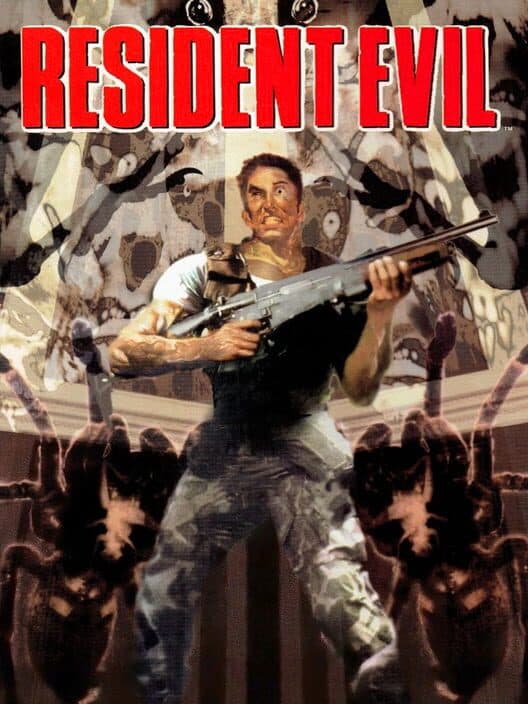
Resident Evil named survival-horror. The 1996 PlayStation original took the haunted-house premise, fixed the camera, starved the player of ammunition, and made dread the core mechanic — and the phrase 'survival horror' on its title screen christened a genre that still runs the industry. Capcom built an entire vocabulary here: the safe room, the inventory-management tension, the door-loading suspense, the B-movie melodrama that became its own aesthetic.

Its collectability has two poles. At one end sits the PlayStation long-box original — a fragile format, a short print window, and a sealed copy that ranks among the most valuable objects on the platform. At the other sits Resident Evil 4, the 2005 reinvention that rebuilt third-person action and whose GameCube first print is the modern anchor. Between them: the PS1 trilogy first prints and the lone Dreamcast chapter. A canon where the genre-founding origin and the genre-redefining sequel are both grails.

Since
1996
Creator
Shinji Mikami
Apex platform
PS1
In the canon
18
The grails

The variants and special editions that define the apex of the franchise — the objects a serious collection is measured against.

Resident Evil — the PS1 long-box
Where survival-horror began
Resident Evil — the PS1 long-box

Shinji Mikami's 1996 PlayStation game named a genre — 'survival horror' — and built it out of a haunted mansion, fixed camera angles, tank controls and a scarcity of ammunition that turned every corridor into a decision. The original NTSC-U release shipped in a long-box, a fragile cardboard format with a short print window, and a sealed long-box copy is now one of the most valuable objects on the entire PlayStation platform.

€35 loose → five figures sealed
est.
Resident Evil 2
The fixed-camera masterpiece
Resident Evil 2

The 1998 sequel doubled everything — two scenarios, two protagonists, Raccoon City overrun — and is, for most of the fanbase, the high point of the fixed-camera era. The PS1 first print is the connoisseur's anchor, a cornerstone of any survival-horror shelf before the Dual Shock and Dreamcast ports muddy the waters.

€30 loose → €300+ sealed
est.
Resident Evil 3: Nemesis
The relentless pursuer
Resident Evil 3: Nemesis

The 1999 PS1 entry introduced the Nemesis — a scripted hunter that chased you across Raccoon City and rewrote what a survival-horror antagonist could be. The PlayStation first print is the original; the GameCube and Dreamcast ports that followed are the common copies collectors mistake for it.

€30 loose → €300+ sealed
est.
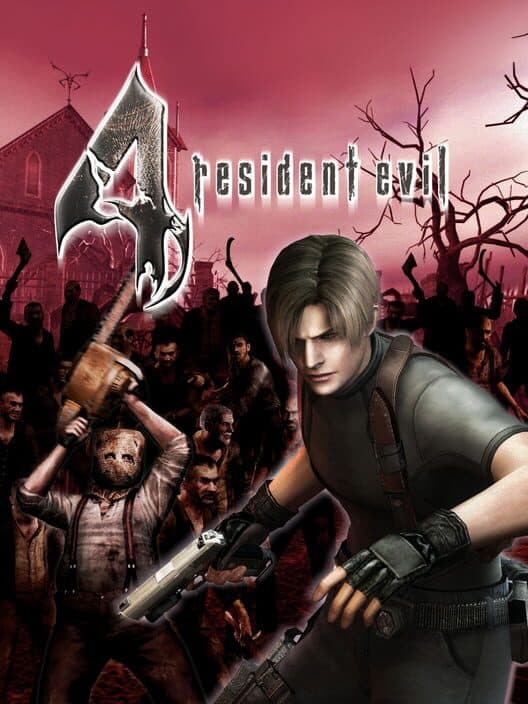
Resident Evil 4
The reinvention
Resident Evil 4

The 2005 GameCube game threw out the fixed camera and built the over-the-shoulder template that every third-person action game has used since. It is the most influential entry in the series and a landmark of its generation; a sealed GameCube first print — before the PS2, Wii and HD ports — is the version that matters.

€32 loose → €600+ sealed
est.
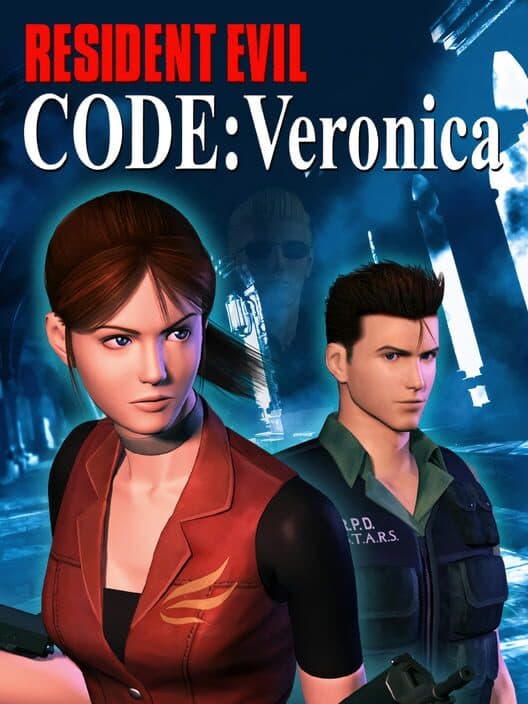
Resident Evil Code: Veronica
The Dreamcast chapter
Resident Evil Code: Veronica

The 2000 game was the first fully-3D Resident Evil — real-time environments instead of pre-rendered backdrops — and a Dreamcast showcase before the platform's collapse. A sealed Dreamcast first print is a tidy, contained grail and the only mainline entry that belongs to Sega's last console.

€32 loose → €450+ sealed
est.
The apex

The single most-coveted object in the franchise — and where the market actually prints it.

The long-box grail
Resident Evil
€35 → five figures

A sealed long-box Resident Evil is the object the whole survival-horror genre traces back to — and the price reflects it. The 1996 game coined the genre and sold strongly, but the original NTSC-U release shipped in a long-box, a fragile cardboard format with a short print window before the jewel-case reissue took over. High-grade sealed survivors are vanishingly rare, and the result is one of the most valuable sealed objects on the entire PlayStation platform. The jewel-case and 'Greatest Hits' copies are the common ones; the long-box first print is the grail.

Sealed (current)
€9,509
long-box first print
Format
long-box
fragile, short window
Loose entry
€35
the play copy
First-print tell
long-box, not jewel
no Greatest Hits spine
Open the title
Current market · three tiers
SEALED€9,509CIB€142LOOSE€35
Sealed · price history
€9,509 0% since 7 Jun
€9,509€9,5097 Jun
Resident Evil
Artwork
Resident Evil · 2002
The artwork

Official key art across the run — the franchise as the studio drew it.

Resident Evil 2
Artwork
Resident Evil 2 · 1998
Resident Evil 3: Nemesis
Artwork
Resident Evil 3: Nemesis · 1999
The tape

Resident Evil concentrates its value at the two ends of the timeline. The PlayStation long-box original is the headline — a sealed copy ranks among the most valuable objects on the platform, driven by the fragile format and the genre-founding status. Resident Evil 4's GameCube first print is the modern pole. Between them, the PS1 trilogy first prints (RE2 and RE3) and the Dreamcast Code: Veronica are compounding steadily. The jewel-case reissues, Player's Choice, the HD remasters and the Switch ports all stay soft — the long-box, the first prints and RE4 are the part that moves.

The acquisition plan

A Resident Evil shelf is cheap to fill in the middle and brutal at the top. The famous entries are abundant loose; the budget concentrates on the long-box and the PS1 first prints.

Phase 1 — The genre, loose
€120–€400

Acquire RE2, RE3, Code: Veronica, RE4 and the modern entries loose and authentic — they're affordable and they teach you the first-print-vs-port boxes that define the series.

Phase 2 — CIB first prints
€500–€2,500

Upgrade to complete-in-box first prints — the PS1 trilogy, the GameCube RE4 and REmake, and Dreamcast Code: Veronica — before the Dual Shock, Player's Choice and HD reissues.

Phase 3 — The long-box grail
€3,000+

One object is the centre of gravity: a sealed long-box Resident Evil. It is the genre's root and one of the most valuable sealed objects on PlayStation — the lifetime target of a survival-horror collection.

The most common errors
  1. 01
    Buying the jewel-case RE as the long-box first print

    The original NTSC-U Resident Evil is a long-box; the later jewel-case and 'Greatest Hits' copies trade at a tiny fraction. The format IS the collectible — verify the long-box before paying first-print money.

  2. 02
    Confusing the Dual Shock / Director's Cut with the original

    Resident Evil was reissued as Director's Cut and Dual Shock Ver., and RE2 in a Dual Shock edition — distinct objects, not the launch first prints. Know exactly which printing you're buying.

  3. 03
    Buying an RE4 port as the GameCube first print

    Resident Evil 4 was ported to PS2, Wii, and every modern platform. The 2005 GameCube first print is the collectible version — the ports are the common copies and trade at a discount.

  4. 04
    Chasing the long-box before the foundation

    A sealed grail with gaps underneath it reads as a trophy, not a collection. Build the loose and CIB foundation first; the grail lands better when it crowns something complete.

The timeline
  1. 1996
    Resident Evil (PS1)

    Survival-horror is named and born; the long-box first print is the grail.

  2. 1998
    Resident Evil 2 (PS1)

    Two scenarios, Raccoon City overrun — the fixed-camera masterpiece.

  3. 1999
    Resident Evil 3: Nemesis (PS1)

    The scripted pursuer rewrites the survival-horror antagonist.

  4. 2002
    Resident Evil REmake (GameCube)

    The definitive remake — still the benchmark for the form.

  5. 2005
    Resident Evil 4 (GameCube)

    The over-the-shoulder reinvention that reset third-person action.

  6. 2017
    Resident Evil 7 (multi)

    First-person horror returns the series to dread and to form.

More series