← SERIES
THE COLLECTOR'S ROOM

Final Fantasy

The game that named itself a last resort — and built the JRPG. Eight generations, two markets, one crystal.

No franchise carries the JRPG the way Final Fantasy does. Square named it for a last resort — Hironobu Sakaguchi's intended swan song before bankruptcy in 1987 — and instead built the template the whole genre still works against. Final Fantasy VI perfected the 16-bit form; Final Fantasy VII (1997) moved the genre West and turned a Japanese niche into a global blockbuster; the series has anchored a marquee entry on nearly every console since.

The collectability runs on a quirk no other franchise has: the localisation gap. Only the first, fourth and sixth Japanese entries reached the West before the PlayStation, so the SNES masterpiece shipped as 'Final Fantasy III' and the fourth as 'Final Fantasy II'. The box number rarely matches the canonical number — the single most important fact a Final Fantasy collector has to internalise, and exactly the terrain Hangtabd is built to map.

Since
1987
Creator
Hironobu Sakaguchi
Apex platform
PS1
In the canon
23
The grails

The variants and special editions that define the apex of the franchise — the objects a serious collection is measured against.

Final Fantasy — sealed NES first print
The origin grail
Final Fantasy — sealed NES first print

Square was nearly bankrupt in 1987; Hironobu Sakaguchi called this his 'final fantasy' — the game he'd make before quitting the industry. It saved the company and founded the genre. The 1990 US NES release on a grey cartridge is the origin grail: a graded sealed first print reached the mid-five figures at the 2021 peak, and the title itself is the most important budget gamble in the medium.

€48 loose → high five figures sealed
est.
Final Fantasy VI — the 16-bit masterpiece
Shipped as 'Final Fantasy III'
Final Fantasy VI — the 16-bit masterpiece

The 1994 SNES masterpiece — Kefka, the opera scene, the ensemble cast — shipped in North America as 'Final Fantasy III' because only the first, fourth and sixth Japanese entries had been localised. The renumbering is the franchise's defining collector trap and its highest-value cartridge: a sealed first-print 'Final Fantasy III' is the most expensive mainline Final Fantasy object on the market.

€70 loose → €11,000+ sealed
est.
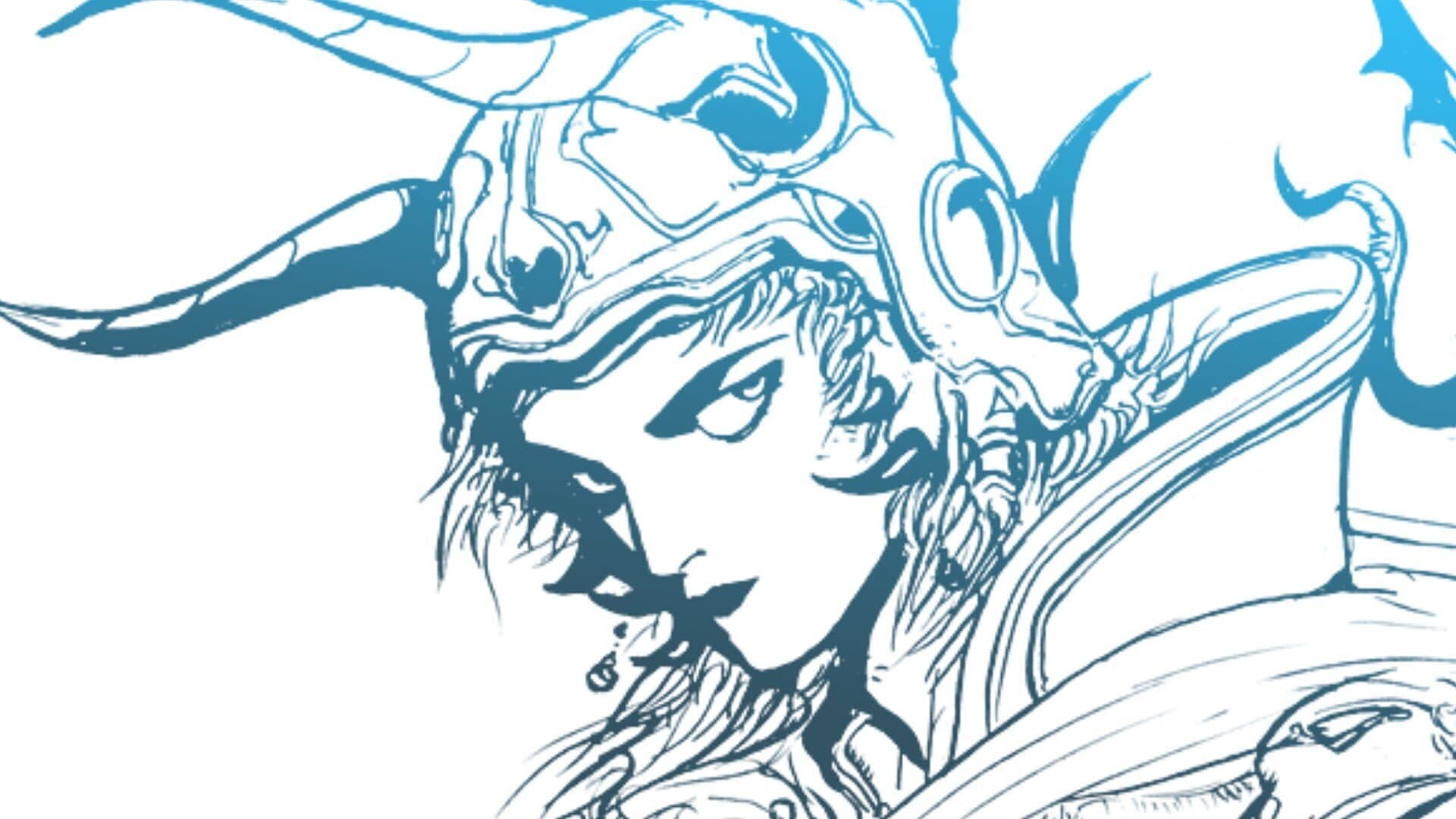
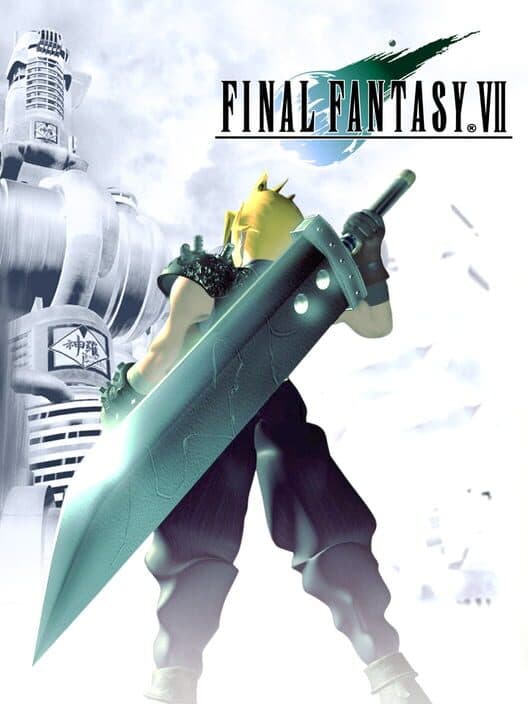
Final Fantasy VII — black-label first print
The global breakthrough
Final Fantasy VII — black-label first print

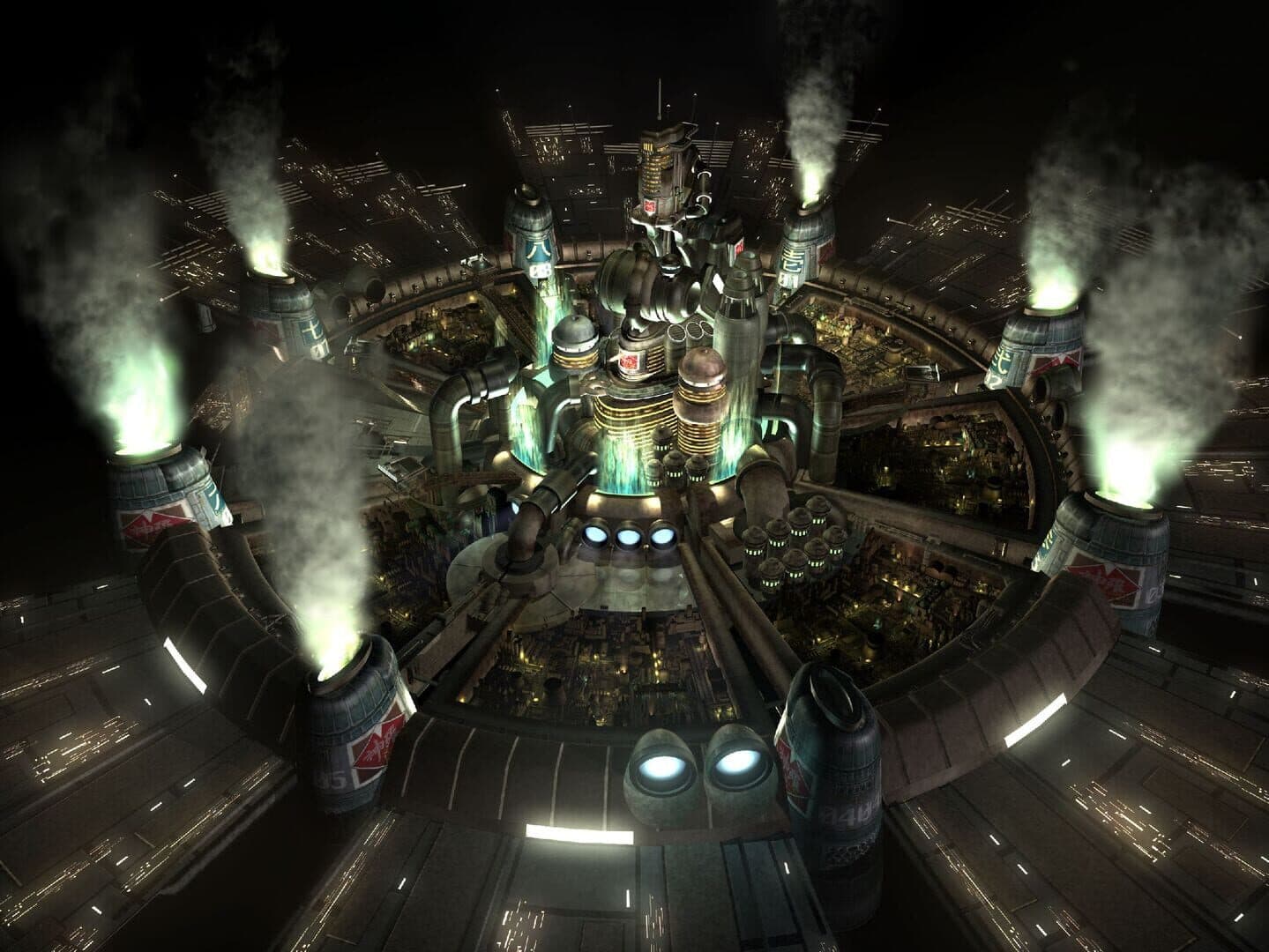
The 1997 PlayStation entry moved the JRPG West for good — Cloud, Sephiroth, Aerith, three discs, pre-rendered worlds. It was mass-produced, so even sealed it stays attainable; the collector distinction is the original SCUS black-label print versus the later 'Greatest Hits' green-spine reissue. The most culturally important Final Fantasy, and the cleanest first-print-vs-reprint lesson on PS1.

€24 loose → €900+ sealed
est.
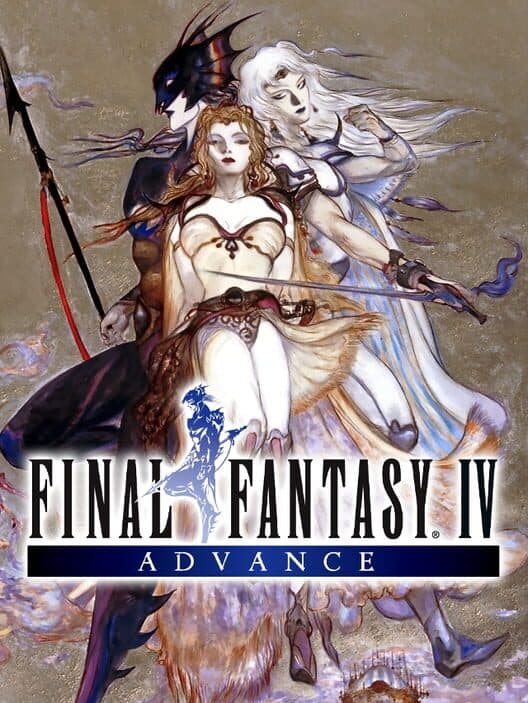
Final Fantasy IV — the ATB leap
Shipped as 'Final Fantasy II'
Final Fantasy IV — the ATB leap

The 1991 SNES entry introduced the Active Time Battle system and shipped in the US as 'Final Fantasy II'. The first-print box (no 'Player's Choice' banner) is the chase; the renumbering means the box you want says 'II' but the game is the fourth — exactly the kind of precision the catalogue exists to track.

€40 loose → €3,000+ sealed
est.
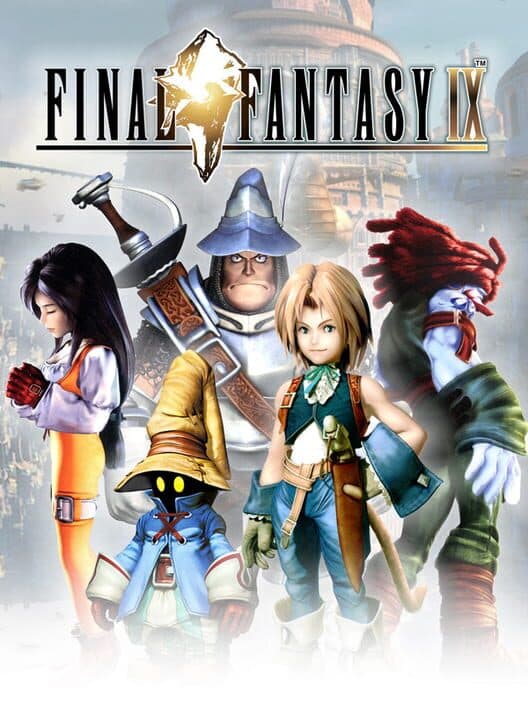
Final Fantasy IX — the classicist's farewell
The PS1 send-off
Final Fantasy IX — the classicist's farewell

Sakaguchi's personal favourite and a deliberate return to the medieval, crystal-driven roots after VII and VIII went modern — the last Final Fantasy of the original era. A first-print sealed copy is an undervalued cornerstone of a PS1 Final Fantasy run.

€18 loose → €600+ sealed
est.
The apex

The single most-coveted object in the franchise — and where the market actually prints it.

Final Fantasy
Final Fantasy · NES · 1990
The origin grail
Final Fantasy
€48 → high five figures

A sealed first-print Final Fantasy is the franchise's origin grail. In 1987 Square was nearly insolvent and Hironobu Sakaguchi planned to leave the industry; he named the game his 'final fantasy', it became a hit, and it founded the JRPG. The 1990 US NES release on a grey cartridge is the object that carries that story — high-grade WATA sealed copies reached the mid-five figures at the 2021 market peak, and even off it a graded sealed first print remains a five-figure cornerstone.

Sealed (WATA 9.4)
€5,250
Heritage, 2026
The name
the 'final' game
Square's last gamble
Loose entry
€48
the grey cart
First-print tell
no 'Greatest Hits'
black-label era
Open the title
Current market · three tiers
SEALED€5,400CIB€195LOOSE€48
Sealed · price history
€5,400 0% since 7 Jun
WATA 9.0 A · €2,680 · 14 Apr · Heritage AuctionsWATA 9.4 A+ · €5,250 · 5 May · Heritage Auctions€5,400€2,6807 Jun
2 verified sold comps · line = daily price snapshot
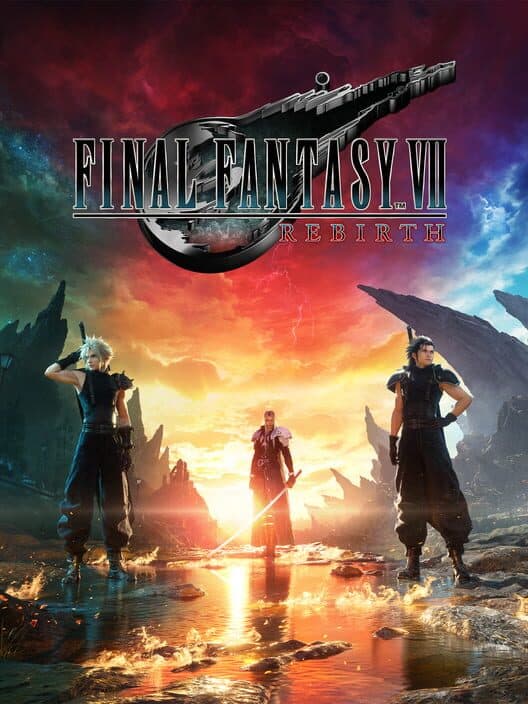
Final Fantasy VII
Artwork
Final Fantasy VII · 1997
The canon

23 games across 10 platforms and 9 eras — the Nintendo-published canon, editions consolidated, grouped from the 8-bit foundation to the modern era. Mark what you own; your completion saves on this device.

23 titles tracked
Modern · Wii & Wii U
Modern · The Switch era
The artwork

Official key art across the run — the franchise as the studio drew it.

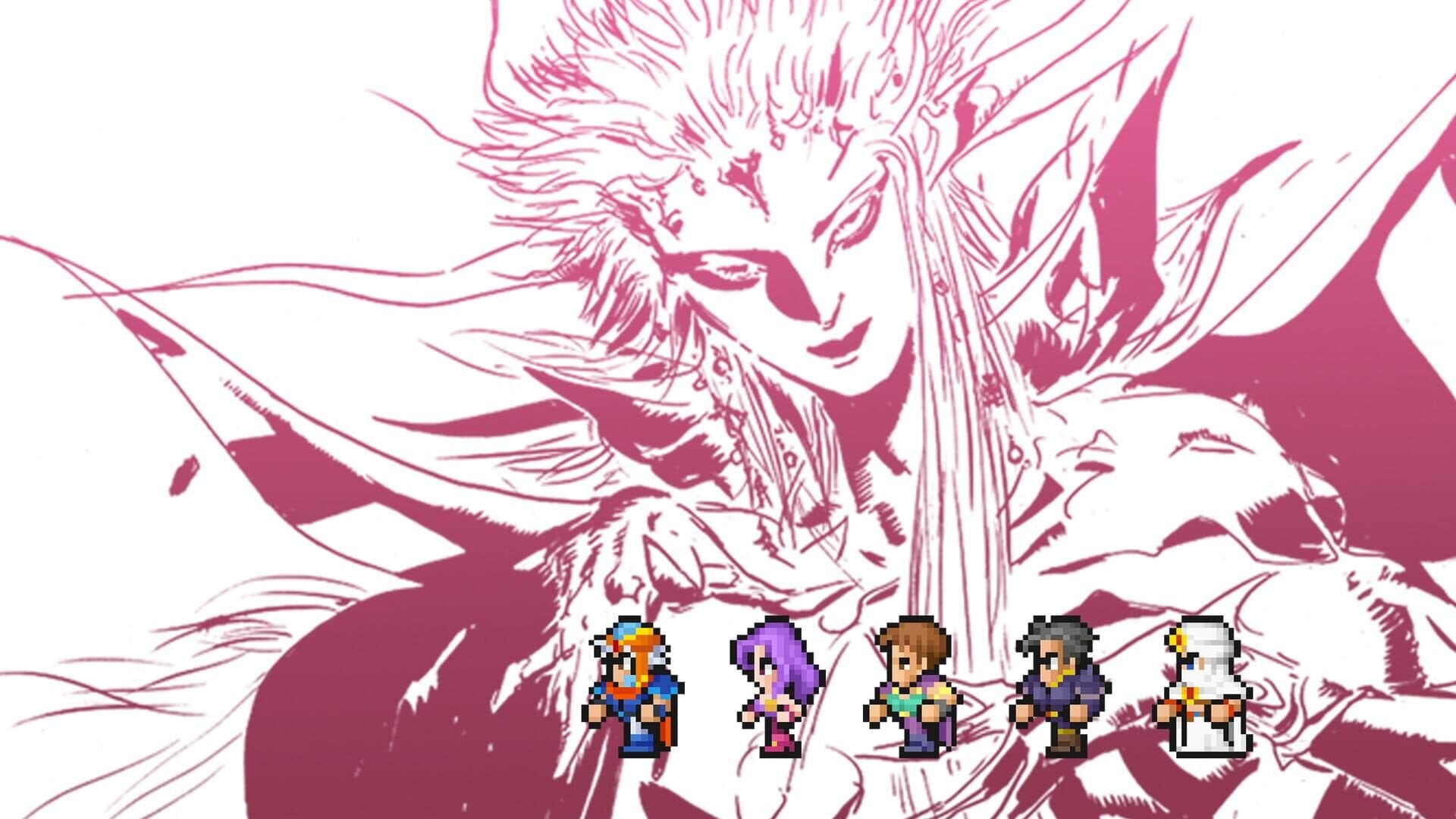
Final Fantasy IV
Artwork
Final Fantasy IV · 1991
Final Fantasy II
Artwork
Final Fantasy II · 1988
Final Fantasy XIV
Artwork
Final Fantasy XIV · 2013
Final Fantasy
Artwork
Final Fantasy · 1987
The tape

Final Fantasy is a blue chip with two distinct floors. The pre-PlayStation cartridges — the NES original and the SNES 'Final Fantasy II / III' (really IV and VI) — are genuinely scarce sealed and anchor the top of the market; the SNES masterpiece is the single most valuable mainline object. From VII onward the print runs balloon: the PlayStation and PS2 entries were mass-produced, so sealed copies stay attainable and the value is in black-label-vs-reissue first prints, not raw scarcity. The localisation-gap cartridges are the only part of the curve that compounds hard.

The acquisition plan

A Final Fantasy shelf splits cleanly in two: the scarce pre-PlayStation cartridges, and the attainable disc era. Build the discs fast and cheap, then spend the real budget on the cartridge grails.

Phase 1 — The disc era, loose
€120–€500

Acquire the PlayStation and PS2 entries — VII, VIII, IX, X, X-2, XII — loose and authentic. They're cheap, they teach you the black-label-vs-Greatest-Hits distinction, and they complete the modern half of the run for less than one sealed cartridge.

Phase 2 — CIB first prints
€1,500–€7,000

Upgrade the anchors to complete-in-box first print: the PlayStation entries with black labels and complete inserts, then the SNES 'Final Fantasy II' (IV) and the prize, 'Final Fantasy III' (VI), first-print boxes without the Player's Choice banner.

Phase 3 — A sealed grail
€7,000+

One graded sealed cartridge becomes the centre of gravity — a sealed 'Final Fantasy III' (VI) is the realistic apex, and the sealed NES original is the lifetime target.

The most common errors
  1. 01
    Reading the box number as the canonical number

    On SNES, 'Final Fantasy II' is the fourth game and 'Final Fantasy III' is the sixth — the localisation gap renumbered them. Buy the game, verify the title screen, and never assume the number on the box is the entry in the series.

  2. 02
    Buying the Greatest Hits as the first print

    The PlayStation entries were reissued as 'Greatest Hits' with a green spine. They look identical at a glance and trade at a fraction. On FFVII especially, the black-label SCUS first print is the only one that carries first-print money.

  3. 03
    Paying scarcity prices for the disc era

    FFVII through FFXII were mass-produced. A sealed PlayStation Final Fantasy is a three-figure object, not a grail — the scarcity, and the real value, lives in the pre-PlayStation cartridges.

  4. 04
    Chasing the sealed apex before the foundation

    A sealed cartridge grail with gaps underneath it reads as a trophy, not a collection. Build the loose and CIB foundation first; the grail lands better when it crowns something complete.

The timeline
  1. 1987
    Final Fantasy (NES)

    Square's intended swan song; it founded the JRPG instead. The origin grail.

  2. 1991
    Final Fantasy IV (SNES, as 'II')

    The Active Time Battle system; shipped renumbered in the West.

  3. 1994
    Final Fantasy VI (SNES, as 'III')

    The 16-bit masterpiece and the most valuable mainline cartridge.

  4. 1997
    Final Fantasy VII (PS1)

    The global breakthrough; the black-label first print is the collector distinction.

  5. 2001
    Final Fantasy X (PS2)

    The PS2-era anchor and the series' first voice acting.

  6. 2023
    Final Fantasy XVI (PS5)

    The action-led modern entry; the run continues into its fifth decade.

More series