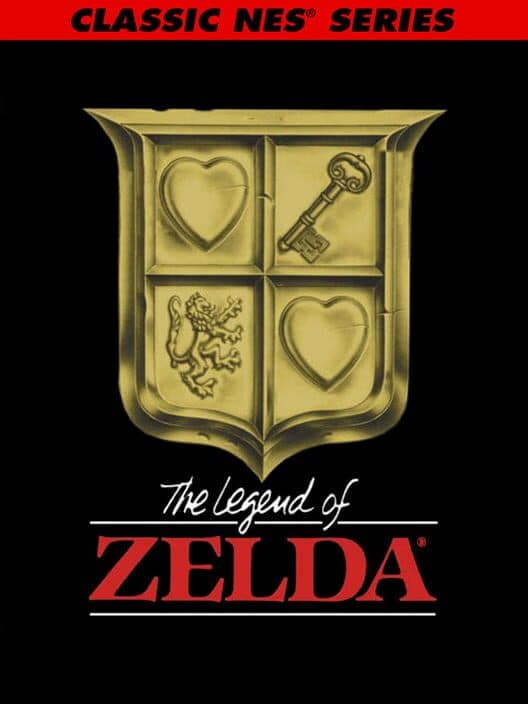
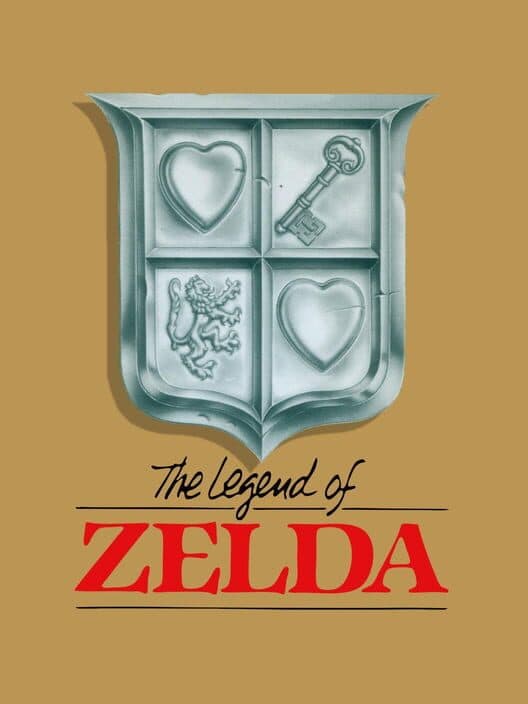
The first Legend of Zelda for the NES shipped on a gold cartridge — the most recognisable game label ever printed. Loose is attainable for any collector; a WATA-graded sealed first print set the all-time record for the hobby at $870,000.
The most collected adventure in gaming — and the deepest first-print rabbit hole in the hobby.
No franchise rewards a collector the way Zelda does. It spans every Nintendo platform from the 1986 Famicom Disk System through the Switch, it anchors three of the most valuable sealed titles ever sold, and — crucially — almost every entry has a documented first-print variant that separates the casual buyer from the serious one. A Zelda shelf is legible: anyone who knows the hobby can read your commitment from across the room.
The collectability is structural, not nostalgic. The NES gold cartridges, the SNES player's-choice reprints, the gold-foil Ocarina first run, the misprinted GameCube bonus discs — each game carries a print-window story that the market prices precisely. That is exactly the terrain Hangtabd is built for: the franchise where the variant matters as much as the title.

The variants and special editions that define the apex of the franchise — the objects a serious collection is measured against.

The first Legend of Zelda for the NES shipped on a gold cartridge — the most recognisable game label ever printed. Loose is attainable for any collector; a WATA-graded sealed first print set the all-time record for the hobby at $870,000.

The 1998 first run carries a gold-foil 'Collector's Edition' sticker on the box. The later gray-cart Player's Choice reissue trades at a fraction. The gold-foil sealed copy is the most compounding N64 object in the market.
The N64 Majora's Mask shipped with a holographic foil box and an 8MB-pak-dependent gold-tinted cartridge. The holographic first print is the variant the market chases — and the centre of several famous high-end Zelda lots, watch-and-display sets included.
The 2003 GameCube 'Collector's Edition' bonus disc bundled four Zelda games (the two NES titles, Ocarina, Majora) plus a Wind Waker demo — distributed through promotions, never sold at retail in the normal channel. A sealed copy is a cornerstone GameCube-era Zelda object.

The Ocarina of Time: Master Quest disc was the GameCube Wind Waker preorder bonus — a remixed, harder Ocarina. The sealed sleeve copies are scarcer than the games they shipped beside.
The single most-coveted object in the franchise — and where the market actually prints it.
A sealed first-print Legend of Zelda for the NES is one of a handful of objects that define the apex of the entire hobby. The earliest US sealed copies — the 'NES R' rev-A cardboard hangtab boxes — sit at the very top: a WATA 9.0 A example sold for $870,000 at Heritage in 2021, the high-water mark of the sealed-game market. Even off that peak, a graded sealed first print remains a six-figure object, and the gold cartridge itself is the most recognisable game label ever printed.

46 games across 15 platforms and 7 eras — the Nintendo-published canon, editions consolidated, grouped from the 8-bit foundation to the modern era. Mark what you own; your completion saves on this device.
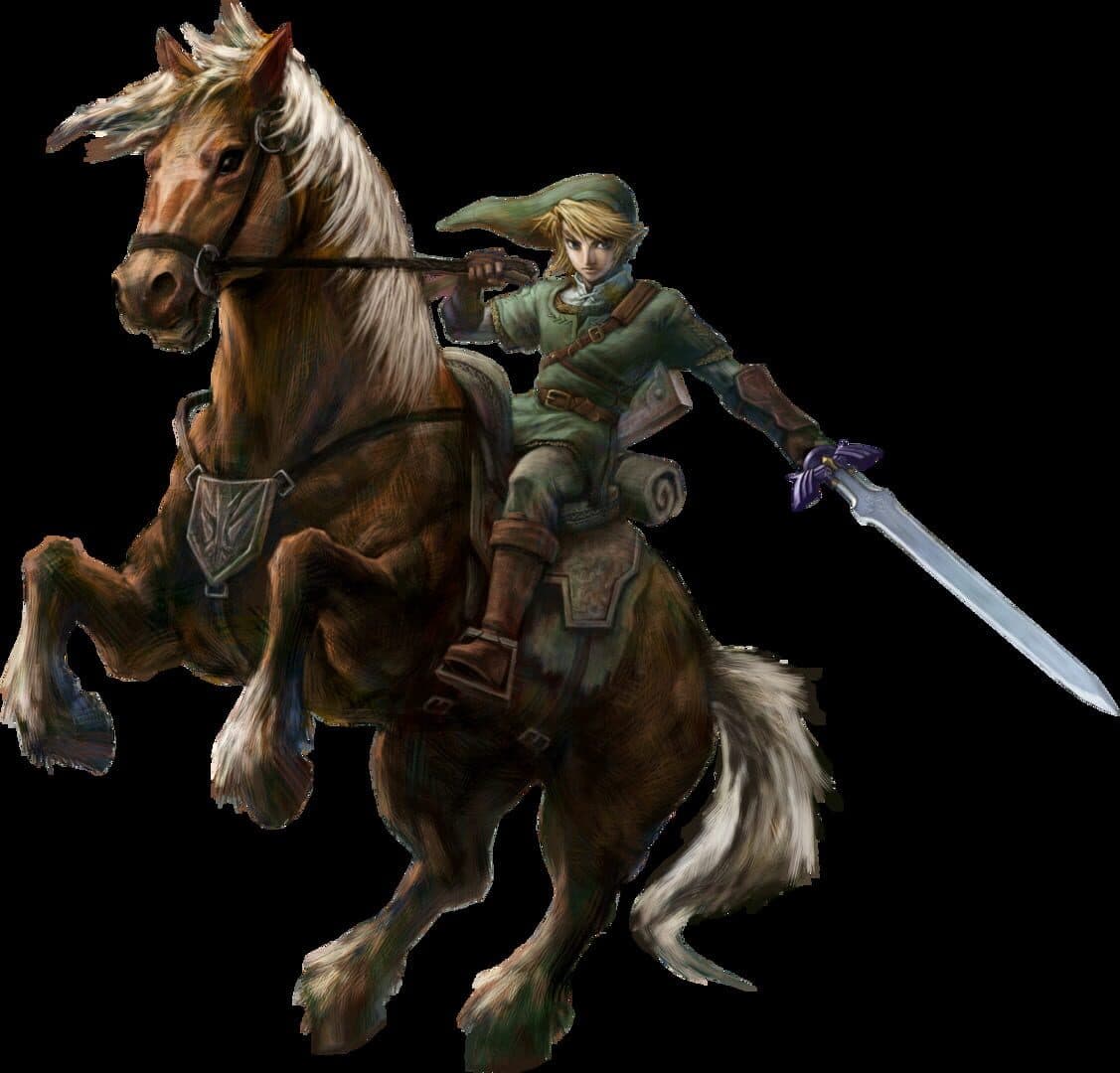
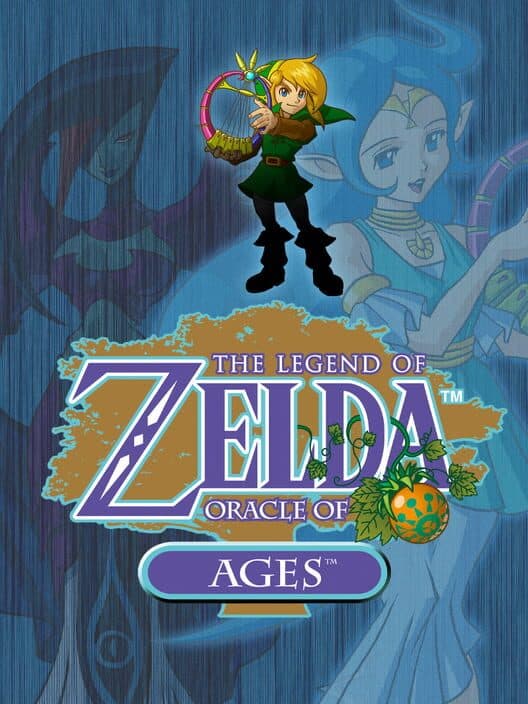
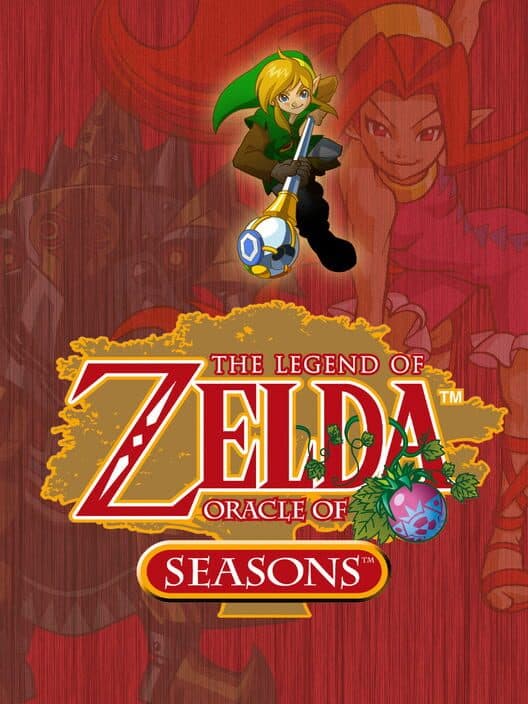
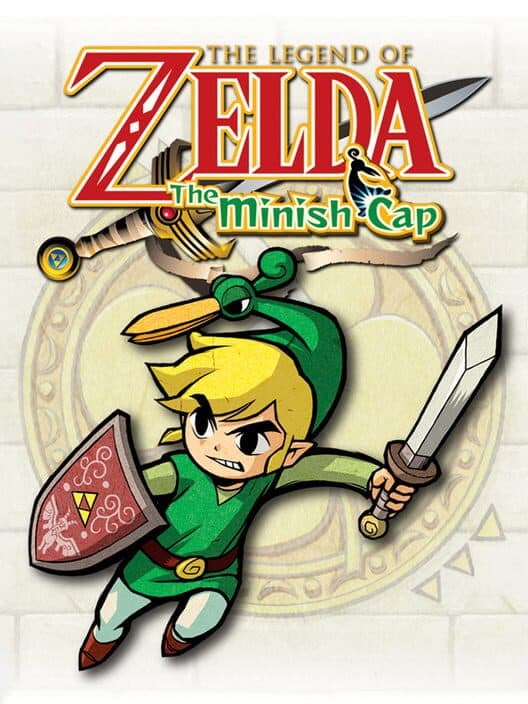
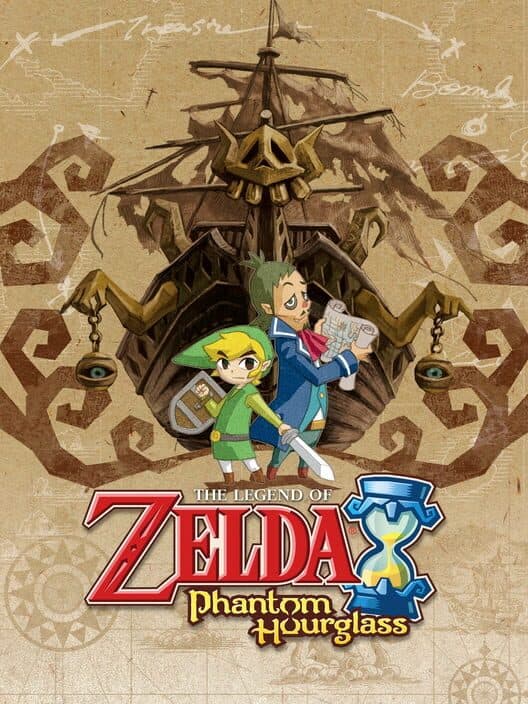
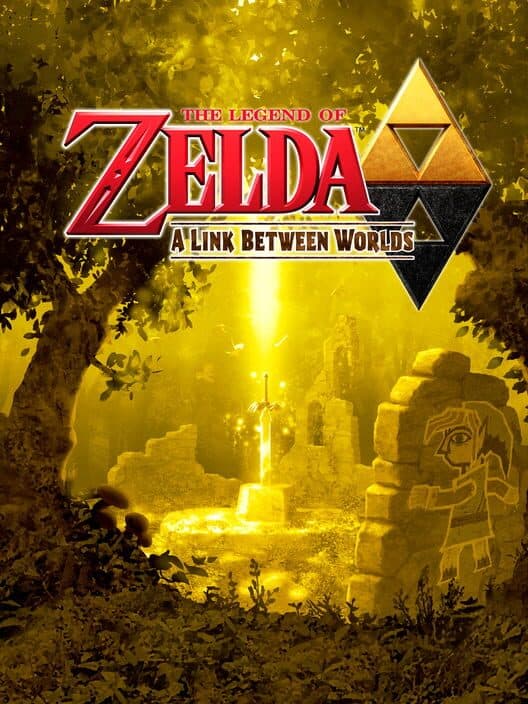
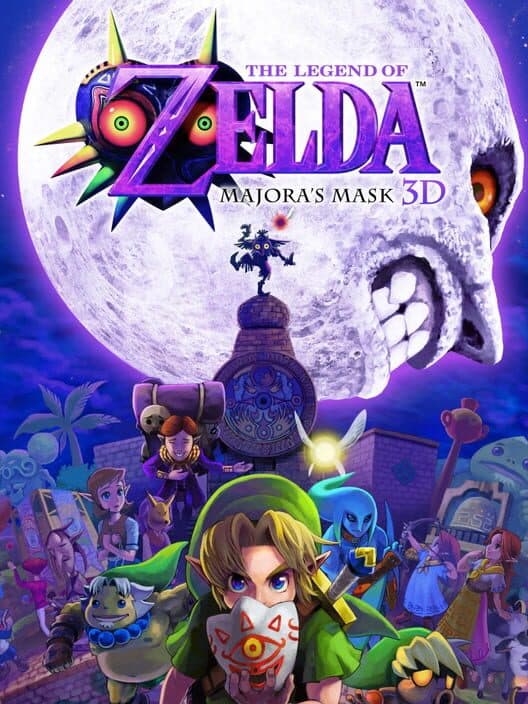
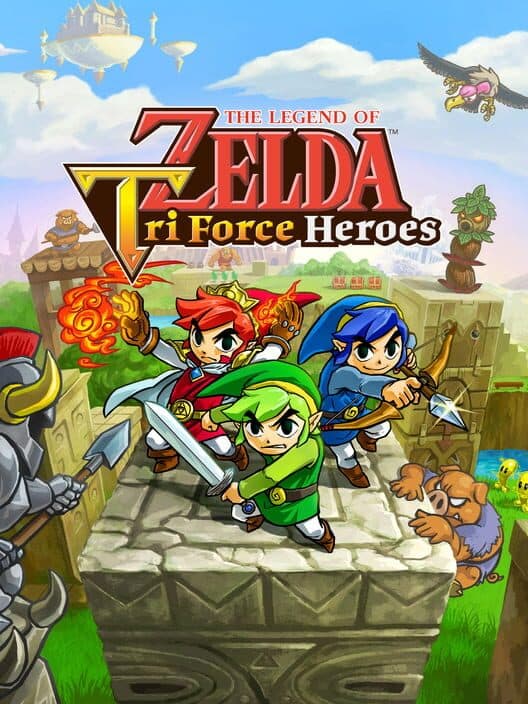
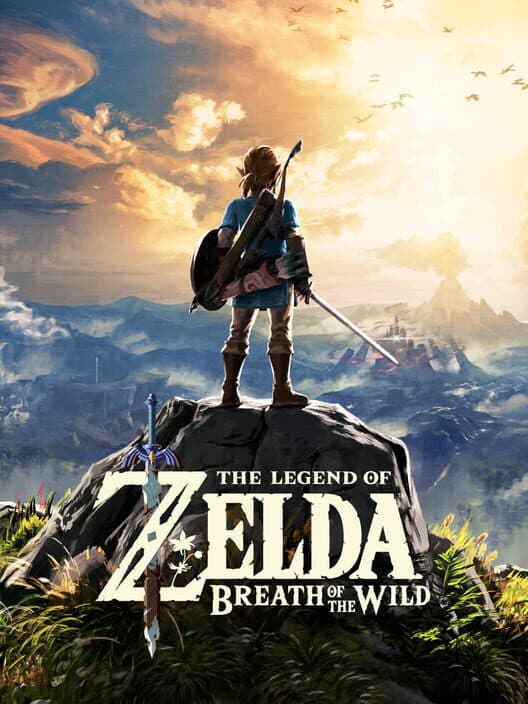
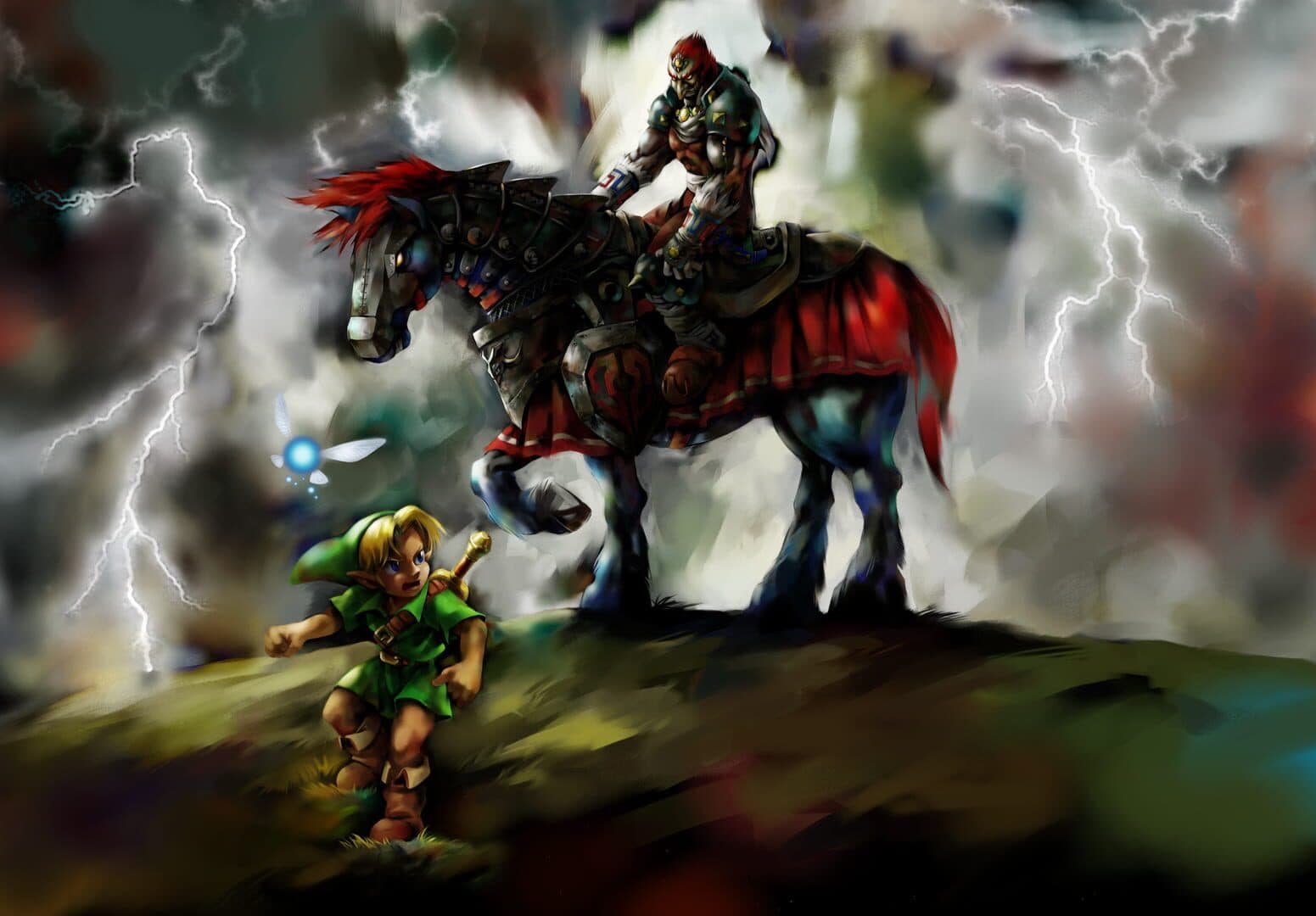
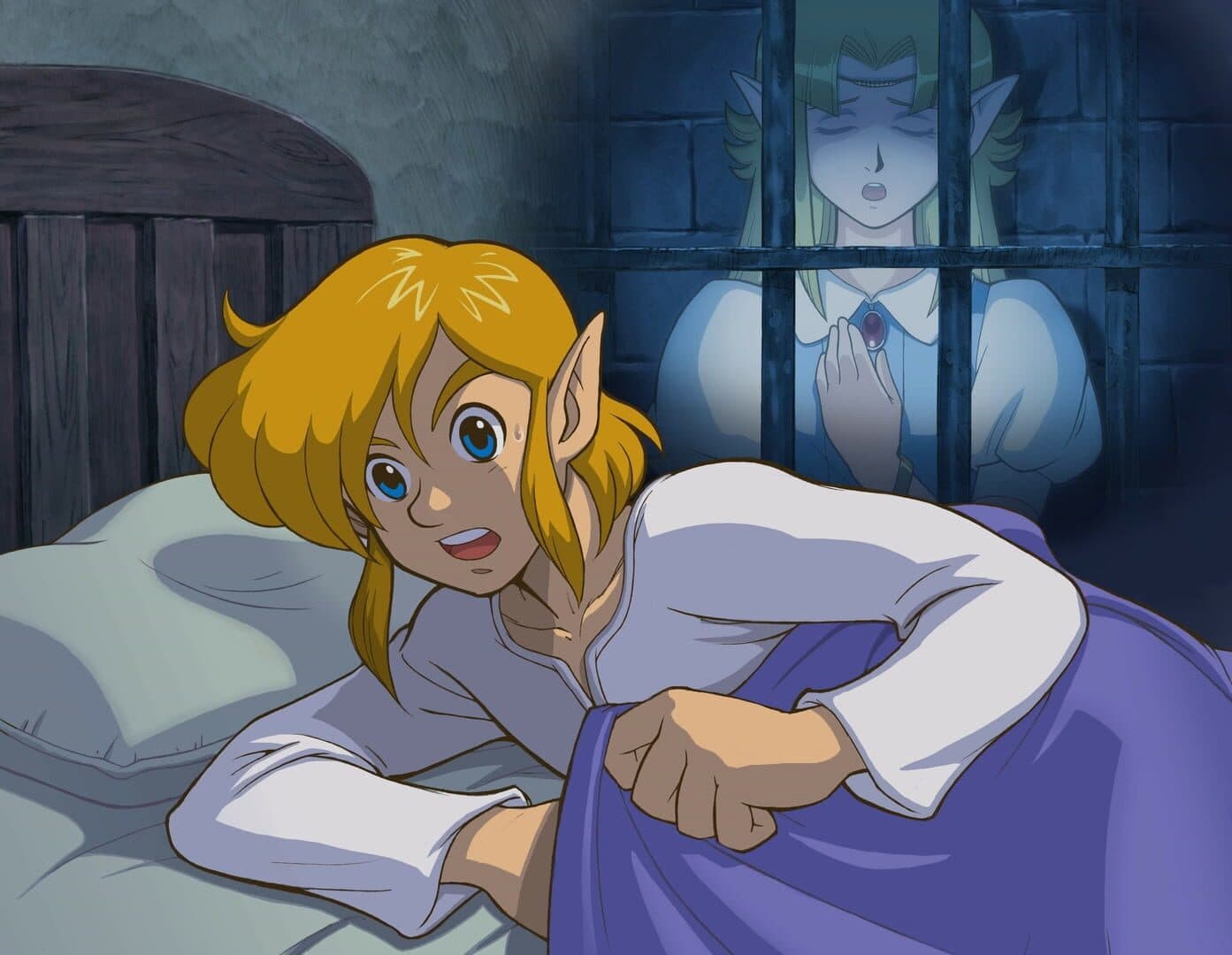
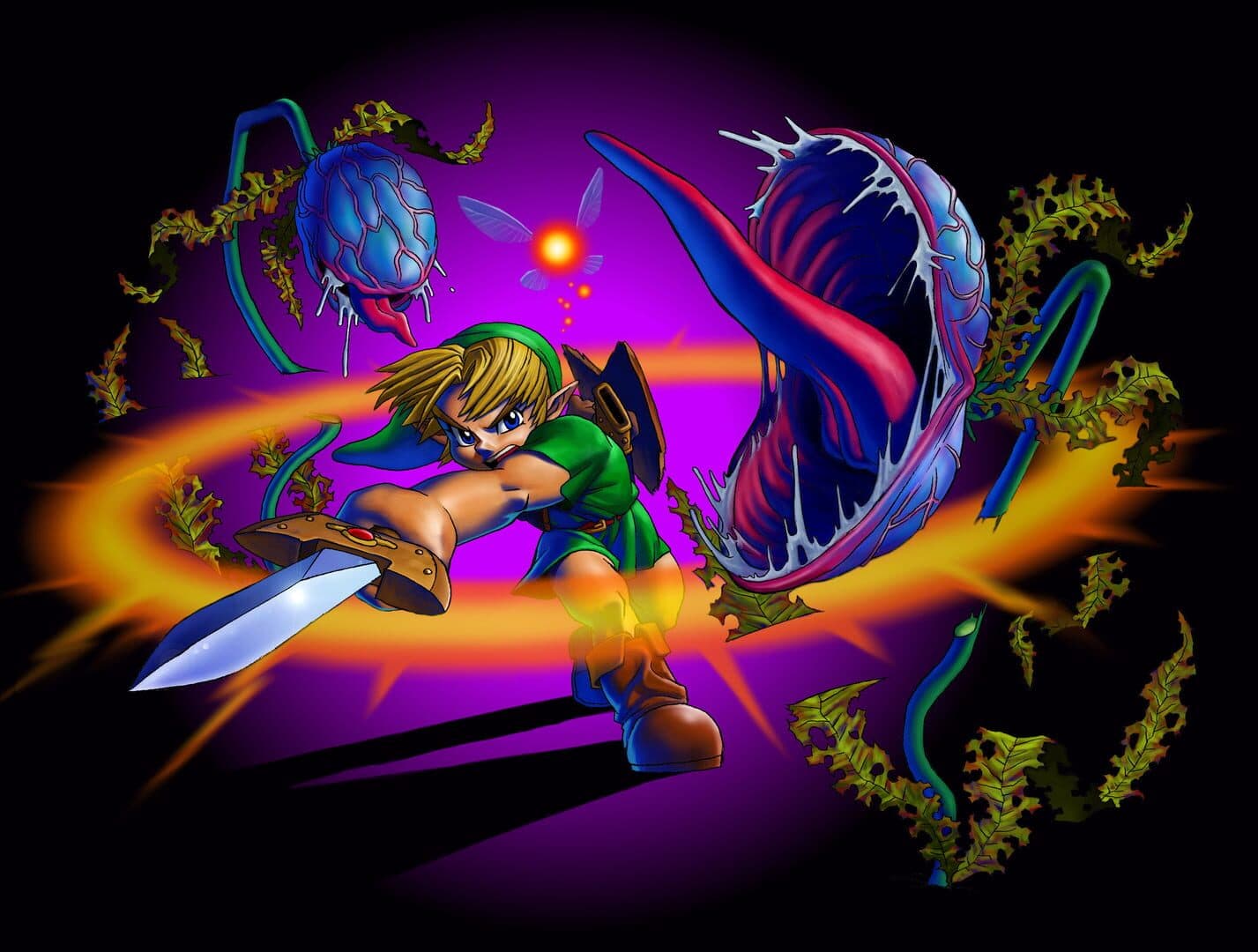
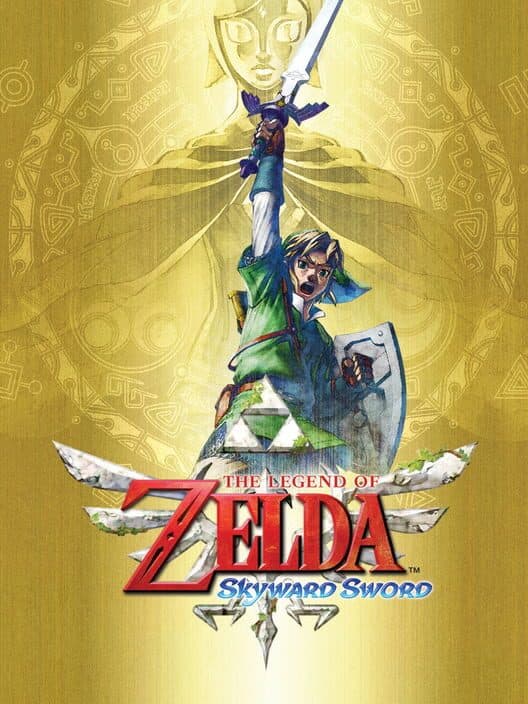
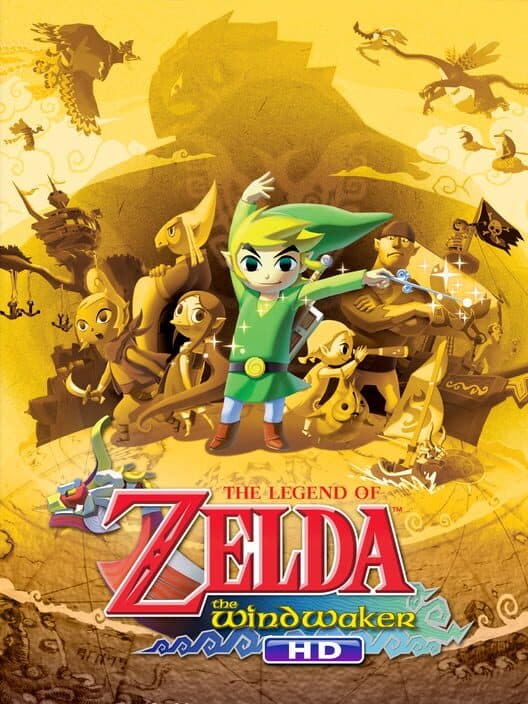
Official key art across the run — the franchise as the studio drew it.


Zelda is the bluest of blue chips. The sealed apex corrected from its 2021 peak like the rest of the high-grade market, but first-print scarcity has held value better than almost any franchise — there is simply nothing else to buy at the top. The mid-market (CIB SNES/N64 first prints) has compounded steadily as the loose-cart generation ages into complete-in-box collecting. Reprints and Player's Choice editions remain soft; first prints remain the only part of the curve that matters.
A complete-looking Zelda shelf is three to five years of patient buying. Build the loose ground floor fast, move to CIB first prints in the middle, and reserve the back third of your budget for one or two sealed grails.
Acquire every mainline title loose, in good condition, authentic carts only. This gets you a complete-playable set, teaches you each game's label revisions, and costs less than one mid-grade sealed box.
Upgrade the anchors to complete-in-box, first print: A Link to the Past (no Player's Choice banner), Ocarina gold-foil, Majora's Mask, Wind Waker with the bonus disc. This is where a Zelda collection starts to read as serious.
One graded sealed first print — most realistically a WATA-graded SNES or N64 entry — becomes the centre of gravity. The NES gold cartridge sealed is the lifetime target; most collectors anchor on a sealed Ocarina or A Link to the Past first.
The 'Player's Choice' / 'Nintendo Power' banners and the gray-cart N64 reissues are reprints. They look identical at a glance and trade at a fraction. Always verify the box revision and cartridge before paying first-print money.
A first-print box with a later-revision cartridge is not a first print. On Zelda especially, the cart label revision is part of the grade — match the box and the cart.
A sealed grail with gaps underneath it reads as a trophy, not a collection. Build the loose and CIB foundation first; the grail lands better when it crowns something complete.
The gold cartridge debuts; the first console game to offer battery save.
The 2D template the whole genre still works against.
The 3D argument; the gold-foil first run is the apex N64 collectible.
Cel-shaded; the preorder bonus disc is the variant collectors track.
The Wii U print run is already the scarce one — a modern first-print story in real time.