The launch title that built a console — a cultural-icon franchise where the prized objects are the helmets and statues in the box.
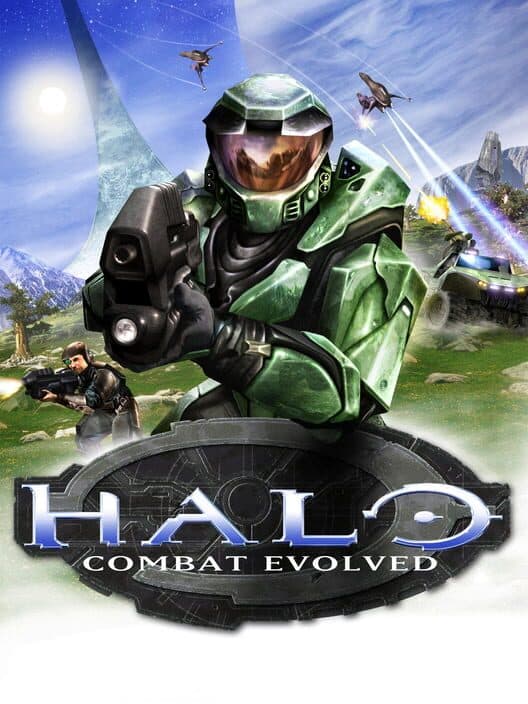
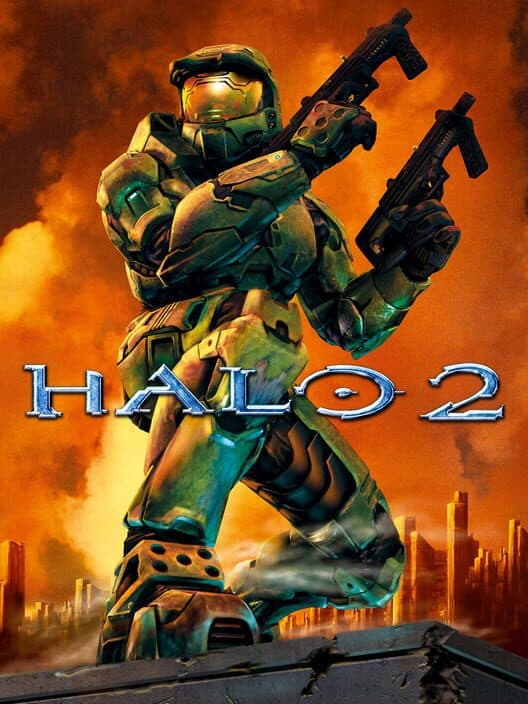
Halo made the Xbox real and reinvented the console shooter. Before 2001 the FPS belonged to the PC; Bungie's launch title rebuilt it for a controller — two weapons, recharging shields, grenades and melee on the bumpers, a sandbox of vehicles and enemies — and gave Microsoft the system-seller it needed to survive its first console generation. Halo 2 then turned Xbox Live into a cultural force, and Halo 3 became the defining event of the 360 era. No franchise is more responsible for the existence of the Xbox brand.
Its collecting market is about culture, not scarcity — with one twist. The mainline discs sold in the tens of millions, so sealed standard copies stay modest: Combat Evolved and Halo 2 sit in the hundreds, the rest lower. The objects that actually carry value are the special editions — the Halo 3 helmet, the Reach statue, the Halo 2 metal case — which were produced in limited numbers and are hard to find complete and undamaged. The grail isn't the disc; it's the box it came in.