← SERIES
THE COLLECTOR'S ROOM

Kirby

Platforming's gentlest on-ramp — and a late-1997 SNES release so scarce its sealed copies cross five figures.

Kirby is the great on-ramp of platforming. HAL Laboratory and a young Masahiro Sakurai built a hero who could float past any obstacle — removing the fail-states that gatekept the genre — and then, in Kirby's Adventure, gave him the copy ability: swallow an enemy and become it. The result is a series that a child can finish and an expert can still find depth in, and a pink mascot that sits in Nintendo's top tier.

Its collecting market is sharper than its soft image suggests, and it concentrates in the cartridge era. The standout is Kirby's Dream Land 3, released so late in the SNES's life — in 1997, after the Nintendo 64 — that it printed in tiny numbers and now commands a five-figure sealed price. Behind it sit the scarce Game Boy Dream Land 2, the lone N64 Crystal Shards, and the fan-favourite Super Star. The modern Switch entries are abundant; the value lives in the 16-bit and 64-bit grails.

Since
1992
Creator
Masahiro Sakurai
Apex platform
SNES
In the canon
17
The grails

The variants and special editions that define the apex of the franchise — the objects a serious collection is measured against.

Kirby's Dream Land 3
The late-release grail
Kirby's Dream Land 3

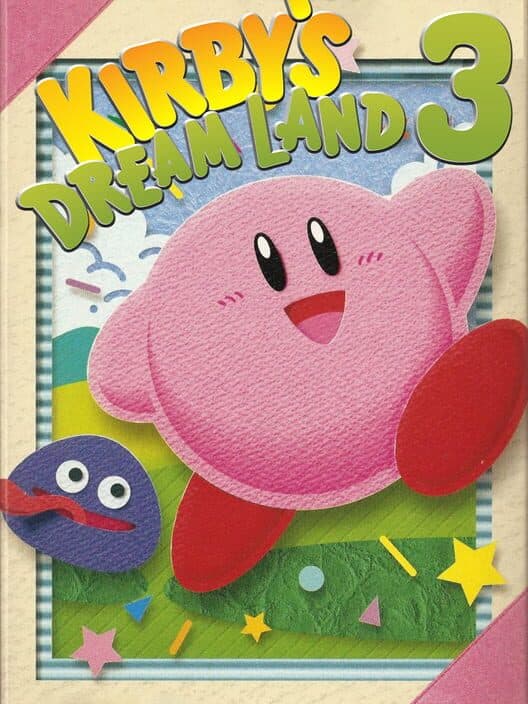
Released in late 1997 — well after the Nintendo 64 had launched — Dream Land 3 arrived on a platform the market had already moved past, and printed in tiny numbers as a result. Its pastel crayon art and co-op gimmick make it a cult favourite, but it's the timing that made it a grail: a sealed first print is one of the scarcest mainline Nintendo platformers of its era and trades into five figures.

€190 loose → five figures sealed
est.
Kirby Super Star
The fan-favourite peak
Kirby Super Star

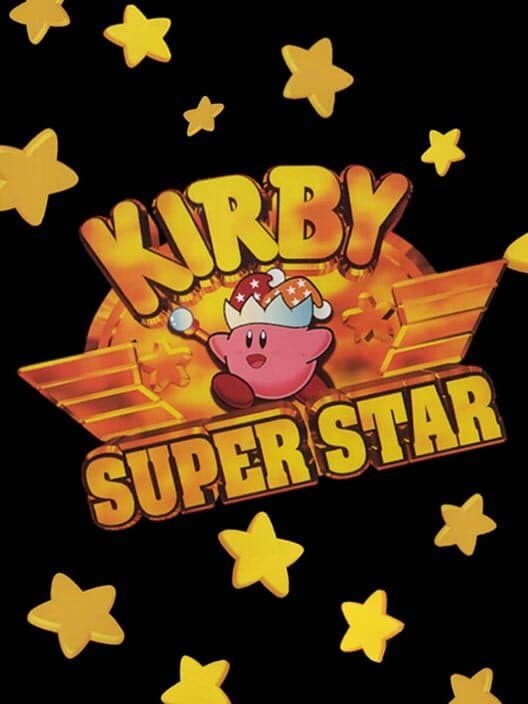
The 1996 SNES entry packed multiple games into one cartridge — the Helper co-op system, the deepest copy-ability toolkit in the series, and the design many fans still call the best Kirby. It sold well, so loose copies are affordable; a high-grade sealed first print is the cornerstone of a 16-bit Kirby shelf.

€64 loose → €800+ sealed
est.
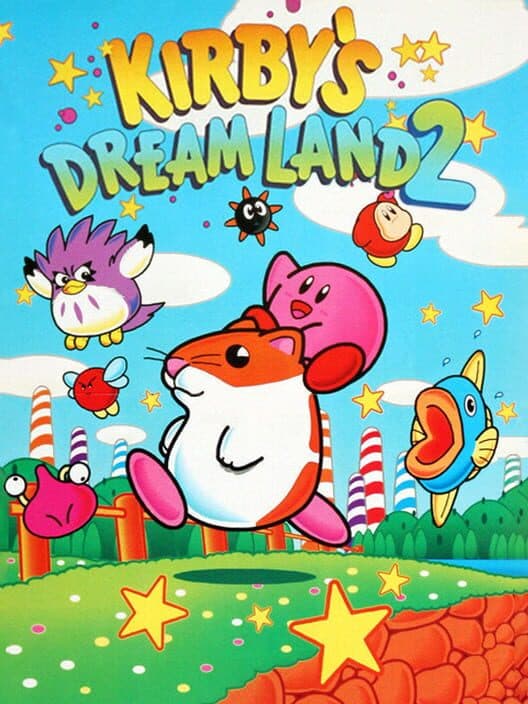
Kirby's Dream Land 2
The scarce Game Boy sequel
Kirby's Dream Land 2

The 1995 Game Boy sequel introduced the animal friends and the copy ability to the handheld line. A late monochrome-era cartridge with a modest print run, a sealed first print is far scarcer than its loose price suggests and a quietly serious handheld grail.

€31 loose → €2,500+ sealed
est.
Kirby 64: The Crystal Shards
The N64 chapter
Kirby 64: The Crystal Shards

The 2000 Nintendo 64 game took Kirby into 2.5D and introduced power-combining — mixing two abilities into a new one. The sole mainline N64 entry, released late in the console's life; a sealed first print is a tidy, contained grail and the only Kirby cartridge on the platform.

€43 loose → €2,000+ sealed
est.
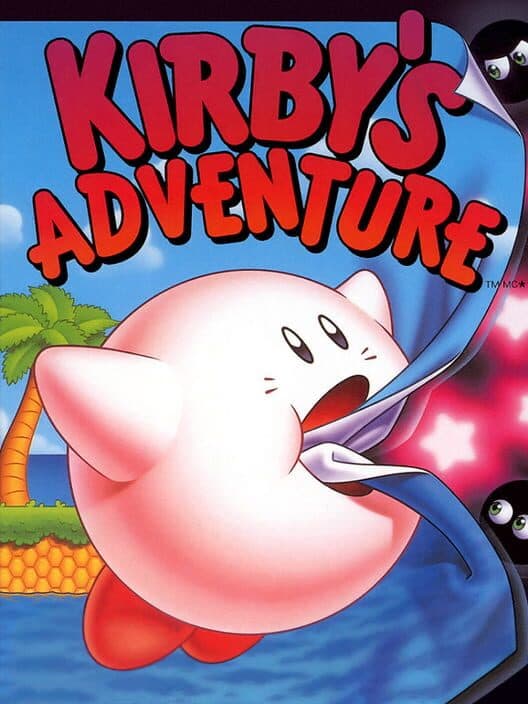
Kirby's Adventure
Where the copy ability began
Kirby's Adventure

The 1993 NES game introduced the mechanic that defines the series — swallow an enemy, copy its power — and was one of the most technically ambitious late-life NES titles, released as the SNES was already dominant. A sealed first print is the historical root of everything Kirby became.

€31 loose → €550+ sealed
est.
The apex

The single most-coveted object in the franchise — and where the market actually prints it.

The late-release grail
Kirby's Dream Land 3
€190 → five figures

A sealed Kirby's Dream Land 3 is the franchise's grail for a single reason: timing. Nintendo released it in late 1997, more than a year into the Nintendo 64's life, onto a Super Nintendo the market had already abandoned. The print run was tiny, retail shelf space was scarce, and high-grade sealed survivors are now among the rarest mainline first-party platformers of the 16-bit era. Its gentle crayon art makes it look like the softest game on the shelf; the price tag is anything but.

Sealed (current)
€10,350
high-grade SNES first print
Released
late 1997
a year into the N64 era
Loose entry
€190
scarce even loose
Why it's scarce
tiny print run
a dead platform
Open the title
Current market · three tiers
SEALED€10,350CIB€657LOOSE€190
Sealed · price history
€10,350 0% since 7 Jun
€10,350€10,3507 Jun
Kirby Star Allies
Artwork
Kirby Star Allies · 2018
The artwork

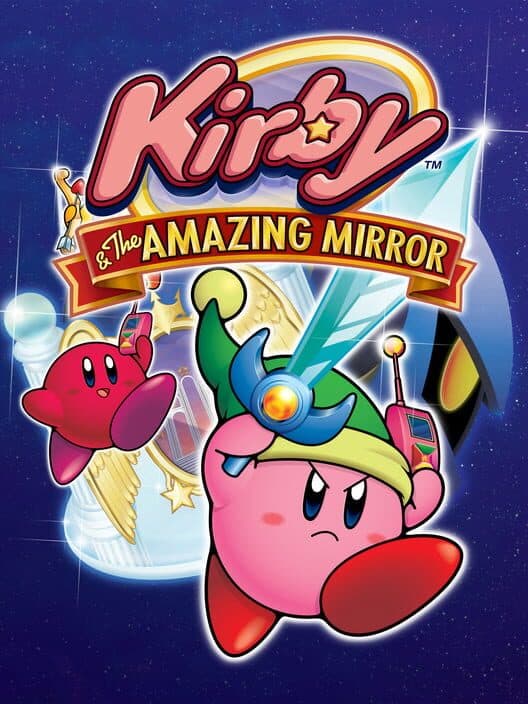
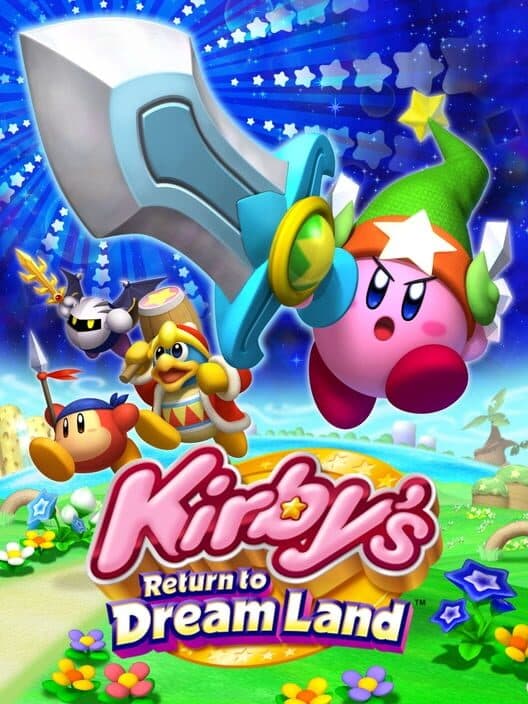
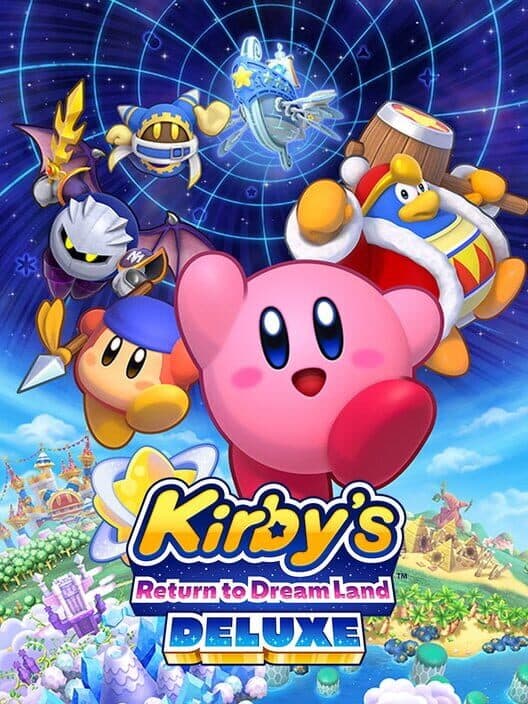
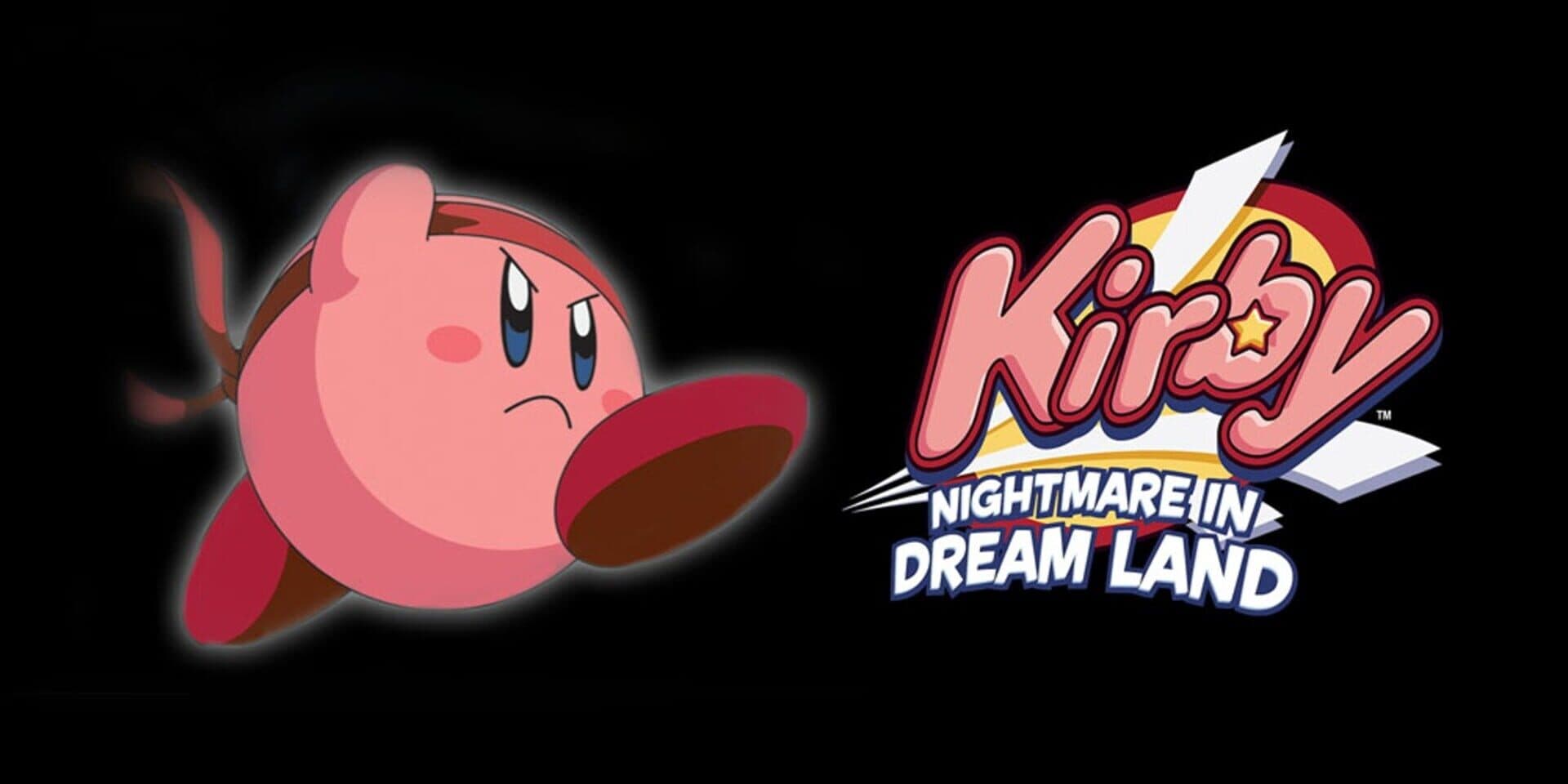
Official key art across the run — the franchise as the studio drew it.

Kirby's Return to Dream Land
Artwork
Kirby's Return to Dream Land · 2011
Kirby & the Amazing Mirror
Artwork
Kirby & the Amazing Mirror · 2004
The tape

Kirby concentrates its value in the cartridge era and almost nowhere else. Dream Land 3 is the towering apex — a late-1997 SNES release with a tiny print run and a five-figure sealed price that catches newcomers off guard. The Game Boy Dream Land 2 and the lone N64 Crystal Shards are the secondary grails; Super Star is the affordable fan-favourite peak; and the NES Adventure carries a historical premium as the copy-ability origin. The modern Switch entries and the Virtual Console reissues stay soft — the early first prints are the part that moves.

The acquisition plan

A Kirby shelf is cheap to fill loose and sharp at the top. The line is affordable complete; the budget concentrates on a handful of cartridge-era grails.

Phase 1 — The line, loose
€120–€400

Acquire the SNES, N64 and handheld games loose and authentic — they're affordable and they teach you the first-print boxes the sealed market turns on.

Phase 2 — CIB first prints
€400–€2,500

Upgrade Super Star, Dream Land 2, Kirby 64 and Kirby's Adventure to complete-in-box first prints before the Virtual Console and Dream Collection reissues.

Phase 3 — A sealed grail
€3,000+

One object is the centre of gravity: a sealed, high-grade Kirby's Dream Land 3. A sealed Dream Land 2 or Kirby 64 is the next lifetime target.

The most common errors
  1. 01
    Underrating Dream Land 3 because it looks soft

    The pastel crayon art makes Dream Land 3 look like the gentlest game on the shelf — which hides the fact that its late-1997 release gave it one of the smallest print runs of any mainline 16-bit platformer. It's the most expensive Kirby by a wide margin.

  2. 02
    Buying a reissue as the first print

    Several Kirby games were reissued on the Virtual Console and in the Dream Collection anniversary set. The original cartridge first prints are the collectible versions — verify the printing before paying first-print money.

  3. 03
    Treating the Game Boy entries as filler

    Dream Land and Dream Land 2 are late monochrome-era cartridges with modest print runs; sealed copies are far scarcer than their loose prices suggest. Don't skip the handheld line.

  4. 04
    Chasing the grail before the foundation

    A sealed Dream Land 3 with gaps underneath it reads as a trophy, not a collection. Build the loose and CIB line first; the grail lands better when it crowns something complete.

The timeline
  1. 1992
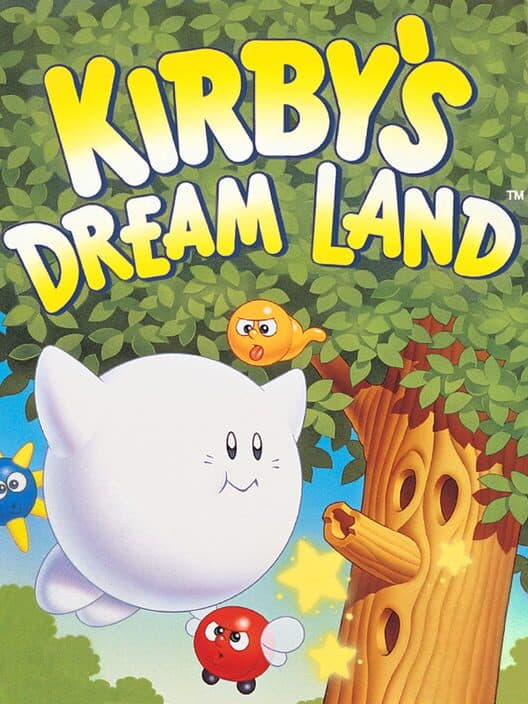
    Kirby's Dream Land (Game Boy)

    The float-anywhere on-ramp that opened platforming to everyone.

  2. 1993
    Kirby's Adventure (NES)

    The copy ability is born — the mechanic that defines the series.

  3. 1996
    Kirby Super Star (SNES)

    Many games in one cartridge — the fan-favourite peak.

  4. 1997
    Kirby's Dream Land 3 (SNES)

    Released a year into the N64 era — the scarce, five-figure grail.

  5. 2000
    Kirby 64: The Crystal Shards (N64)

    Power-combining and the sole N64 entry.

  6. 2022
    Kirby and the Forgotten Land (Switch)

    The acclaimed 3D leap — the franchise's biggest modern moment.

More series