← SERIES
THE COLLECTOR'S ROOM

Mega Man

The boss-rush blueprint — and a 1987 NES origin that is both the franchise's first game and its €40,000 sealed grail.

Mega Man invented the boss-rush action-platformer. In 1987 Capcom built a structure no one had seen — a stage-select screen, eight themed bosses you could tackle in any order, and a weapon stolen from each one that became the key to another — and turned mastery into a rhythm. The precision, the pattern-learning, the escalating toolkit: a vast lineage of action games descends from this template, and Capcom spun it into two pillar series (Classic and X) and a shelf of sub-franchises.

Its collecting shape is unusual: the origin is also the grail. The 1987 NES Mega Man was a modest seller — and the home of the legendarily bad American box art — so a high-grade sealed first print is the scarcest and most valuable object in the franchise by a wide margin. Behind it sit the fan-favourite MM2, the Cx4-chip SNES X2 (a five-figure surprise), and the 16-bit reinvention Mega Man X. The NES Classic line and a few key SNES carts carry the value; everything after is affordable.

Since
1987
Creator
Akira Kitamura
Apex platform
NES
In the canon
26
The grails

The variants and special editions that define the apex of the franchise — the objects a serious collection is measured against.

Mega Man — the 1987 NES origin
Where the blueprint began
Mega Man — the 1987 NES origin

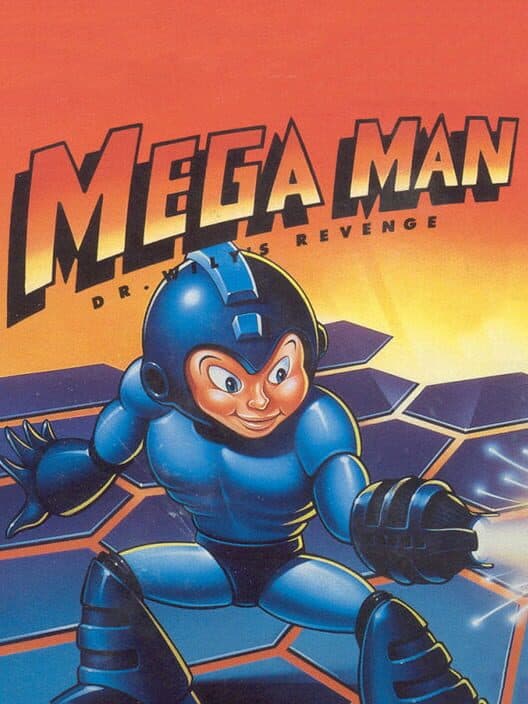
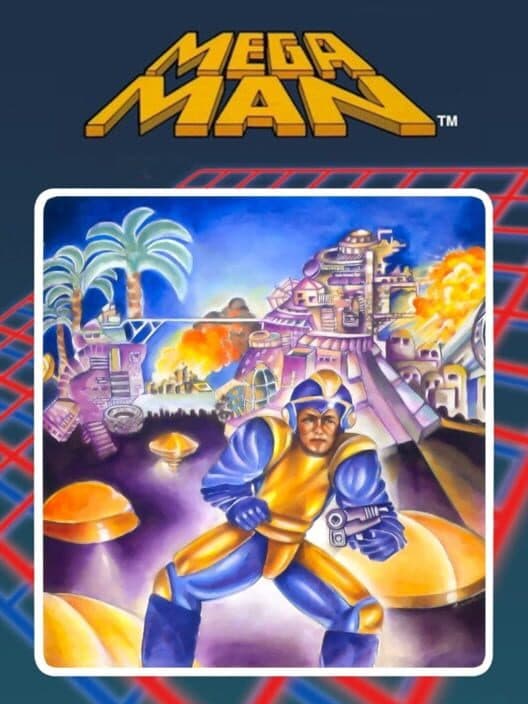
The 1987 original invented the formula — pick your stage, beat the boss, take its weapon — and modestly sold, which is exactly why it is the scarcest and most valuable object in the franchise. It is also home to the legendary 'bad box art Mega Man', the American cover so infamously off-model it became a meme; a high-grade sealed first print is a five-figure cartridge and the historical root of everything that followed.

€79 loose → five figures sealed
est.
Mega Man 2
The masterpiece
Mega Man 2

The 1989 sequel is, for most of the fanbase, the high point of the entire series — the perfect refinement of the formula, the iconic soundtrack, the definitive 8-bit action-platformer. It sold far better than the original, so loose copies are cheap; the value is in a high-grade sealed first print of the game that made Mega Man a household name.

€38 loose → €4,000+ sealed
est.
Mega Man X2
The Cx4-chip scarcity
Mega Man X2

The 1995 SNES sequel shipped with a special Cx4 enhancement chip for its wireframe 3D effects — an expensive cartridge that printed in smaller numbers right as the 16-bit market was collapsing. The result is one of the scarcest mainline carts in the series; a sealed X2 trades into five figures and is the surprise grail of the SNES line.

€161 loose → five figures sealed
est.
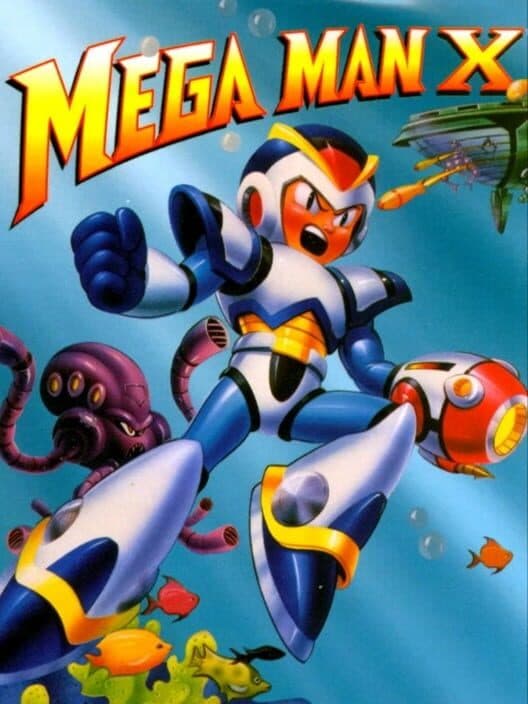
Mega Man X
The 16-bit reinvention
Mega Man X

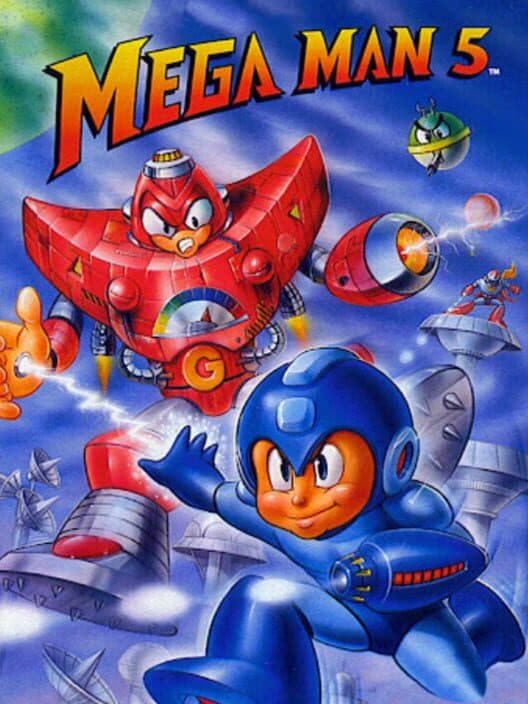
The 1993 SNES debut of the X series rebuilt the formula for the 16-bit era — wall-jumps, dashes, armour upgrades and a darker tone. It is the second pillar of the franchise and the entry point to its most beloved sub-series; a sealed first print is the cornerstone of an X-series shelf.

€33 loose → €2,000+ sealed
est.
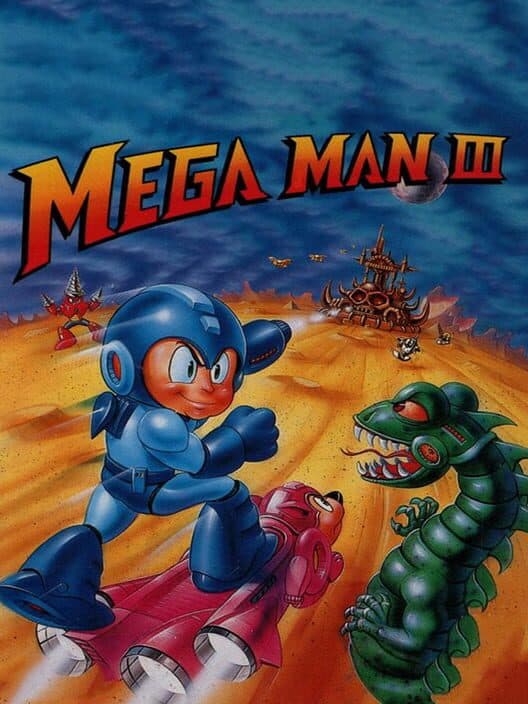
Mega Man 3
The deep-cut classic
Mega Man 3

The 1990 third entry introduced the slide and Rush, the robot dog — expanding the toolkit that defined the rest of the Classic line. A connoisseur's favourite a half-step behind MM2, and a sealed first print is a strong, attainable NES grail.

€23 loose → €2,000+ sealed
est.
The apex

The single most-coveted object in the franchise — and where the market actually prints it.

The origin grail
Mega Man
€79 → five figures

A sealed first-print Mega Man is the franchise's origin and its single most valuable object — a rare case where the first game is also the grail. The 1987 NES original invented the boss-rush blueprint and sold modestly, which is exactly why high-grade sealed survivors are so scarce. It carries an extra layer of collector legend, too: the American cover is the infamous 'bad box art Mega Man', a hand-painted disaster so beloved it became a meme and a Capcom in-joke. The reissues and Virtual Console copies are the common ones; a sealed first print is a five-figure cartridge.

Sealed (current)
€41,952
high-grade NES first print
Boss order
8 stages
the blueprint, 1987
Loose entry
€79
the play copy
Collector legend
bad box art
the infamous US cover
Open the title
Current market · three tiers
SEALED€41,952CIB€460LOOSE€79
Sealed · price history
€41,952 0% since 7 Jun
€41,952€41,9527 Jun
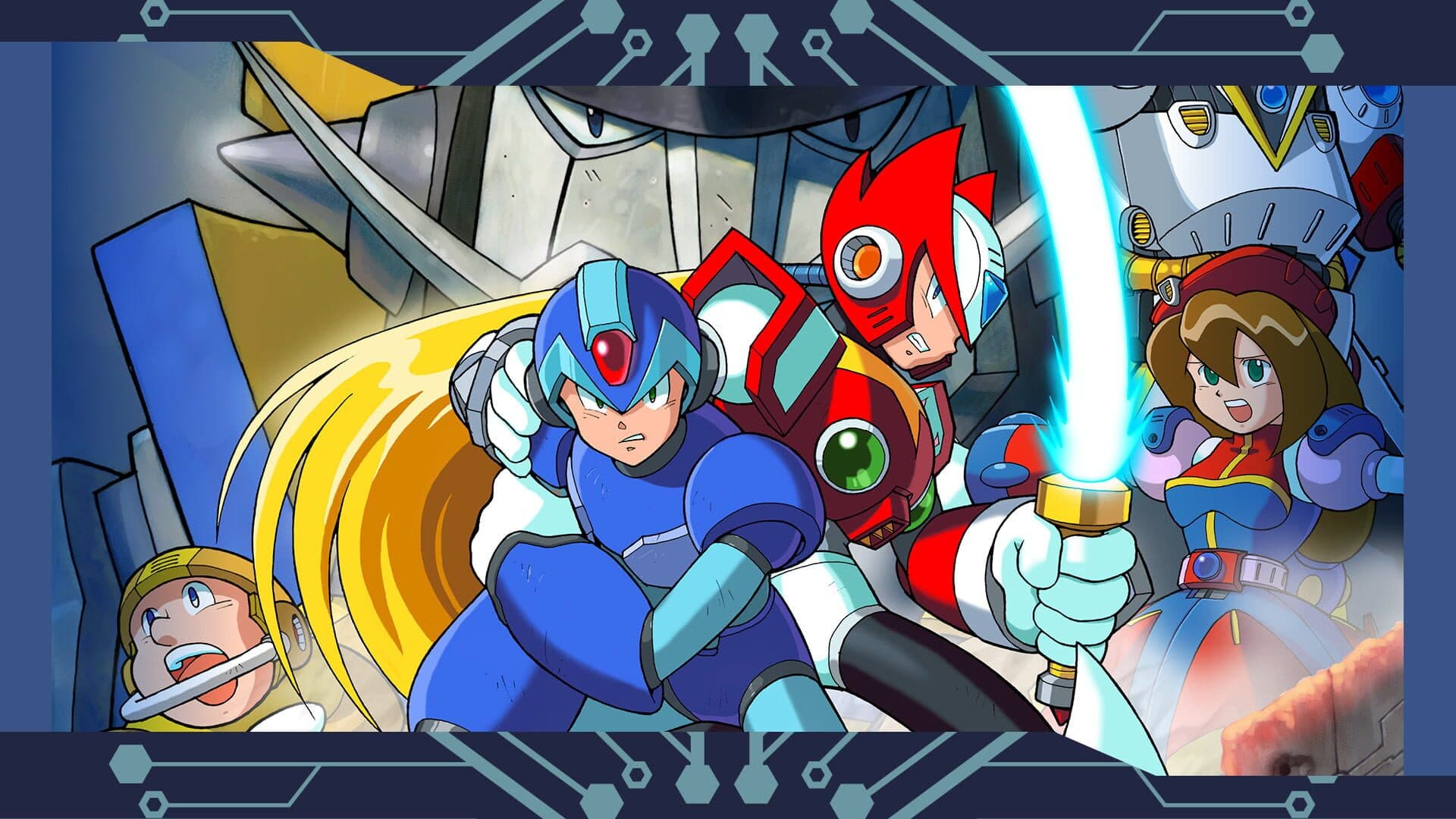
Mega Man X — X & Zero
Artwork
Mega Man X — X & Zero · 1993
The artwork

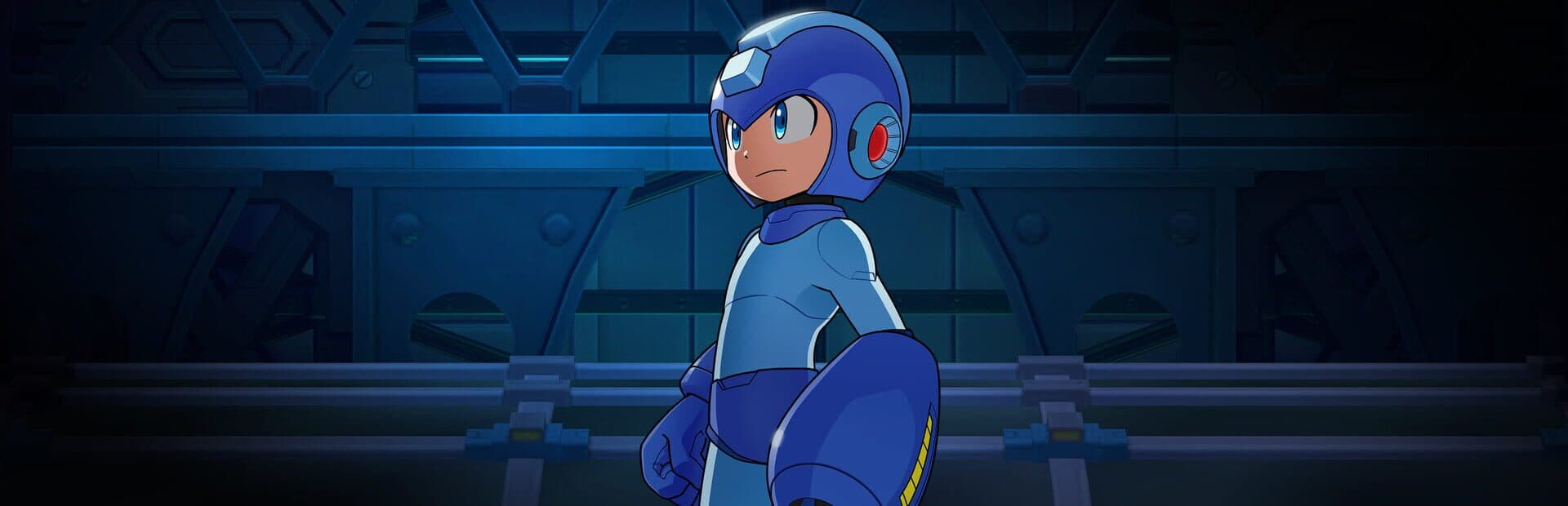
Official key art across the run — the franchise as the studio drew it.

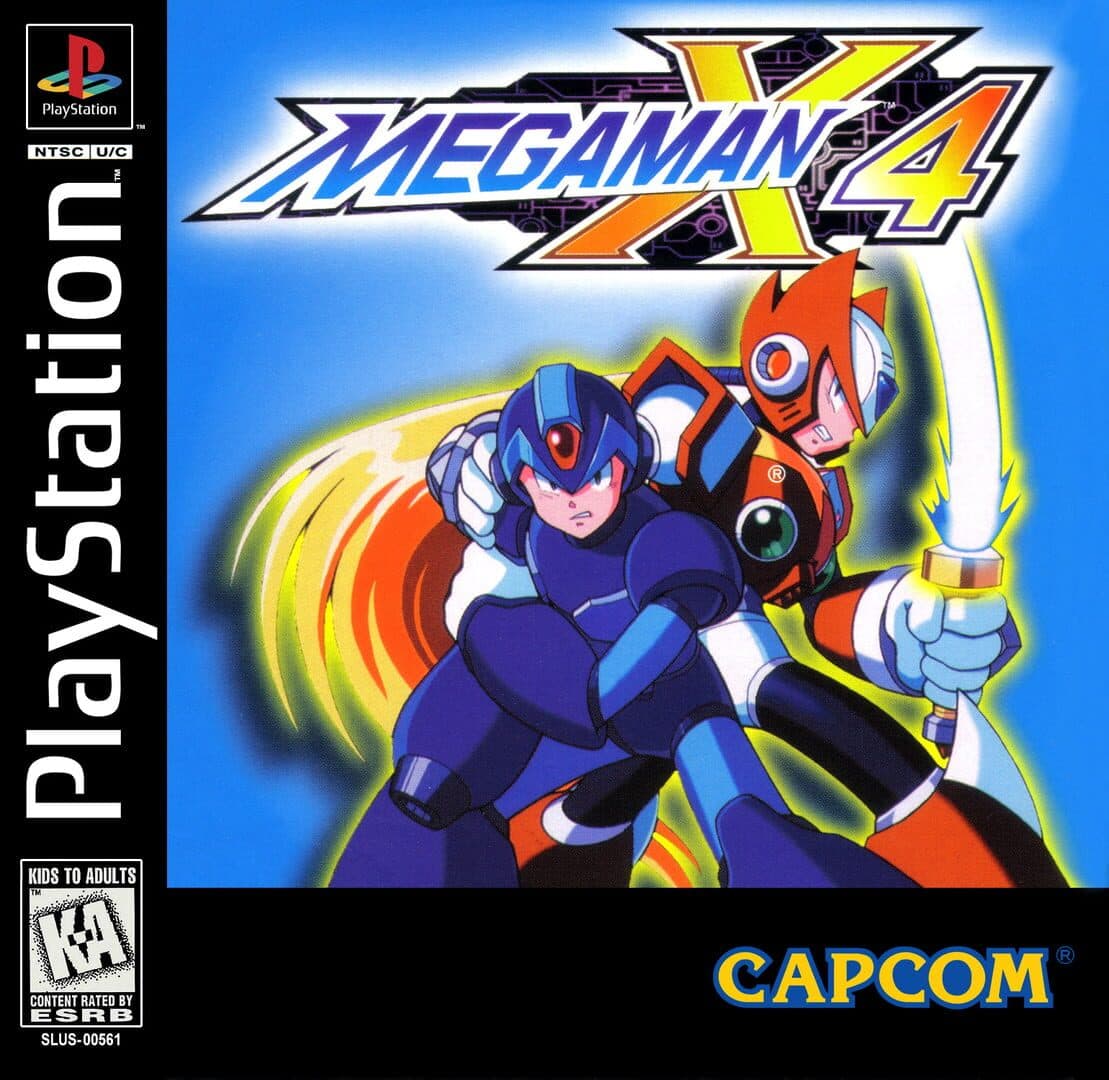
Mega Man X4
Artwork
Mega Man X4 · 1997
Mega Man 11
Artwork
Mega Man 11 · 2018
The tape

Mega Man concentrates its value in the NES Classic line and a few key SNES carts. The 1987 original is the towering apex — a modest seller, a meme-famous box, and a five-figure sealed grail. MM2 is the fan-favourite peak (cheap loose, climbing sealed); MM3 the deep-cut classic; and on SNES the Cx4-chip X2 is a five-figure surprise next to the more attainable Mega Man X. The later PS1 and PS2 X games, the Game Boy line and the modern revival entries are affordable, and the Legacy Collections and Virtual Console reissues stay soft — the early carts are the part that moves.

The acquisition plan

A Mega Man shelf is cheap to fill loose and brutal at the very top. The line is abundant complete; the budget concentrates on a handful of NES and SNES first prints.

Phase 1 — The line, loose
€150–€500

Acquire the Classic NES games, the Game Boy line and the X series loose and authentic — they're abundant and cheap, and they teach you the first-print-vs-reissue boxes the sealed market turns on.

Phase 2 — CIB first prints
€500–€3,000

Upgrade MM2, MM3, the X-series SNES carts and Mega Man X to complete-in-box first prints — before the Virtual Console and Legacy Collection reissues — and add a CIB original Mega Man.

Phase 3 — A sealed grail
€4,000+

One object is the centre of gravity: a sealed, high-grade first-print Mega Man with the bad box art. A sealed X2 (the Cx4 cartridge) is the SNES lifetime target.

The most common errors
  1. 01
    Buying a reissue as the first print

    The Classic games were reissued on the Virtual Console, in the Legacy Collections and as later printings. The original NES and SNES first prints are the collectible versions — verify the printing and the box before paying first-print money.

  2. 02
    Underrating the bad box art original

    The 1987 Mega Man looks crude and its cover is a punchline — which is precisely why it's the grail. A sealed first print is worth more than most of the rest of the Classic line combined.

  3. 03
    Treating X2 like an ordinary SNES cart

    Mega Man X2 shipped with a Cx4 enhancement chip and a smaller late-era print run; it trades far above its X-series siblings. Don't assume the X games are interchangeable in value — X2 is the scarce one.

  4. 04
    Chasing the grail before the foundation

    A sealed origin with gaps underneath it reads as a trophy, not a collection. Build the loose and CIB line first; the grail lands better when it crowns something complete.

The timeline
  1. 1987
    Mega Man (NES)

    The boss-rush blueprint is born — and the franchise's scarcest object.

  2. 1989
    Mega Man 2 (NES)

    The refinement that made Mega Man a household name — the fan-favourite peak.

  3. 1993
    Mega Man X (SNES)

    The 16-bit reinvention and the start of the second pillar.

  4. 1995
    Mega Man X2 (SNES)

    The Cx4-chip cartridge — a scarce, five-figure SNES grail.

  5. 2008
    Mega Man 9 (multi)

    The 8-bit-style revival that brought the Classic line back to life.

  6. 2018
    Mega Man 11 (multi)

    The modern return — the Classic formula, reimagined in 2.5D.

More series