Sega left the blood in. The 1993 Genesis port kept Mortal Kombat's gore and Fatalities — accessible via the famous ABACABB code — while Nintendo censored the SNES version, and the difference is legible in the market three decades later: a high-grade sealed Genesis copy trades at roughly double the SNES one. The bloodier disc is the more valuable disc, and the most coveted object in the franchise.
Mortal Kombat
The fighter that put blood in front of Congress — and a market that still prices the gore: the uncensored Genesis original trades at double the SNES one.
Mortal Kombat created game ratings. Midway's 1992 arcade game used digitized actors and gleefully over-the-top Fatalities, and when it came home in 1993 the two versions split the console war: Nintendo censored the SNES blood into grey sweat, Sega kept it on Genesis behind a code. The outrage reached the US Senate, and the 1994 hearings produced the ESRB — the rating system that still governs the industry. No single game has had a larger regulatory footprint.
Its collecting market is unique because the content difference is priced. A sealed Genesis original (uncensored) trades at roughly double the censored SNES version — €2,414 against €1,232 — one of the only cases in collecting where a historical/editorial difference is legible in the spread. Beyond that pair, the bloody SNES Mortal Kombat II, the surprisingly valuable PlayStation Mortal Kombat 3, and the scarce Sega Saturn Ultimate MK3 are the early-era grails. The 3D era and the modern NetherRealm reboots are abundant.

The variants and special editions that define the apex of the franchise — the objects a serious collection is measured against.
Nintendo's 1993 SNES port replaced the blood with grey 'sweat' and toned down the Fatalities — a decision that handed Sega the edgier reputation and helped drag the whole industry in front of the US Senate. A sealed SNES copy is a grail in its own right, and the other half of the single most interesting price comparison in collecting.

By 1994 Nintendo had reversed course: the SNES Mortal Kombat II kept the blood, and the sequel — faster, deeper, with the series' most beloved roster — is for many the peak of the 2D era. A sealed SNES first print is a high-grade 16-bit grail.

The 1995 third entry brought run buttons, combos and the Ultimate/Trilogy expansions. Its PlayStation first print is, surprisingly, one of the most valuable sealed objects in the whole franchise — a scarce, high-demand 32-bit cart-era grail.

The expanded Ultimate MK3 on the Sega Saturn — a low-print release on a struggling platform — is one of the scarcest mainline Mortal Kombat objects. A sealed copy is a connoisseur's Saturn grail and a quiet five-figure-adjacent target in top grade.
The single most-coveted object in the franchise — and where the market actually prints it.
A sealed Genesis Mortal Kombat is the object where collecting history and content history meet. In 1993 Sega kept the blood and the Fatalities — behind the now-legendary ABACABB code — while Nintendo scrubbed the SNES version clean, and the market has been pricing that difference ever since: a high-grade sealed Genesis copy trades at roughly double its censored SNES twin. It's the rare grail where what you're paying for is, quite literally, the gore — the game that put violence in video games in front of the US Senate and walked out having created the ESRB.

21 games across 15 platforms and 10 eras — the Nintendo-published canon, editions consolidated, grouped from the 8-bit foundation to the modern era. Mark what you own; your completion saves on this device.
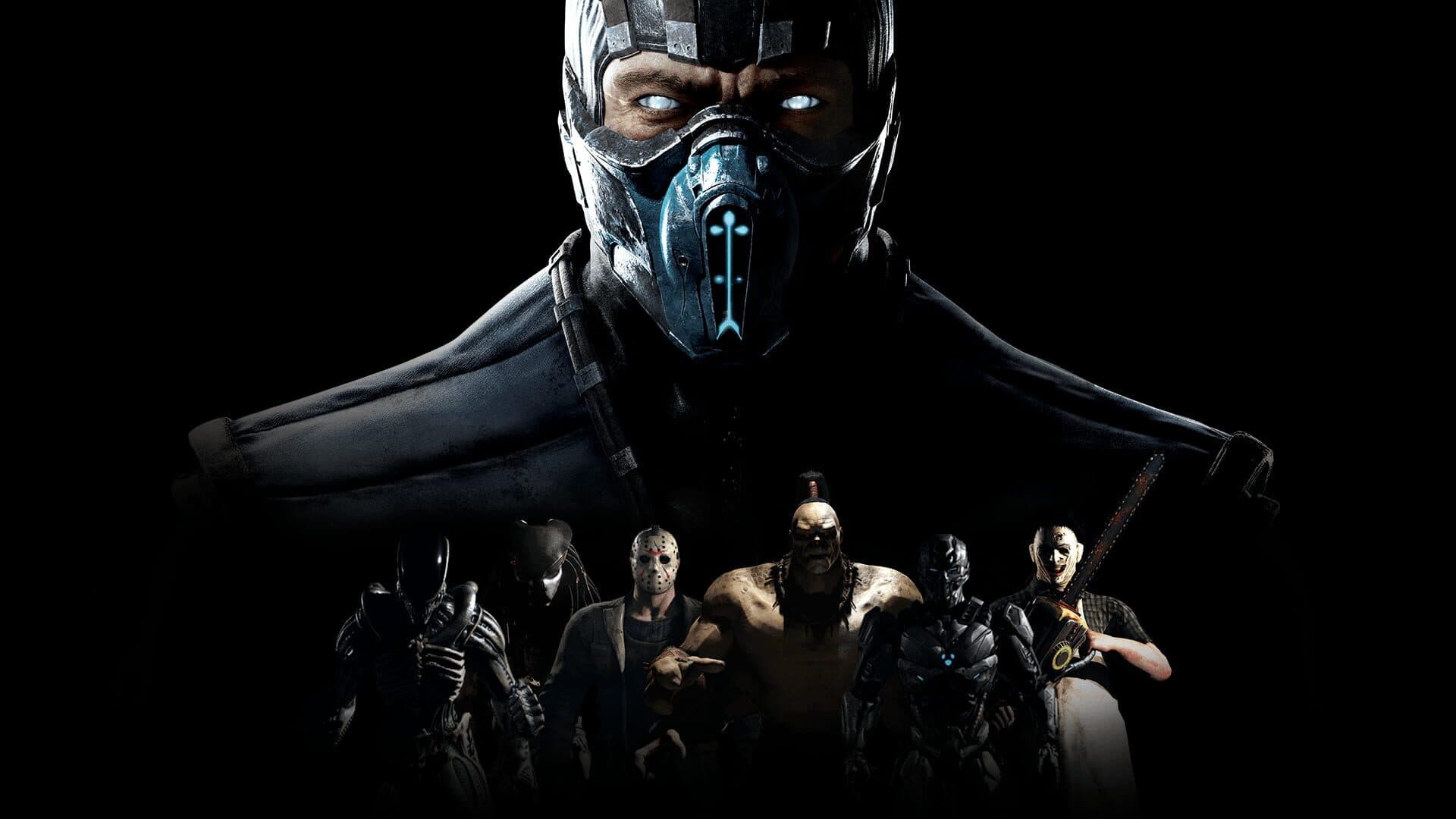
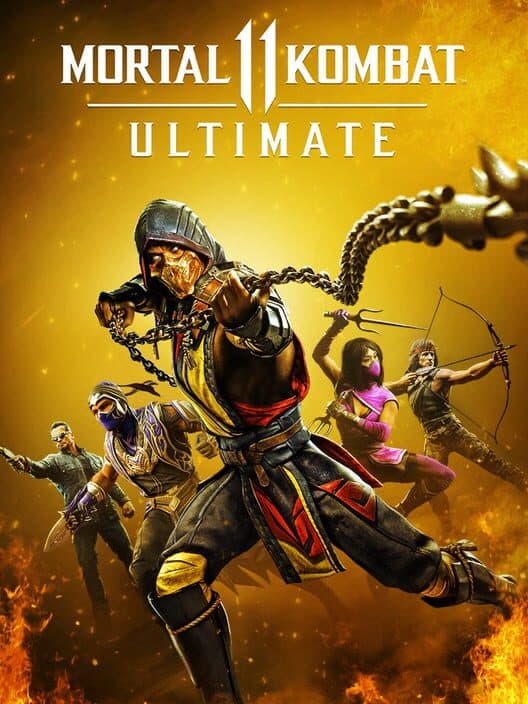
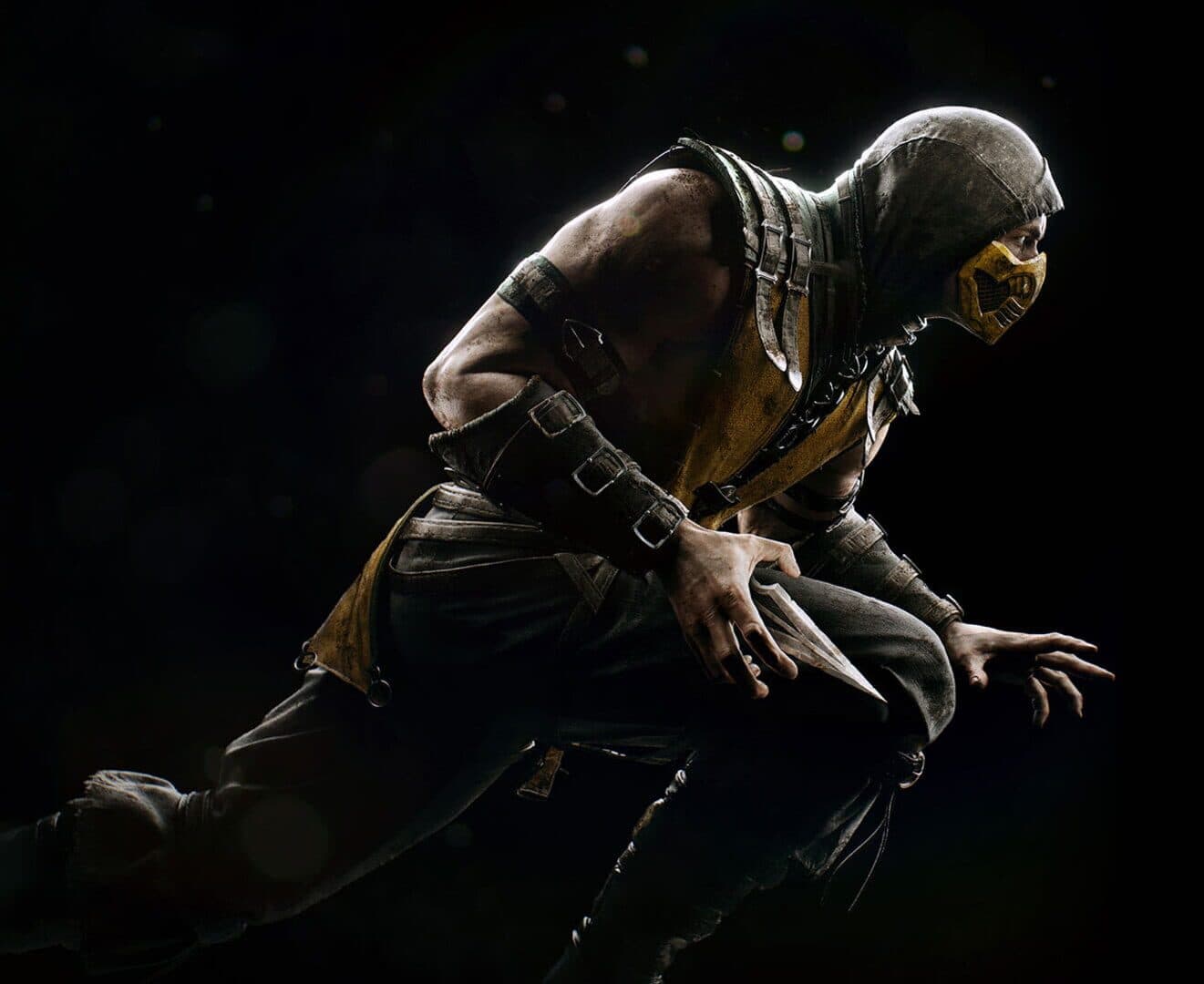
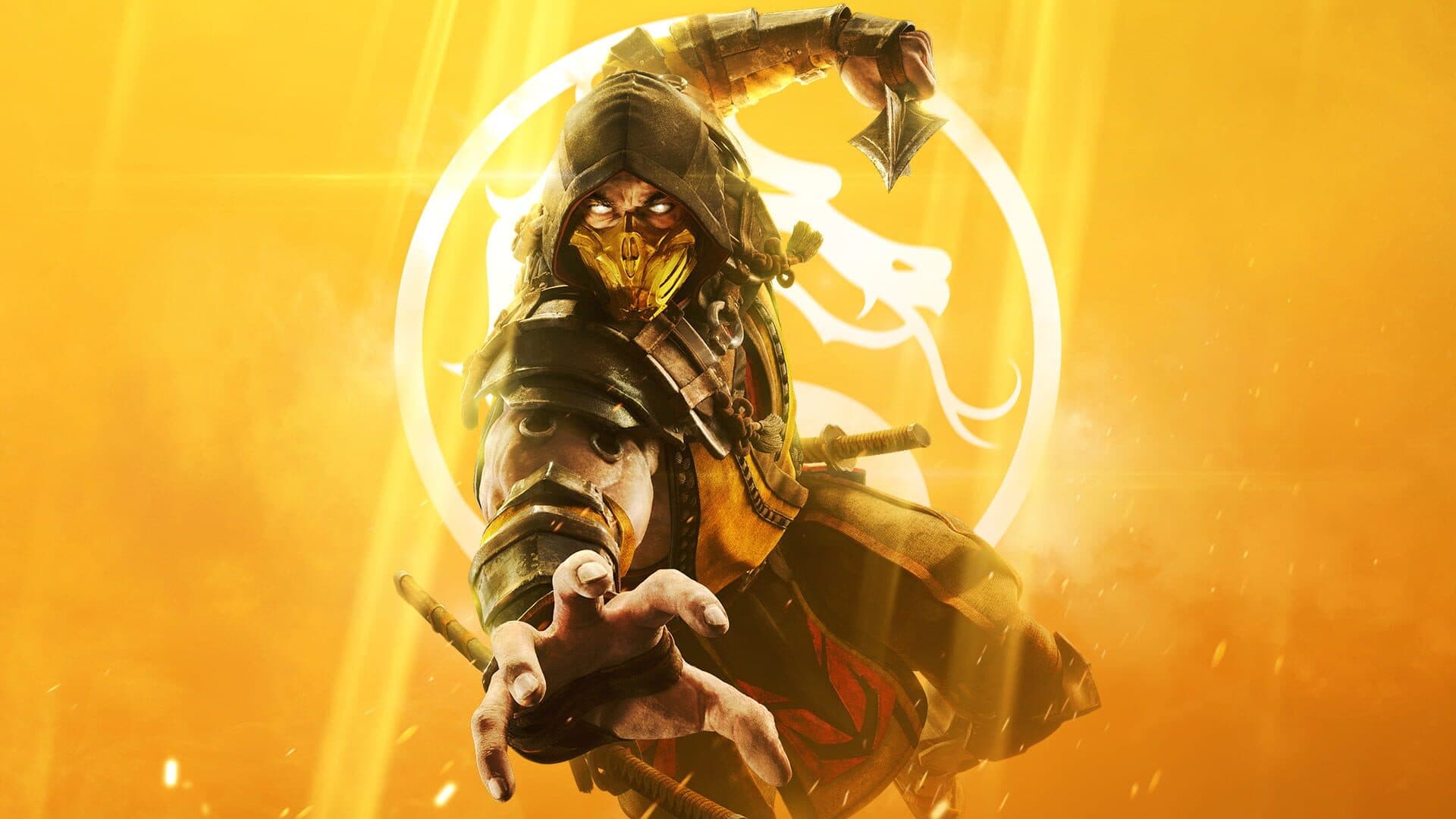
Official key art across the run — the franchise as the studio drew it.


Mortal Kombat concentrates its value in the 16-bit and 32-bit cart era, and its market has a feature no other franchise here shares: the gore is priced. The uncensored Genesis original trades at double the censored SNES version, a legible content premium. The bloody SNES Mortal Kombat II, the high-demand PlayStation MK3, and the low-print Saturn Ultimate MK3 are the other early grails. The 3D-era entries (Deadly Alliance through Armageddon) and the modern NetherRealm reboots — MK9, MKX, MK11, MK1 — are abundant and stay soft. The early carts are the part that moves.
A Mortal Kombat shelf is cheap to fill loose and sharp at the early carts. The modern games cost almost nothing; the budget concentrates on the 16/32-bit grails.
Acquire the 16-bit, 32-bit and modern entries loose and authentic — abundant and cheap, and they teach you the cart-label and box tells the sealed market turns on.
Upgrade Mortal Kombat (both Genesis and SNES, to tell the story), Mortal Kombat II and Mortal Kombat 3 to complete-in-box first prints before any reissues.
One object is the centre of gravity: a sealed Genesis Mortal Kombat — the uncensored original. A sealed Saturn Ultimate MK3 is the scarce lifetime target.
- 01Buying the SNES version expecting Genesis value
The censored SNES Mortal Kombat trades at roughly half the uncensored Genesis copy. They look similar on the shelf; the price gap is the whole point. Know which one you're buying.
- 02Overlooking the PlayStation MK3 premium
Mortal Kombat 3's PS1 first print is one of the most valuable sealed objects in the franchise — far above the 3D-era and modern entries. Don't assume the 32-bit games are interchangeable in value.
- 03Treating the Kollections and reboots as grails
The Komplete/Kollection compilations and the modern NetherRealm games sold in the millions and stay soft. The value is in the original cart-era first prints, not the re-releases.
- 04Chasing the grail before the foundation
A sealed Genesis original with gaps underneath it reads as a trophy, not a collection. Build the loose line first; the grail lands better when it crowns something complete.
- 1992Mortal Kombat (Arcade)
Digitized gore and Fatalities arrive — the cultural lightning rod begins.
- 1993Mortal Kombat (SNES / Genesis)
The console war splits over blood — Sega keeps it, Nintendo censors it.
- 1994Mortal Kombat II (SNES)
Nintendo relents; the blood returns. The ESRB is created the same year.
- 1995Mortal Kombat 3 (PS1)
The 32-bit peak — and a surprisingly valuable sealed grail.
- 2011Mortal Kombat (reboot)
NetherRealm reboots the series back to 2D-plane brutality.
- 2023Mortal Kombat 1 (multi)
The modern flagship — a second reboot of the timeline.