← SERIES
THE COLLECTOR'S ROOM

Pokémon

The best-selling franchise on earth — and an inverted market where the games everyone owns hide a five-figure sealed grail.

Pokémon is the best-selling media franchise in history, and its games are second only to Mario in the medium — over 480 million copies across the mainline series, with the 1996 Game Boy originals still the best-selling entries nearly thirty years on. Game Freak built it on a Game Boy idea about trading creatures over a link cable, and turned a dying monochrome handheld into the launchpad for a cultural empire. Every Nintendo handheld since has been anchored by a Pokémon generation.

Its collecting market is an inversion of the usual logic, and the closest analogue in this catalogue is Grand Theft Auto. The games sold in the tens of millions, so loose and complete copies are abundant and cheap — but precisely because they were children's toys, played to death and rarely preserved, high-grade sealed first prints of the Gen I and Gen II cartridges are extraordinarily scarce. A sealed WATA 9.8 Pokémon Red has sold for over $80,000. The value lives at the very start, in pristine survivors of the games everyone once owned. (Note: this is the GAMES market — the Pokémon Trading Card Game is a separate universe and isn't covered here.)

Since
1996
Creator
Satoshi Tajiri
Apex platform
Game Boy
In the canon
39
The grails

The variants and special editions that define the apex of the franchise — the objects a serious collection is measured against.

Pokémon Red & Blue — the Game Boy origin
Where it all began
Pokémon Red & Blue — the Game Boy origin

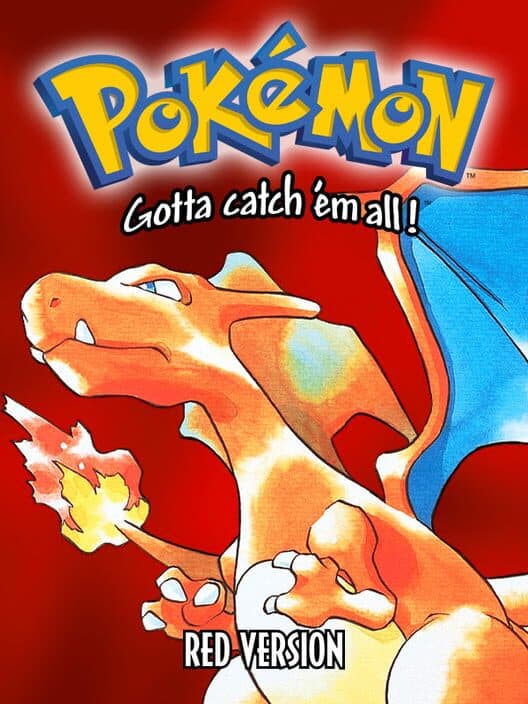
The 1996 Japanese original (Red & Green) and its 1998 Western release (Red & Blue) launched the phenomenon — and as the games that started everything, sealed first-print copies in high WATA grade are among the most valuable handheld objects in existence. A WATA 9.8 sealed Red has sold for over $80,000, and a Red & Yellow pair once crossed $160,000. The first print is the one without the yellow 'Player's Choice' banner — that banner marks the common reprint.

€40 loose → five figures sealed
est.
Pokémon Yellow — Special Pikachu Edition
The mascot cartridge
Pokémon Yellow — Special Pikachu Edition

The 1998/1999 enhanced version put Pikachu on the box and following you in-game — the moment the mascot became the franchise's face. Built for the Game Boy with Game Boy Color support, a sealed first-print Yellow is the most iconic single cartridge in the series and the centrepiece of any Gen I shelf.

€35 loose → €5,000+ sealed
est.
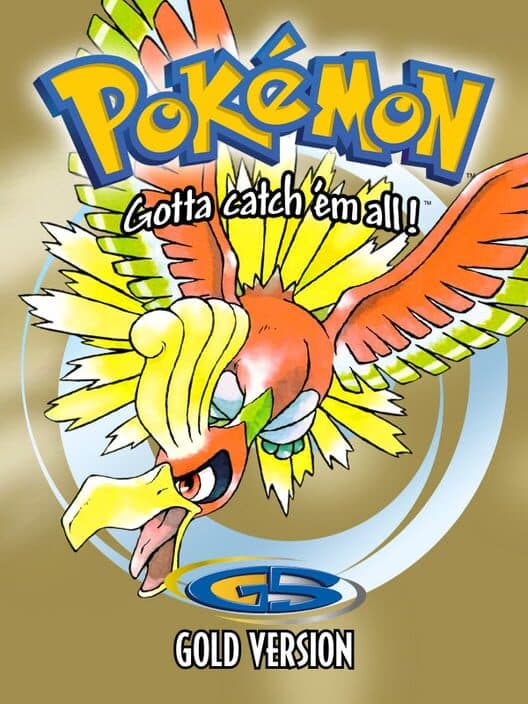
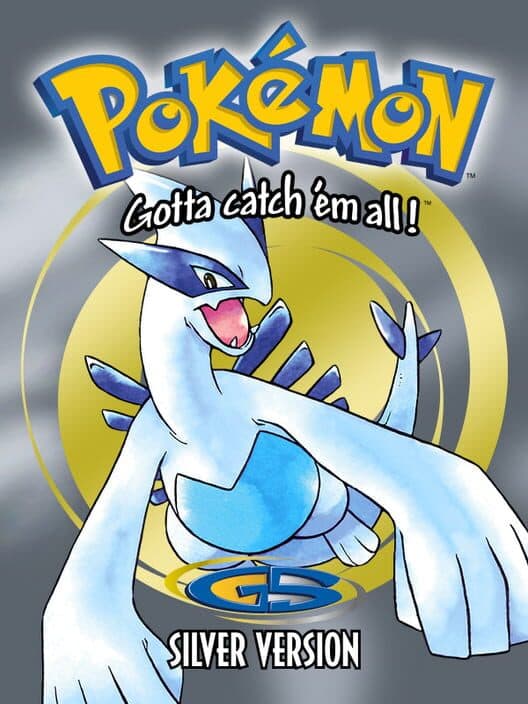
Pokémon Gold & Silver
The generational leap
Pokémon Gold & Silver

The 1999/2000 sequels doubled the world — a real-time clock, day/night cycles, a hundred new species and a second region after the credits. They proved the franchise was a dynasty, not a fad. Sealed first-print Gold and Silver, bought as the pair the games were designed to be, are the Gen II cornerstone.

€30 loose → €4,000+ sealed
est.
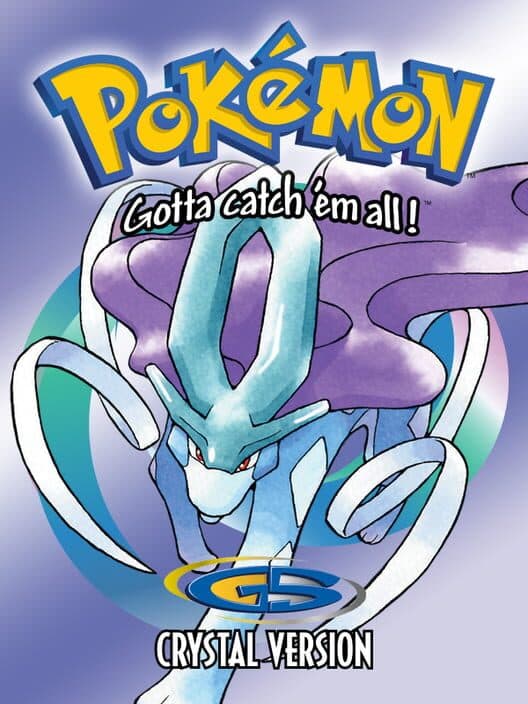
Pokémon Crystal
The Game Boy Color swansong
Pokémon Crystal

The 2001 third version was the first Pokémon game built for the Game Boy Color proper, the first with animated sprites, and the first to let you play as a girl. A shorter print run than Gold and Silver makes a sealed first-print Crystal the scarcer and more coveted of the Gen II objects.

€45 loose → €5,000+ sealed
est.
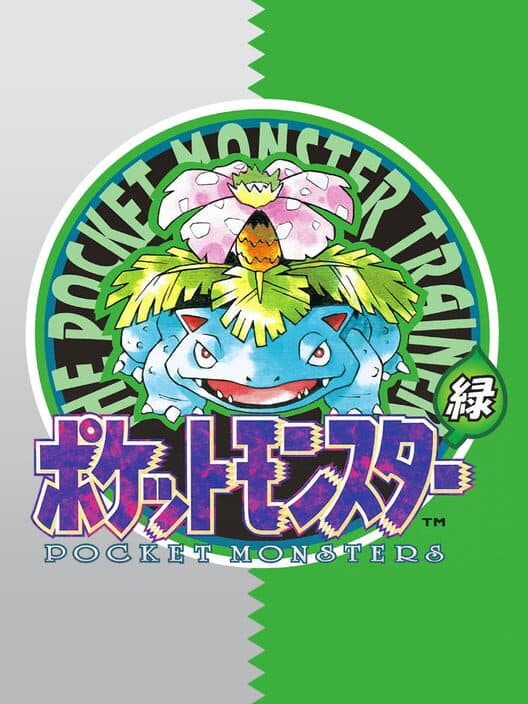
Pokémon Green — the Japanese origin
The true first print
Pokémon Green — the Japanese origin

Before Red & Blue went West there was Red & Green, the 1996 Japanese pair that started everything — never released outside Japan. The early print runs shipped before the games were a guaranteed hit, so survivors are scarce; a high-grade sealed Japanese Green is the historical root of the entire phenomenon and an import grail in its own right.

Import-only → five figures sealed
est.
The apex

The single most-coveted object in the franchise — and where the market actually prints it.

The origin grail
Pokémon Red & Blue
€40 → five figures

A sealed first-print Pokémon Red is the perfect expression of the franchise's inverted market: the best-selling game of its era, owned by tens of millions, and almost never preserved sealed in high grade — because it was a child's Game Boy cartridge, not a collectible. A WATA 9.8 A++ copy has sold for over $80,000, and a Red & Yellow pairing once crossed $160,000 at auction. The tell that separates the grail from the common copy is the box: the original first print carries no yellow 'Player's Choice' banner — that label marks the later, abundant reprint. Everyone owned Red; almost no one kept it sealed.

Sealed record
$80,000+
WATA 9.8 A++, Game Boy Red
Franchise sales
480M+
#2 behind Mario
Loose entry
€40
the play copy
First-print tell
no Player's Choice
no yellow box banner
Open the title
Market history for the apex is building — daily snapshots and verified sold comps accumulate here.
Pokémon Diamond & Pearl — Dialga
Artwork
Pokémon Diamond & Pearl — Dialga · 2006
The canon

39 games across 6 platforms and 6 eras — the Nintendo-published canon, editions consolidated, grouped by handheld generation, from the Game Boy to the Switch. Mark what you own; your completion saves on this device.

39 titles tracked
The artwork

Official key art across the run — the franchise as the studio drew it.

Pokémon Crystal
Artwork
Pokémon Crystal · 2001
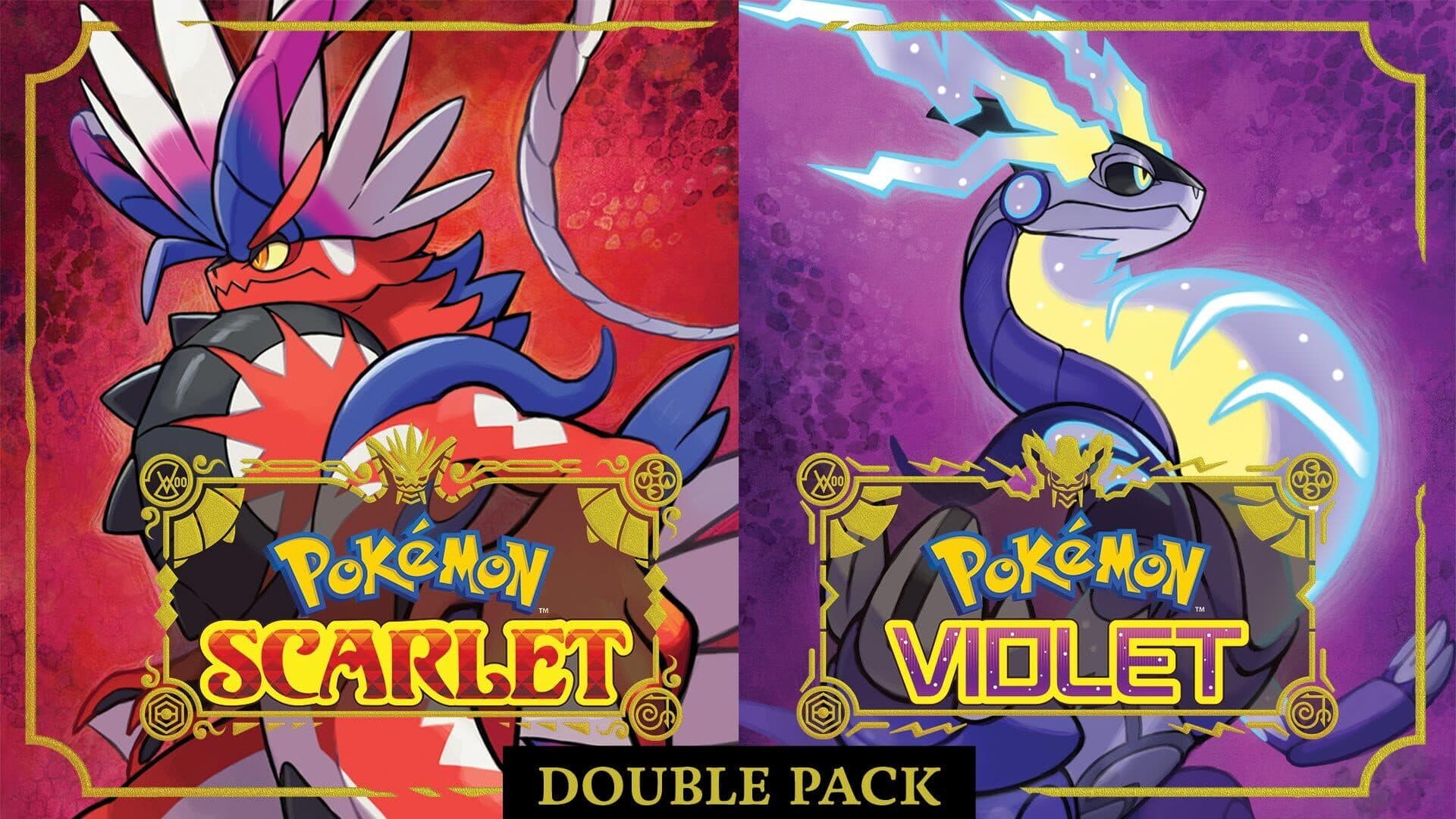
Pokémon Scarlet & Violet
Artwork
Pokémon Scarlet & Violet · 2022
The tape

Pokémon is the inverse of a normal collecting curve, and the inversion is steep. The mainline games sold in the tens of millions, so loose and complete copies of almost everything are cheap and easy — the famous entries are nearly free. The scarcity, and the value, is concentrated entirely in high-grade sealed first prints of the Gen I and Gen II cartridges: Red, Blue, Yellow, Gold, Silver and Crystal, ideally as the version pairs they were built around. The Player's Choice reprints, the regional re-releases and every modern entry stay soft — they are records of cultural ubiquity, not scarce objects. The whole market lives in pristine survivors of the handheld era.

The acquisition plan

A Pokémon shelf is the cheapest in this catalogue to fill loose and the hardest to finish sealed. The generations cost almost nothing complete; the budget concentrates on a handful of Gen I–II first prints.

Phase 1 — The generations, loose
€150–€500

Acquire the mainline pairs loose and authentic, generation by generation — they're abundant and cheap, and assembling them teaches you the box-print and cartridge-label tells that the sealed market turns on.

Phase 2 — CIB first prints
€600–€4,000

Upgrade the Gen I and Gen II games to complete-in-box first prints — Red & Blue, Yellow, Gold & Silver, Crystal — before the Player's Choice reprints. Collect the version pairs together; a complete-in-box pair reads far better than a single.

Phase 3 — A sealed grail
€5,000+

One object is the centre of gravity: a sealed, high-grade first-print Red or Blue with no Player's Choice banner. A sealed Japanese Green is the historical lifetime target — the true origin of the phenomenon.

The most common errors
  1. 01
    Buying the Player's Choice reprint as the first print

    The best-selling Gen I games were reprinted under Nintendo's yellow 'Player's Choice' banner. That banner — on the box and the cartridge label — marks the common copy; the original first print has no banner and trades at a large multiple. Verify the box before paying first-print money.

  2. 02
    Splitting the version pairs

    Red & Blue, Gold & Silver, Diamond & Pearl were designed as pairs — half the species live in each. A matched first-print pair is worth more than two unmatched singles and is how the games are meant to be collected; don't break a pair or chase only one half.

  3. 03
    Ignoring the regional first print

    The Japanese Red & Green came first, in 1996, and is a distinct — scarcer — object from the 1998 Western Red & Blue. Know which origin you're buying; the Japanese pair is the true root, the Western pair the one most Western collectors anchor on.

  4. 04
    Chasing the sealed grail before the foundation

    A five-figure sealed Red with gaps underneath it reads as a trophy, not a collection. Build the loose and CIB generations first; the grail lands better when it crowns something complete.

The timeline
  1. 1996
    Pokémon Red & Green (Game Boy, JP)

    The Japanese origin — the link-cable idea that became a global phenomenon.

  2. 1998
    Pokémon Red & Blue (Game Boy, West)

    The Western launch; the sealed first-print pair is the modern grail.

  3. 1999
    Pokémon Gold & Silver (Game Boy Color)

    The generational leap that proved the franchise was a dynasty.

  4. 2006
    Pokémon Diamond & Pearl (DS)

    The series moves to dual screens and online trading — the DS era begins.

  5. 2016
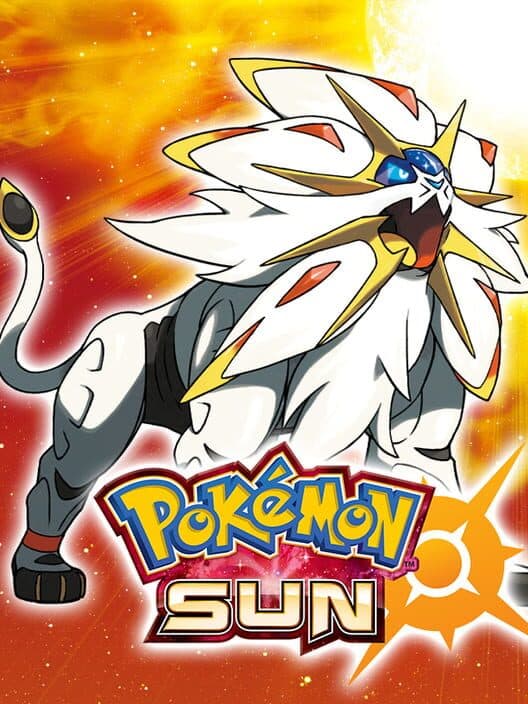
    Pokémon Sun & Moon (3DS)

    The 3DS swansong and the franchise's 20th anniversary generation.

  6. 2022
    Pokémon Scarlet & Violet (Switch)

    The first fully open-world mainline games — the modern era's biggest sellers.

More series