← SERIES
THE COLLECTOR'S ROOM

Tetris

The most-ported game ever made — and the Game Boy pack-in whose sealed first print now clears €5,000.

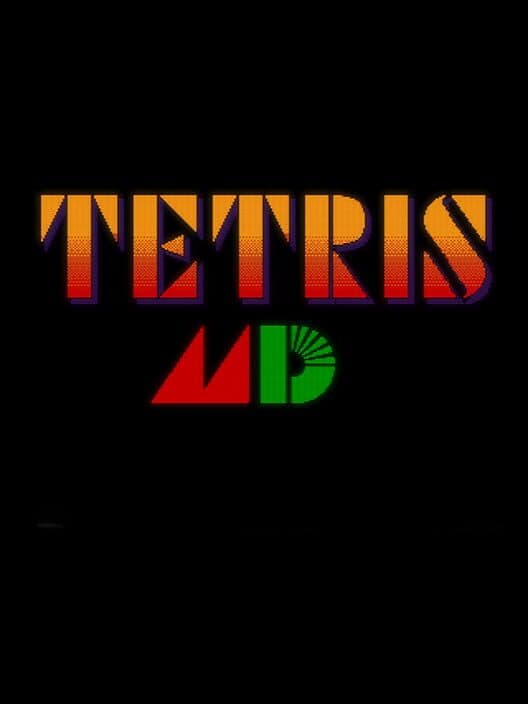
Tetris is the most-ported, most-played game in history. Alexey Pajitnov built it in 1984 inside a Soviet computing institute; it escaped the USSR through one of the most tangled licensing sagas the industry has ever seen, and in 1989 Nintendo made it the Game Boy's pack-in. That single decision — a perfect puzzle game bundled with a perfect portable — turned the Game Boy into a cultural phenomenon and put Tetris in front of more people than any game before or since. It has appeared on essentially every platform ever manufactured.

Its collecting market is unusual because there's no 'series' to complete — there's one game in a thousand versions, and the value sits in a handful of 1989 originals. The Game Boy pack-in is the apex (~€5,311 sealed). The NES had two: Nintendo's official competitive cart, and the unlicensed Tengen version that Nintendo sued off the market — recalled, scarce, and now a genuine grail created by a courtroom rather than a print run. Tetris DX and The New Tetris are the climbing secondary objects. The endless other ports are mostly pocket change.

Since
1984
Creator
Alexey Pajitnov
Apex platform
Game Boy
In the canon
35
The grails

The variants and special editions that define the apex of the franchise — the objects a serious collection is measured against.

The cartridge that sold the handheld
Tetris — the Game Boy pack-in

Nintendo bundled Tetris with the Game Boy in 1989, and the pairing was alchemy: a perfect puzzle game and a portable screen, in tens of millions of hands. It made the Game Boy a phenomenon and Tetris the most-played game on earth. Despite its ubiquity, a high-grade sealed first print is genuinely scarce and trades past €5,000 — the headline grail of the most-ported game ever made.

€14 loose → €5,000+ sealed
est.
Tetris — the Nintendo NES version
The competitive cart
Tetris — the Nintendo NES version

Nintendo's official 1989 NES Tetris is the version the competitive scene still plays — the Classic Tetris World Championship cart, the game of the kill-screen and the level-29 wall. A sealed first print is the home-console companion to the Game Boy original and a cornerstone of an NES puzzle shelf.

€12 loose → €450+ sealed
est.
Tetrisphere
The 3D oddity
Tetrisphere

The 1997 Nintendo 64 reinvention turned Tetris into a 3D puzzle of peeling layers off a sphere — strange, divisive, and unlike any other version. A cult object among the franchise's countless ports, and a climbing N64 sealed piece. (The era's true rarity, the recalled unlicensed Tengen NES Tetris, is the courtroom-made grail described above — pulled from shelves after Nintendo won the licensing fight.)

€18 loose → €200+ sealed
est.
Tetris DX
The definitive portable
Tetris DX

The 1998 Game Boy Color version added colour, save-able high scores and a refined feel — for many the best portable Tetris before the modern era. A sealed first print is the connoisseur's handheld pick and a quietly climbing object.

€15 loose → €250+ sealed
est.
The New Tetris
The N64 cult favourite
The New Tetris

The 1999 Nintendo 64 version is a cult favourite for its multiplayer and its 'wall-building' bonus mechanic — a beloved, less-common entry that sealed has climbed steadily. A sleeper among the franchise's countless versions.

€20 loose → €200+ sealed
est.
The apex

The single most-coveted object in the franchise — and where the market actually prints it.

The pack-in grail
Tetris
€14 → mid four figures

A sealed Game Boy Tetris is the most consequential pack-in in gaming history. When Nintendo bundled Pajitnov's puzzle game with the Game Boy in 1989, it turned a monochrome handheld into a worldwide phenomenon and made Tetris the most-played game ever — adults who'd never touched a console were suddenly playing it on trains and in waiting rooms. That ubiquity is exactly why a pristine sealed first print is so prized: tens of millions were sold and played to death, and almost none survived sealed in high grade. It clears €5,000 — the headline object of the most-ported game in the world.

Sealed (current)
€5,311
Game Boy first print
Released
1989
the Game Boy's pack-in
Loose entry
€14
abundance keeps it cheap
The rarity
Tengen NES
recalled by lawsuit
Market history for the apex is building — daily snapshots and verified sold comps accumulate here.
Tetris
Artwork
Tetris · 1989
Where to start

Three entries cover the spectrum — the definitive portable, the competitive cart, and the pack-in grail. Build from the left.

The canon

35 games across 17 platforms and 10 eras — the Nintendo-published canon, editions consolidated, grouped from the 8-bit foundation to the modern era. Mark what you own; your completion saves on this device.

35 titles tracked
Dreamcast · The 128-bit leap
The artwork

Official key art across the run — the franchise as the studio drew it.

Tetris Effect
Artwork
Tetris Effect · 2018
Tetris
Artwork
Tetris · 1989
The tape

Tetris has no series to complete — it has one game in countless versions, and the value sits in three or four 1989 objects. The Game Boy pack-in is the apex (~€5,311), Nintendo's competitive NES cart the home-console companion (~€468), and the recalled Tengen NES version the lawsuit rarity. Tetris DX and The New Tetris are the climbing handheld and N64 objects. Everything else — the hundreds of later ports across every platform — is pocket change. Collect the curiosities for fun; the 1989 originals are the part that matters.

The acquisition plan

A Tetris shelf is a study in one game's thousand faces — but the budget concentrates on a few 1989 cartridges.

Phase 1 — The versions, loose
€60–€250

Acquire the Game Boy, NES, GBC and N64 versions loose and authentic — most are cheap, and assembling them is the whole charm of collecting the most-ported game ever.

Phase 2 — CIB first prints
€200–€1,000

Upgrade the Game Boy pack-in, the Nintendo NES cart and Tetris DX to complete-in-box first prints — the core 1989-era objects.

Phase 3 — A sealed grail
€2,000+

The centre of gravity: a sealed Game Boy Tetris in high grade. The recalled Tengen NES cart is the lifetime rarity, scarcity created by a courtroom.

The most common errors
  1. 01
    Assuming ubiquity means no value

    Tens of millions of Game Boy Tetris carts exist — and a sealed high-grade one still clears €5,000, because almost no one preserved a pack-in. Common loose does not mean common sealed; this is the purest example of that rule.

  2. 02
    Confusing the Nintendo and Tengen NES versions

    There are two NES Tetrises: Nintendo's licensed cart and the recalled, unlicensed Tengen one. The Tengen is the rarity — verify which you're buying, because the price difference is enormous.

  3. 03
    Overpaying for later ports

    Tetris has appeared on virtually every platform, and the vast majority of those versions are pocket change sealed. The value is in the 1989 originals, not the hundreds of re-releases.

  4. 04
    Chasing the grail before the foundation

    A sealed pack-in with nothing around it is a trophy. Build the version set first; the grail lands better as the crown of a collection that tells the game's improbable history.

The timeline
  1. 1984
    Tetris (Elektronika 60)

    Alexey Pajitnov builds it inside a Soviet computing institute.

  2. 1989
    Tetris (Game Boy)

    The pack-in that sold the handheld and made Tetris a phenomenon.

  3. 1989
    Tetris (NES — Nintendo & Tengen)

    Two versions; Nintendo sues the unlicensed Tengen cart off shelves.

  4. 1998
    Tetris DX (Game Boy Color)

    Colour, saves, and the definitive portable of the cartridge era.

  5. 1999
    The New Tetris (N64)

    The cult multiplayer version and a sleeper collectible.

  6. 2018
    Tetris Effect (multi)

    The modern reinvention — Tetris as transcendent audiovisual experience.

More series